
Serious makers need serious tools. As hobbies grow into small businesses, basic machines often cannot keep up with bigger, more demanding projects. This is where heavy-duty equipment comes into play.
This guide takes a closer look at what heavy-duty machines offer and why they matter for makers ready to take the next step.
Why Serious Makers Need Stronger Equipment
Beginner machines work well for small, simple projects. But as skills grow, so do project sizes and material demands. This often means basic tools start to feel limited.
Makers working with thicker materials or higher production needs often look for something built to handle constant, heavy use.
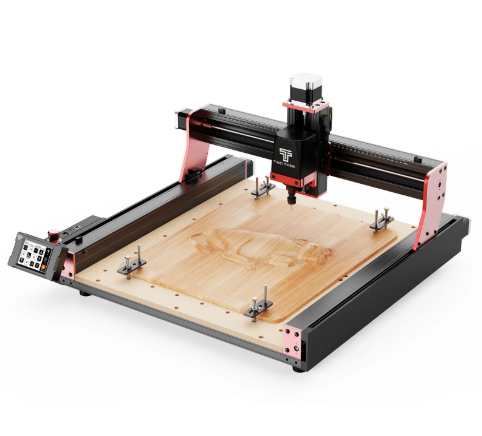
Exploring CNC routers, laser engravers, machine accessories shows just how many options exist for makers ready to upgrade their entire workshop setup.
Reasons serious makers upgrade their equipment include:
- Handling thicker or tougher materials
- Supporting higher production demands
- Reducing wear from constant daily use
- Improving overall project consistency
See also: Whole Life vs. Term Life Insurance: Which Is Right for You in Hong Kong?
What Makes a Machine Heavy-Duty?
Not all CNC machines are built the same. Heavy-duty models focus on strength, stability, and long-term durability.
Stronger Frames
These machines often use thicker materials in their frame construction. This helps reduce vibration and improves accuracy during tough cuts.
More Powerful Motors
Heavy-duty machines typically include stronger motors. This allows them to cut through dense materials without slowing down or losing precision.
Built for Constant Use
Serious makers often run their machines for long hours. Heavy-duty models are designed to handle this kind of workload without breaking down quickly.
A large CNC machine built with these features can support bigger projects and higher daily demands with more confidence.
Who Benefits Most from Heavy-Duty Machines?
These machines are not necessary for every hobbyist. They are best suited for specific types of makers and projects.
Small Business Owners
Business owners producing multiple products often need equipment that can handle daily wear and tear.
Makers Working with Large Materials
Projects involving large wood panels or thick boards benefit from stronger, more stable machines.
Advanced Hobbyists
Experienced users who have outgrown beginner equipment often move toward heavier-duty options for better results.
Building a Complete Heavy-Duty Setup
A strong machine is only part of the equation. Serious makers also need the right accessories and support tools to keep their workshop running smoothly.
Common additions to a heavy-duty setup include:
- Dust collection systems
- Replacement bits and blades
- Clamps and secure workholding tools
- Maintenance kits for long-term care
Having the right combination of tools helps maintain consistent, high-quality results.
Tips for Choosing the Right Heavy-Duty Machine
Selecting the best machine for your workshop takes some thought. These tips can help guide your decision.
- Think about the materials you use most often
- Consider your average project size
- Estimate how many hours you run your machine each week
- Review your available workshop space
- Set a realistic budget for both the machine and accessories
Answering these questions honestly will help you avoid choosing equipment that does not fit your needs.
Maintaining Heavy-Duty Equipment
Even strong machines need regular care. Good maintenance habits help protect your investment over time.
- Clean the machine after each use
- Check bolts and moving parts regularly
- Keep the workspace free of dust and debris
- Store accessories properly when not in use
- Follow the manufacturer’s care instructions closely
Consistent maintenance helps extend the life of your equipment.
FAQ
1. Do all serious makers need heavy-duty machines?
Not necessarily. It depends on project size, material type, and how often the machine is used.
2. What is the biggest advantage of heavy-duty machines?
Their strength and durability allow them to handle thicker materials and constant daily use.
3. Are heavy-duty machines harder to use than beginner models?
Not usually. Many are designed with user-friendly controls, though they may require more space and setup.
4. What accessories are most important for heavy-duty setups?
Dust collection tools, clamps, and replacement parts are commonly needed for smooth daily operation.
5. Can beginners eventually upgrade to heavy-duty machines?
Yes. Many makers start with basic equipment and move to heavy-duty models as their skills and needs grow.
Conclusion
Heavy-duty machines offer serious makers the strength and reliability needed for bigger, more demanding projects. With the right setup and accessories, these tools can support long-term growth and consistent results.
Understanding your specific needs will help you choose equipment that supports your goals, whether you are running a small business or tackling advanced personal projects.


 By
By