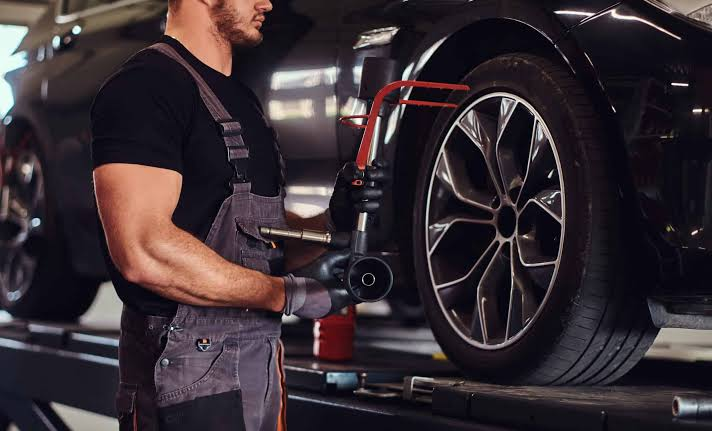

A flat or damaged tire can interrupt a San Diego commute, delay an appointment, or leave a driver stranded far from home. Having a plan for tire problems can make the situation easier to manage. Drivers who need services beyond their immediate area can also review Los Angeles auto repair options to understand the types of vehicle services available through local repair providers. For motorists searching for mobile tire repair san diego, knowing what to check before requesting assistance can help them choose a service that fits the situation.
Tire problems do not always happen at convenient times. A puncture can occur during a routine trip, while low pressure may become noticeable after a vehicle has been parked for several hours. A damaged sidewall or completely flat tire may make driving unsafe. Recognizing the difference between a minor issue and a situation that requires immediate assistance is an important part of responsible vehicle ownership.
Common Tire Problems Drivers Encounter
Tires experience constant contact with the road, so gradual wear is unavoidable. Proper inflation, regular inspections, and timely replacement can help reduce the likelihood of avoidable problems.
A puncture caused by a nail, screw, or other road debris is one of the most common reasons a driver may need tire assistance. Some punctures can be repaired, while others require replacement depending on the location and extent of the damage.
Low tire pressure can also create problems. Temperature changes, slow leaks, valve issues, or normal air loss can cause pressure to fall over time. Driving with significantly underinflated tires can affect handling and increase tire wear.
Sidewall damage deserves special attention. Unlike some tread-area punctures, sidewall damage may make a tire unsuitable for repair. A technician should inspect the tire before determining whether it can safely remain in service.
Uneven tread wear can indicate other vehicle problems, including alignment or suspension concerns. Replacing the tire without addressing the underlying cause may lead to repeated wear.
See also: Whole Life vs. Term Life Insurance: Which Is Right for You in Hong Kong?
Mobile Assistance Can Be Useful During a Tire Emergency
Explore auto repair services to review repair options and available services before an unexpected vehicle problem occurs. Having access to information about repair providers can make it easier to determine where to seek help when a tire issue develops.
Mobile tire assistance can be particularly useful when a vehicle cannot be driven safely to a repair facility. Instead of attempting to operate a car with a severely damaged or flat tire, a driver may be able to request a technician who can inspect the vehicle at its current location, depending on the service available in the area.
Before requesting assistance, drivers should provide accurate information about the situation. Useful details can include the vehicle’s make and model, tire size if known, location, type of damage, and whether the tire is completely flat.
The technician may be able to determine whether the tire can be repaired, inflated, replaced, or requires additional inspection. The appropriate solution depends on the condition of the tire and the nature of the damage.
Do Not Keep Driving on a Damaged Tire
A tire that has lost significant air should not automatically be treated as a minor inconvenience. Continuing to drive can cause additional damage to the tire and potentially affect vehicle control.
Drivers who notice a sudden loss of pressure should slow down carefully and move to a safe location when possible. A parking lot, wide shoulder, or other secure area may be preferable to stopping in an active traffic lane.
Once the vehicle is safely positioned, inspect the tire visually without putting yourself in danger. Look for obvious punctures, severe tread damage, bulges, cuts, or a tire that has completely collapsed.
Do not attempt to remove a nail or screw simply because it appears easy to reach. Removing an object can sometimes cause the tire to lose air more quickly.
If the vehicle is in an unsafe location or the tire damage appears severe, roadside assistance may be a safer choice than attempting a roadside repair.
Check Tire Pressure Regularly
Many tire problems can be identified before a driver is stranded. Checking tire pressure regularly is one of the simplest maintenance habits available to vehicle owners.
The recommended pressure is generally listed on the vehicle manufacturer’s tire information label, often found inside the driver’s door area, or in the owner’s manual. The number printed on the tire itself is not necessarily the vehicle’s recommended operating pressure.
Pressure should be checked when the tires are cold for the most consistent reading. Drivers should use a reliable tire-pressure gauge and adjust pressure according to the manufacturer’s specification.
A tire that repeatedly loses pressure should be inspected rather than repeatedly inflated. A slow leak may come from a puncture, valve problem, wheel issue, or other source that needs professional attention.
Regular pressure checks can also help identify changes that occur gradually. A noticeable difference between tires may signal a developing problem before it becomes a roadside emergency.
Tread Condition Tells Part of the Story
Tire tread provides traction between the vehicle and road surface. As tread wears down, the tire’s ability to perform in wet conditions can be affected.
Drivers should look for uneven wear, exposed cords, cracks, bulges, and other visible damage. Uneven wear can occur when tires are improperly inflated or when alignment, suspension, or other vehicle components need attention.
Tread depth should also be monitored. A tire may look acceptable from a distance while being significantly worn when inspected more closely.
A professional inspection can provide a clearer assessment when a driver is uncertain about tire condition. Technicians can examine tread, sidewalls, inflation, and other factors that may not be obvious to an untrained eye.
Replacing tires in appropriate condition and addressing related mechanical issues can help maintain predictable handling.
Tire Repair Is Not Always the Right Answer
A puncture does not automatically mean that a tire must be replaced, but it also does not mean that every damaged tire can be repaired.
Repairability depends on several factors, including where the puncture is located, the size of the damage, the condition of the tire, and whether the tire was driven while severely underinflated.
Tread-area punctures may sometimes be repairable under appropriate conditions. Sidewall damage is generally more serious because the sidewall flexes as the tire rotates and carries the vehicle’s load.
A tire that has experienced extensive internal damage may also need replacement even if the visible puncture appears small.
A qualified technician can inspect the tire and explain the available options. Drivers should avoid relying solely on a temporary plug or sealant without understanding whether the tire remains suitable for regular road use.
Keep the Spare Tire Ready
Vehicles equipped with a spare tire should have it inspected periodically. A spare that has been sitting unused for years may not be ready when needed.
Check the spare’s air pressure according to the vehicle manufacturer’s recommendations. The spare should also be inspected for visible deterioration.
Drivers should know where the spare tire, jack, and required tools are stored. Some vehicles use compact temporary spares, while others use full-size spares or tire-repair kits.
A temporary spare is not necessarily designed for extended driving. Vehicle-specific restrictions regarding speed and distance should be followed.
Drivers who are unfamiliar with changing a tire should prioritize safety. If the vehicle is stopped near active traffic, on an unstable surface, or in poor weather conditions, professional roadside assistance may be a safer option.
San Diego Conditions Can Influence Tire Wear
San Diego’s varied roads and driving patterns mean tires can experience different types of use throughout the year. Daily commuting, freeway driving, neighborhood streets, and longer regional trips can all contribute to tire wear.
Frequent driving also means small problems may become noticeable quickly. A vehicle used every day has more opportunities to develop or reveal issues than one that remains parked for long periods.
Drivers should pay attention to changes in road feel. New vibration, pulling, steering changes, or unusual tire noise can indicate a problem requiring inspection.
Wheel alignment is another consideration. Hitting potholes, curbs, or road debris can affect alignment or suspension components. Uneven tread wear may become one of the visible signs.
Regular tire inspections can help identify these concerns before they develop into more disruptive problems.
Know What Information to Provide When Requesting Help
A roadside or mobile tire technician needs enough information to understand the service request. Providing accurate details can help the technician arrive prepared.
Start with the vehicle’s exact location. If the vehicle is in a large parking lot, include a recognizable landmark or section of the lot when possible.
Then describe the tire problem. Useful information includes:
- Flat tire or gradual air loss
- Visible puncture
- Sidewall damage
- Damaged tread
- Missing or damaged valve
- Multiple affected tires
- Whether the vehicle can be moved safely
- Spare tire availability
Vehicle information is also useful. Make, model, year, and tire size can help determine what equipment or replacement options may be appropriate.
If the tire has been driven while flat, mention that information as well. Internal damage may not be visible from the outside.
Keep a Tire Maintenance Routine
Emergency tire service is useful when something goes wrong, but regular maintenance remains the better way to reduce avoidable problems.
Drivers can build tire checks into their normal vehicle routine. Check pressure regularly, inspect tread condition, rotate tires according to the manufacturer’s recommendations, and arrange an inspection when wear looks uneven.
Tire rotation intervals vary by vehicle and tire type, so the owner’s manual should be used as the primary reference. Alignment should also be checked when recommended or when symptoms such as pulling or uneven wear appear.
Seasonal or long-distance travel is another good time for a tire inspection. Checking tires before a road trip can reveal low pressure, worn tread, or visible damage before the vehicle leaves town.
Keeping tires properly maintained also supports other vehicle systems. Correct inflation and alignment can contribute to predictable handling and even wear.
Choosing Assistance Based on the Situation
A tire problem does not always require the same response. A driver with a slow leak near home may be able to arrange an appointment at a repair facility. Someone with a completely flat tire on the roadside may need immediate assistance at the vehicle’s location.
The safest option depends on the tire’s condition, the vehicle’s location, and whether it can be moved without creating additional risk.
For drivers searching for mobile tire repair san diego, comparing service information ahead of time can make the process less stressful when an actual tire emergency occurs. Knowing what information to provide and understanding the basic signs of tire damage can also help drivers communicate effectively with a technician.
Tire maintenance is a small part of vehicle ownership, but it has a direct connection to safe and predictable driving. Regular pressure checks, tread inspections, timely repairs, and appropriate replacement decisions can help San Diego motorists stay prepared for everyday travel.
For questions or assistance related to Way services, drivers can contact us today.


 By
By