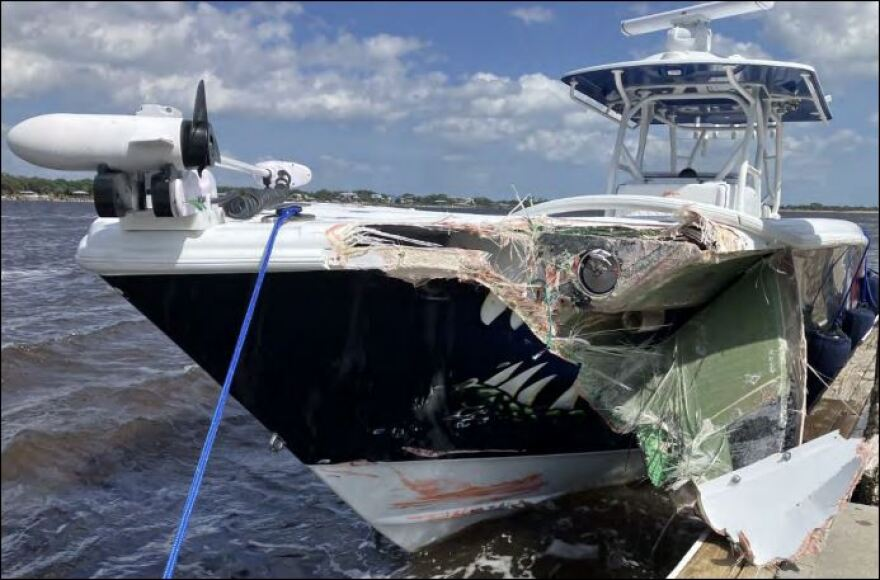

A day on the water can change abruptly when a collision, fall, equipment failure, or other boating incident causes an injury. People dealing with medical treatment, lost income, property damage, and insurance questions may search for a boating accident lawyer to understand their options. Those researching a boat accident practice area can also find information about the types of circumstances that may lead to a personal injury claim.
Boating accidents can present unusual legal and factual issues because the incident may occur away from roads, involve several vessels or passengers, and raise questions about operator conduct, equipment, weather, water conditions, or the responsibilities of a marina or other party. Preserving evidence and documenting injuries early can make a significant difference in understanding what happened.
Start With Safety and Medical Care
The moments immediately after a boating accident can be chaotic. People may be in the water, a vessel may be damaged, and other boats may continue moving nearby. The first priority should be getting everyone to a safe location and obtaining emergency assistance when necessary.
A person who has fallen into the water may have injuries that are not immediately apparent. A collision can cause head injuries, fractures, spinal injuries, lacerations, or other serious conditions. Exposure to cold water can also create additional health concerns.
Medical evaluation should not be delayed simply because an injury initially seems manageable. Some symptoms may become more noticeable after the immediate stress of the accident subsides.
Medical records can later help document the connection between the boating incident and the injuries. Keep copies of emergency records, physician notes, diagnostic imaging, prescriptions, treatment recommendations, and medical bills.
Following the recommended treatment plan is also useful. Missed appointments or unexplained gaps in treatment may raise questions about the severity or continuity of an injury.
See also: Whole Life vs. Term Life Insurance: Which Is Right for You in Hong Kong?
Preserve the Details Before They Disappear
A boating accident scene can change even faster than a roadway crash scene. Boats may be moved, debris can drift away, weather conditions can change, and witnesses may return to shore.
If it is safe to do so, photographs should be taken as soon as practical. Images may include damage to the boat, other vessels, docks, buoys, water conditions, navigation markers, safety equipment, and visible hazards.
The location of the accident should also be documented. Details about the body of water, nearby landmarks, marina facilities, channels, and other navigational features may become relevant during an investigation.
Witness information can be equally valuable. Passengers, nearby boat operators, marina employees, and other observers may have seen the events leading up to the collision.
Record names and contact information whenever possible.
Do not assume that an official report will contain every relevant detail. Personal photographs, witness accounts, videos, and other evidence can provide information that may not appear in an initial report.
The Circumstances Behind a Watercraft Collision Matter
Boating accidents can happen for many different reasons. Operator inattention, excessive speed, alcohol impairment, improper lookout, unsafe navigation, mechanical problems, or failure to follow applicable boating rules may contribute to a crash.
Some incidents involve more than one potential cause.
For example, an operator may fail to see another vessel because of poor visibility while the other vessel may also have failed to display required lighting. A collision might involve a mechanical problem that should have been identified during maintenance. A passenger could be injured because appropriate safety precautions were not followed.
Determining responsibility requires examining the facts rather than relying solely on assumptions made at the scene.
Records concerning the vessel, operator, maintenance history, weather, navigation, and communications may all become relevant depending on the accident.
After reviewing the firm’s available information, readers can explore the attorneys associated with 5280 Injury Law for additional background about the legal professionals handling personal injury matters.
Alcohol and Boating Accidents
Alcohol can complicate an accident investigation significantly.
Operating a boat while impaired can affect judgment, reaction time, balance, and the ability to respond to changing conditions. If alcohol is suspected as a contributing factor, evidence concerning the operator’s condition may become relevant to determining liability.
An injured passenger should avoid making assumptions about another person’s level of impairment. Statements from witnesses, law enforcement observations, testing, photographs, video, and other evidence may provide a more reliable picture.
An accident involving suspected intoxication can also involve serious injuries and disputed insurance claims. Prompt preservation of available evidence may therefore be particularly important.
The fact that alcohol was present on a boat does not automatically establish legal liability. The specific circumstances, evidence, and applicable law must be considered.
Boat Equipment Can Become Evidence
A damaged vessel should be treated as potential evidence rather than simply a repair project.
Photographs should be taken before repairs are made whenever possible. Repair estimates, inspection reports, invoices, and records showing the condition of the vessel before the accident should also be retained.
Safety equipment may matter as well. Life jackets, emergency equipment, navigation devices, lights, and other items can become relevant depending on how an accident occurred.
If a mechanical failure contributed to the incident, maintenance records and service history may help determine whether the problem was sudden or whether it should have been identified earlier.
A defective component may also raise questions involving a manufacturer, distributor, maintenance provider, or another third party.
Preserving the equipment in its post-accident condition can make later examination possible.
Who May Be Responsible?
Responsibility in a boating accident is not always limited to the person driving the boat.
Depending on the circumstances, potentially responsible parties could include another boat operator, a boat owner, a rental company, a manufacturer, a maintenance provider, a marina, or another party whose conduct contributed to the incident.
A rental company, for example, may have responsibilities concerning the condition of a rented vessel or information provided to renters. A maintenance provider could become relevant if negligent service contributed to a mechanical failure.
A manufacturer may become involved if a defective component caused or contributed to the accident.
Determining which parties may be legally responsible requires a fact-specific investigation.
That investigation may include photographs, witness interviews, vessel records, maintenance documents, accident reports, medical records, and other available evidence.
How Injuries Can Affect Everyday Life
A boating accident injury can interfere with far more than medical appointments.
A broken bone may prevent someone from working, driving, exercising, or caring for children. A spinal injury can create long-term mobility limitations. A traumatic brain injury can affect concentration, memory, communication, and the ability to perform familiar tasks.
Even injuries that eventually heal can create months of disruption.
A person may need help with household chores, transportation, shopping, or other ordinary activities during recovery. Those limitations should not be overlooked when documenting the effects of an accident.
Keeping a simple daily record can help preserve these details. Note significant changes in mobility, pain, sleep, work capacity, and everyday activities.
The record does not need to be lengthy. Consistent factual notes can be more useful than trying to reconstruct the experience much later.
Financial Losses Can Extend Beyond Medical Bills
Medical treatment is often the most obvious financial consequence of an injury, but it may not be the only one.
An injured person may miss work while receiving treatment or recovering. A severe injury could affect future earning capacity if the person cannot return to the same job or work at the same level.
Other accident-related expenses may include transportation to medical appointments, prescription costs, rehabilitation, medical equipment, home assistance, and other necessary services.
Property damage can create another category of loss. Repairs or replacement of a damaged boat, personal watercraft, equipment, or other property may need to be documented separately.
Keep receipts, estimates, invoices, pay records, and other documentation associated with these expenses.
A clear financial record makes it easier to identify the full economic impact of an accident.
Insurance Companies May Ask Difficult Questions
Insurance companies have a legitimate role in processing claims, but an injured person should still be careful when discussing an accident.
An adjuster may ask for a recorded statement, details about injuries, medical treatment, employment, or the circumstances of the collision.
People should avoid guessing. If a detail is unknown, it is better to say so rather than provide an uncertain answer.
Injuries can also change over time. A person may not know the full extent of a condition during the first conversation with an insurer.
Settlement offers deserve careful review as well. An early payment may seem helpful when medical expenses are accumulating, but accepting a settlement can affect the ability to seek additional compensation for the same injury.
Before accepting an offer, it can be useful to understand current treatment needs, potential future medical care, lost income, property damage, and other losses.
Understanding Negligence in a Boating Case
A personal injury claim generally requires evidence connecting another party’s conduct to the injury.
The investigation may examine whether the person responsible failed to act with reasonable care under the circumstances.
Examples could include failing to maintain a proper lookout, operating at an unsafe speed, ignoring navigation rules, operating while impaired, or failing to maintain equipment.
The specific legal requirements depend on the claim and applicable law.
Evidence is particularly important when different people provide conflicting accounts. A person’s memory of a sudden collision may differ from another witness’s recollection.
Physical evidence can help resolve those differences.
Photographs, video, vessel damage, GPS or navigation information, witness statements, official reports, and other records may all contribute to an understanding of how the incident occurred.
5280 Injury Law and Boating Injury Claims
5280 Injury Law identifies boat accidents as one of its personal injury practice areas. The firm states that it represents injured people throughout Colorado’s Front Range and handles a range of personal injury matters.
The firm’s broader practice areas include motor vehicle accidents, motorcycle accidents, pedestrian accidents, traumatic brain injuries, wrongful death, aviation law, and other accident-related claims.
For someone dealing with an injury after a boating incident, legal representation may involve investigating the accident, identifying potentially responsible parties, evaluating damages, communicating with insurance companies, and negotiating or litigating the claim when appropriate.
The firm’s website states that its attorneys focus on representing injury victims rather than insurance companies and that the firm takes on a limited number of cases to provide personalized legal service.
Readers can visit the website to review additional information about personal injury services and the types of cases handled by the firm.
What Evidence Should Be Kept?
A boating accident file can become quite large, but organizing the information early can make the process easier.
Important records may include:
- Accident or incident reports
- Photographs and videos
- Witness names and contact information
- Medical records
- Medical bills
- Prescription records
- Physical therapy documentation
- Employment and wage records
- Boat repair estimates
- Vessel maintenance records
- Insurance correspondence
- Receipts for accident-related expenses
- Damaged safety equipment
- Rental agreements, if applicable
Digital files should be backed up so important photographs and documents are not accidentally lost.
Keep original equipment and damaged property in a safe place when possible. An item that appears insignificant could later provide useful information about how an accident occurred.
Don’t Overlook Future Medical Needs
Some injuries require treatment long after the initial accident.
A person may eventually need surgery, rehabilitation, therapy, medication, specialist care, or assistive equipment. These future needs can be difficult to estimate during the first days following a boating accident.
Medical professionals can help determine the expected course of treatment. Their recommendations and medical records can provide useful information when assessing the potential long-term effects of an injury.
Settling a claim before the full extent of an injury is understood can create problems if substantial treatment becomes necessary later.
That is one reason a person should not feel pressured to resolve a serious injury claim immediately.
Legal Deadlines Should Be Taken Seriously
Personal injury claims are subject to legal deadlines, and the applicable period can vary depending on the circumstances.
The nature of the accident, identity of the responsible party, location of the incident, and type of claim may all affect which rules apply.
Certain claims may involve additional requirements or different deadlines, particularly when a governmental entity or another specially protected party is involved.
Waiting until the deadline is close can also make an investigation more difficult. Witnesses may become harder to locate, records can become more difficult to obtain, and physical evidence may no longer be available.
Anyone seriously injured in a boating accident should consider obtaining case-specific legal information as early as practical.
A Legal Consultation Can Clarify the Next Steps
A consultation can give an injured person an opportunity to explain what happened and provide available records for review.
Useful materials may include the accident report, photographs, medical records, insurance correspondence, employment documentation, repair estimates, and witness information.
An attorney may ask about the location of the accident, the people involved, the vessel’s condition, weather and water conditions, medical treatment, and financial losses.
Not every injury claim results in a lawsuit. Many disputes can be resolved through settlement negotiations. Litigation may become necessary when an insurance company disputes liability or refuses to offer appropriate compensation.
The appropriate approach depends on the evidence and circumstances of the case.
Recovery May Take More Than Physical Healing
A boating accident can affect a person’s routine long after the vessel has been repaired.
Medical appointments may continue. Work responsibilities may change. Family members may need to provide assistance. Activities that once seemed ordinary may become difficult or impossible during recovery.
Keeping records of these changes can help preserve an accurate picture of the accident’s consequences.
The process can also involve decisions about insurance, medical treatment, property damage, and potential legal action. Having organized information can make those decisions easier to address.
For someone dealing with a serious injury, legal guidance can provide a clearer understanding of potential claims and the evidence needed to support them.
Taking the Next Step After a Water Accident
A boating accident can involve many moving parts, from emergency medical treatment and damaged property to disputed liability and insurance negotiations. Taking practical steps early can help preserve important information.
Seek medical attention, document the scene when safe, preserve damaged equipment, identify witnesses, keep financial records, and avoid making unsupported statements about fault.
Serious injuries may also require consideration of future medical treatment and lost earning capacity. A claim should account for the actual effects of the accident rather than focusing only on the first bills that arrive.
People who want to learn more about the personal injury services available through 5280 Injury Law can visit the website and review the firm’s resources.
For information about discussing a boating injury or potential personal injury claim, contact us today to learn about the available options.


 By
By