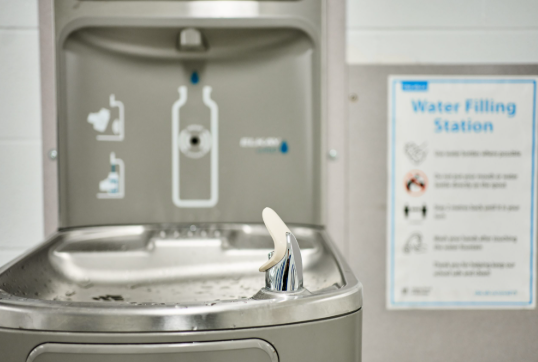

Educational institutions face specific water quality and access considerations that differ meaningfully from typical residential or office settings, making a dedicated school water machine system a genuinely important infrastructure consideration for schools prioritizing student health and hydration access throughout the school day.
Why Student Hydration Access Deserves Specific Attention
Adequate hydration genuinely affects student concentration, energy levels, and overall wellbeing throughout the school day, making convenient, reliable access to clean drinking water a genuinely important infrastructure consideration rather than a minor administrative afterthought, particularly given how many hours students spend on campus daily.
See also: Whole Life vs. Term Life Insurance: Which Is Right for You in Hong Kong?
How School-Specific Usage Patterns Affect System Requirements
Unlike residential water filtration serving a small household, school water systems need to accommodate potentially hundreds of students accessing the system throughout the day, requiring genuinely different capacity considerations, more robust construction to handle heavy daily use, and often multiple access points distributed across campus to avoid excessive congestion at limited water access locations.
Why Safety and Hygiene Features Matter Particularly for School Settings
Given that school water systems serve children who may have less developed hygiene awareness compared to adult users, safety features like appropriately designed dispensing mechanisms that minimize contamination risk, along with materials specifically selected for durability under heavy, sometimes less careful, daily student use, represent genuinely important considerations specific to this particular institutional context.
For schools evaluating options, this overview of school water machine systems covers the specific considerations and available solutions designed for educational campus environments.
Considering Environmental Impact Alongside Health Benefits
Beyond direct health benefits, providing convenient filtered water access through dedicated campus systems genuinely supports reduced single-use plastic bottle consumption among students, an environmental benefit that many schools increasingly value as part of broader sustainability education and campus practice initiatives.
Frequently Asked Questions
How many water access points does a typical school campus need? This varies considerably by student population and campus layout, making individual assessment of your specific campus’s traffic patterns and student population size important for appropriate system planning.
Do school water systems require different maintenance compared to office or residential systems? Generally yes, given the heavier daily usage volume schools typically experience, making more frequent maintenance and monitoring schedules appropriate compared to lower-usage residential or smaller office settings.
Can these systems genuinely reduce single-use plastic bottle consumption among students? Many schools report meaningful reduction in bottle consumption after installing convenient, reliable filtered water access points, supporting both health and environmental goals simultaneously.
Final Thoughts
Investing in appropriately designed water access infrastructure genuinely supports student health, hydration, and environmental education goals, making this a worthwhile infrastructure priority for schools evaluating campus facility investments.


 By
By