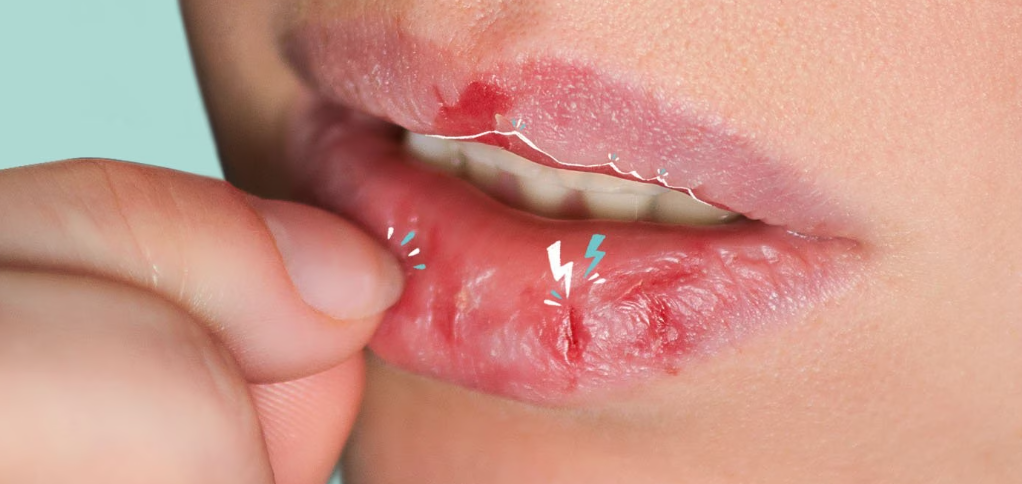

Compulsive skin picking is more than an occasional habit. For many people, it becomes a repetitive behavior that feels difficult to control, even when it causes pain, bleeding, or emotional distress. If you’ve been searching for how to stop compulsive skin picking, you’re not alone. Many individuals struggle with repeated urges to pick at pimples, scabs, dry skin, or even healthy skin.
Although breaking the cycle takes time, it is possible with greater self-awareness, healthier coping strategies, and consistent practice. Understanding the reasons behind the behavior is the first step toward lasting change.
What Is Compulsive Skin Picking?
Compulsive skin picking is a repetitive behavior characterized by the repeated urge to scratch, squeeze, or pick at the skin. Some people do it consciously, while others realize only afterward that they have been picking for several minutes.
Learning how to stop compulsive skin picking begins with recognizing that the behavior often serves a purpose. It may temporarily relieve stress, reduce boredom, or satisfy the urge to remove perceived imperfections.
Common Signs
People experiencing compulsive skin picking may:
- Pick at pimples, scabs, or rough skin
- Spend long periods examining their skin
- Feel unable to resist the urge to pick
- Experience relief immediately after picking
- Feel guilt or frustration afterward
- Develop scars or frequent skin infections
Recognizing these patterns makes it easier to understand how to stop compulsive skin picking effectively.
Why Does Compulsive Skin Picking Happen?
There is rarely one single cause. Instead, several emotional, behavioral, and environmental factors often work together.
Stress
Stress is one of the most common triggers. During difficult situations, skin picking may temporarily reduce feelings of tension.
Anxiety
Some people notice stronger urges when they feel worried, overwhelmed, or uncertain.
Boredom
Quiet moments without enough stimulation can increase repetitive behaviors.
Perfectionism
Wanting smooth or flawless skin may encourage repeated picking at even minor imperfections.
Automatic Habits
Over time, the brain begins connecting certain activities with skin picking, making the behavior feel automatic.
Understanding these triggers is essential when learning how to stop compulsive skin picking.
Recognize Your Personal Triggers
Every person’s triggers are different. Paying attention to when skin picking occurs can help interrupt the behavior.
Emotional Triggers
Notice whether urges increase during stress, sadness, frustration, or loneliness.
Environmental Triggers
Bright bathroom lighting, magnifying mirrors, or spending long periods in front of a mirror can encourage picking.
Activity-Based Triggers
Some people pick while watching television, reading, studying, or talking on the phone.
Keeping a daily record of these situations can make how to stop compulsive skin picking much more manageable.
Practical Strategies to Stop Compulsive Skin Picking
Changing a long-standing habit requires patience, but several practical techniques can reduce the frequency of skin picking.
Increase Awareness
Many episodes happen automatically. Setting reminders or checking in with yourself throughout the day can help you notice the behavior sooner.
Keep Your Hands Busy
Holding a stress ball, textured object, or fidget toy gives your hands something else to do when urges appear.
Cover Trigger Areas
Bandages or protective coverings may reduce access to areas that are frequently picked.
Limit Mirror Time
Avoid spending unnecessary time closely examining your skin. Shorter mirror sessions reduce opportunities to notice minor imperfections.
These techniques are valuable tools for anyone learning how to stop compulsive skin picking.
Replace the Habit with Healthier Behaviors
Simply trying to stop often isn’t enough. Replacing the behavior usually produces better results.
Practice Deep Breathing
Slow breathing exercises can reduce stress-related urges.
Draw or Write
Creative activities occupy both the mind and hands.
Stretch or Walk
Physical movement interrupts repetitive behaviors while reducing tension.
Moisturize the Skin
Applying fragrance-free moisturizer can reduce dryness and rough patches that may trigger picking.
Replacing the habit rather than fighting it directly often makes how to stop compulsive skin picking feel more achievable.
Create a Supportive Environment
Your surroundings can either encourage or discourage skin picking.
Remove Magnifying Mirrors
Close-up mirrors often increase the temptation to inspect every small skin imperfection.
Improve Lighting
Very bright lighting may highlight normal skin texture that doesn’t actually require attention.
Keep Nails Trimmed
Short nails reduce the amount of damage caused if picking occurs.
Use Gentle Skin Care
A simple skincare routine may reduce irritation without encouraging excessive inspection.
Small environmental adjustments can play a significant role in how to stop compulsive skin picking.
Manage Stress More Effectively
Since emotional stress commonly contributes to skin picking, healthy stress management becomes an important part of recovery.
Exercise Regularly
Physical activity improves mood while lowering stress levels.
Prioritize Sleep
Quality sleep strengthens emotional regulation and self-control.
Practice Mindfulness
Mindfulness encourages awareness of urges before they become actions.
Stay Connected
Talking with supportive family members or friends can reduce emotional isolation and provide encouragement.
Improving emotional well-being often reduces the intensity of urges associated with compulsive skin picking.
Be Patient with the Process
Many people become discouraged after occasional setbacks. However, recovery is rarely a straight line.
Instead of focusing on perfection, celebrate small victories such as:
- Picking less often
- Reducing the amount of time spent picking
- Healing previously damaged skin
- Recognizing triggers earlier
- Using healthier coping strategies
These improvements represent meaningful progress when learning how to stop compulsive skin picking.
When Professional Support May Help
If skin picking causes frequent bleeding, infections, significant scarring, or emotional distress, professional support may be beneficial. A mental health professional can help identify underlying triggers, teach behavioral strategies, and provide personalized guidance for managing repetitive behaviors.
Seeking support is not a sign of failure. Instead, it reflects a commitment to improving both physical and emotional well-being.
Preventing Future Relapses
Even after making progress, occasional urges may return. Maintaining healthy routines helps reduce the risk of falling back into old patterns.
Continue practicing stress management, limit situations that encourage skin inspection, keep replacement activities available, and remain aware of personal triggers. Over time, these habits become easier to maintain.
See also: Orlando Business Law Attorney: Legal Guidance for Growing Businesses in Central Florida
Conclusion
Learning how to stop compulsive skin picking begins with understanding the behavior rather than judging it. Stress, anxiety, boredom, perfectionism, and automatic habits can all contribute to repeated skin picking. Fortunately, greater awareness, healthier replacement behaviors, environmental adjustments, and consistent self-care can significantly reduce the urge to pick.
Breaking the cycle takes patience, but every small step matters. By identifying triggers, practicing healthier coping strategies, and seeking support when needed, individuals can successfully learn how to stop compulsive skin picking, protect their skin, and build lasting habits that support both physical and emotional health.


 By
By