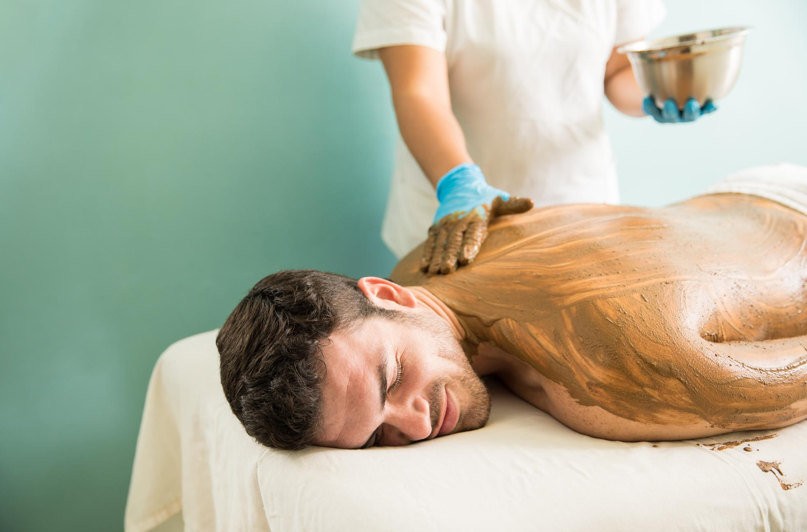

Chronic back pain, stiffness, and sciatica often stem from underlying Vata imbalances and metabolic toxin buildup that dry out spinal tissues and compress nerves. While conventional reliance on painkillers only masks symptoms temporarily, Ayurvedic care offers a non-invasive, root-cause approach to reduce inflammation, nourish deep tissues, and restore lasting mobility.
Key Takeaways:
- Ayurveda massage targets root Vata imbalances and metabolic toxins to treat back pain rather than masking symptoms.
- Uses external therapies like Kati Vasti and Abhyanga alongside herbal remedies to soothe nerve pain and nourish spinal tissue.
- Restores long-term mobility and reduces inflammation non-invasively, helping avoid dependence on surgery or long-term painkillers.
Back pain is common, but it is also treatable without surgery or long-term painkillers. Ayurveda looks at back pain differently. Not just a symptom, it checks major aspects. As per Ayurveda, back pain is a signal of imbalance, usually excess Vata dosha in the joints and muscles.
This blog will highlight how Ayurvedic treatments target the root cause, not just the case.
Ayurvedic Solutions for Back Pain Relief
In the Ayurvedic view, back pain happens due to-
- Vata imbalance dries out joint tissue
- Poor digestion creates Ama (toxins) that settle in weak areas
- Stress and bad posture aggravate Vata further
- Sedentary lifestyles slow circulation to the spine
The result of these aspects? Stiffness, inflammation, nerve compression, and chronic pain.
Here are the top Ayurvedic treatments for back pain-
1. Kati Vasti (Localised Lumbar Oil Retention)
In Kati Vasti, a warm herbal oil pool is held over the lower back using a dough ring. It deeply penetrates the spinal tissue and eases lumbar pain, sciatica, as well as disc issues. This is one of the most requested Ayurveda massage London treatments for chronic lower back pain.
2. Greeva Vasti & Prishta Vasti
This has the same principle with different zones. Greeva Vasti targets neck and cervical pain. Prishta Vasti treats the entire back/spine region. It is ideal for desk workers with upper and mid-back tension.
3. Choorna Pinda Sweda (Herbal Bolus Massage)
In this treatment, herbal medicines (powder pouches) are massaged along the spine. Choorna Pinda Sweda reduces stiffness and swelling, improves mobility, and enhances overall effectiveness. This treatment is popular for arthritic and muscular back pain.
4. Abhyanga (Full Body Oil Massage)
This is the foundation of most Ayurvedic back pain protocols. It improves blood flow, softens muscle knots, and calms aggravated Vata across the whole body.
5. Patra Pinda Sweda (Ela Kizhi)
For this ayurveda massage in London, warm herbal leaf poultices are applied rhythmically. It has anti-inflammatory action that loosens tight muscles around the spine. It is often paired with Abhyanga for faster relief.
A recent patient review in a leading Ayurveda clinic in London said-
“I had a kizhi (herbal poultice) and oil massage treatment for a pinched nerve condition in my neck and lower back. After 6 continuous sessions, my pain vanished completely. I was amazed by how targeting the root Vata imbalance relieved pressure off the nerve, where conventional painkillers only gave temporary relief.”
6. Pizhichil (Warm Oil Stream Therapy)
A continuous and rhythmic stream of warm medicated oil is used. It combines massage with oil therapy. The massage delivers deep relief for chronic and long-standing back pain. It also supports nervous system health.
It has been understood and analysed in a clinical study published in integrative medicine literature that severe chronic low back pain (Kati Shoola) can be managed by an Ayurvedic regimen including Kati Vasti and targeted herbal supplements. Oswestry Disability Index score can also be improved dramatically without the use of pharmaceutical painkillers.
Here are the available types of Ayurvedic massage in London-
| Ayurvedic Treatment | Session Duration | Recommended Course | Post-Treatment Home Care Tips (Vihara & Ahara) | Critical Contraindications |
| Kati Vasti (Localised Oil Retention) | 30 – 45 Mins per session | 7 to 14 days of continuous daily or alternate-day sessions | Keep your lower back warm, avoid cold exposure and heavy lifting for two hours post-therapy, and use a warm compress if mild soreness occurs. | Avoid therapy during the first trimester of pregnancy, acute fever or inflammation, or if you have open skin lesions, recent physical trauma, or unreduced fractures. |
| Greeva Vasti (Cervical Oil Retention) | 30 – 40 Mins per session | 7 to 10 consecutive days | Maintain cervical support and thermal balance by avoiding head-down screen use and high pillows, sipping warm ginger tea, and practicing only practitioner-approved gentle neck stretches. | Avoid this treatment if you have severe cervical instability, acute traumatic whiplash, sesame or herbal oil skin allergies, or experience sudden blood pressure spikes during the session. |
| Choorna Pinda Sweda (Herbal Powder Fomentation) | 45 – 60 Mins per session | 5 to 7 Days (Ideal for acute stiffness) | Support your recovery by drinking plenty of warm water, resting quietly for 30 minutes post-session, and avoiding raw, cold, or dry foods for 24 hours. | Choorna Pinda Sweda should be avoided during extreme exhaustion, open skin conditions like psoriasis, or severe dry Vata imbalances lacking prior oil application. |
| Patra Pinda Sweda (Fresh Leaf Poultice) | 45 – 60 Mins per session | 7 to 14 Days depending on pain chronicity | After treatment, keep your back covered with a cotton cloth, take a warm Epsom salt or neem bath, and strictly avoid cold drinks or ice baths. | This treatment should be avoided during pregnancy, acute fever, indigestion, active diarrhea, or over areas with varicose veins. |
| Abhyanga (Full-Body Oil Massage) | 45 – 60 Mins per session | 7, 14, or 21 Days (Standard Panchakarma phase) | Allow the therapeutic oil to absorb for 15 to 20 minutes before washing off with natural herbal powders and hot water, and stay hydrated with warm herbal tea throughout the day. | Abhyanga is contraindicated during the first three days of menstruation, immediately after heavy meals, or while experiencing active infections and acute indigestion. |
| Pizhichil (Warm Oil Stream Therapy) | 60 – 75 Mins per session | 7 to 14 Days for chronic degenerative cases | Following your therapy session, rest for one to two hours while eating warm, easily digestible meals and avoiding cold air, fans, or mental stress. | Avoid treatment if experiencing advanced heart conditions, uncontrolled hypertension, acute fever or inflammation, severe obesity with lipid congestion, or active malignancy. |
Table: Ayurvedic Back Pain Protocols
Herbal Medicines Used Alongside Massage
Massage alone is not the whole picture. Herbal medicines are used, as these work internally to reduce inflammation and rebuild tissue strength.
Herbal medicines that are commonly used in back pain protocols are-
- Ashwagandha: anti-inflammatory herbal medicine that strengthens muscles
- Guggulu: reduces joint and spinal inflammation
- Dashamoola: eases nerve-related pain
- Rasna: traditional remedy for Vata-type joint pain
- Medicated ghee/oils (internal use): nourish deep tissue
These are usually prescribed after an Ayurvedic consultation, based on your dosha and pain pattern.
People may wonder: Are herbal medicines safe alongside massage therapy?
The answer is: Yes, when prescribed by a qualified Ayurvedic practitioner based on your specific dosha imbalance.
See also: Hr Lawyer Toronto: Why Businesses And Employees Need Legal Guidance
Who Should Consider Ayurvedic Back Pain Treatment?
These are the people for whom Ayurvedic back pain treatment is ideal-
- People with chronic lower back or sciatica pain
- Desk-bound professionals with neck/shoulder stiffness
- Those looking to avoid long-term painkiller dependency
- Anyone wanting a root-cause approach, not just symptom relief
What to Expect at a Clinic
A proper Ayurveda massage Londonclinic will typically-
- Start with a dosha consultation
- Identify the root imbalance (usually Vata)
- Recommend a treatment plan, often combining Kati Vasti, Abhyanga, and herbal medicines.
- Suggest lifestyle and diet adjustments to prevent recurrence
To Conclude
Ayurveda treats chronic back pain by targeting root Vata imbalances and metabolic toxins rather than masking symptoms. Specialised external oil and poultice therapies like Kati Vasti and Abhyanga, paired with restorative herbal remedies, reduce inflammation, nourish spinal tissues, relieve nerve compression, and restore long-term mobility without relying on invasive surgery.
Ready To Address The Root Cause Of Your Back Pain?
Book a comprehensive consultation with London’s leading Ayurvedic clinic to evaluate your unique dosha profile. Receive a personalised, non-invasive treatment plan combining targeted therapies, herbal care, and lifestyle guidance designed to restore your spinal health and long-term mobility.


 By
By