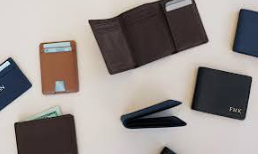

Modern lifestyles often encourage people to carry fewer items. Large bags and overfilled pockets can become inconvenient, especially when moving between work, shopping, travel, and social activities. A compact wallet offers a practical way to organize essential cards and cash without taking up unnecessary space.
Wallet design has evolved considerably, with many contemporary options focusing on simplicity, functionality, and portability. Choosing the right format depends on how much someone carries and how they normally organize their everyday essentials.
Understanding Compact Wallet Design
A small wallet is designed around the idea that everyday carry does not always require a large amount of storage.
Instead of providing numerous compartments, compact designs generally prioritize the items people use most frequently. These may include payment cards, identification, a small amount of cash, or other essential cards.
The result can be easier organization and less bulk.
Why Size Matters
A smaller wallet can be easier to place inside a handbag, crossbody bag, jacket pocket, or coat.
For people who frequently move between different bags, a compact design may also be convenient because it takes up less space. This can be especially useful when carrying a small handbag where every centimeter matters.
However, size should not be the only consideration. A wallet that is too small for someone’s everyday needs may become frustrating to use.
Think About What You Carry
Before buying a compact wallet, make a list of the items normally carried.
Some people primarily use digital payments and only need a few physical cards. Others still carry multiple payment cards, identification, membership cards, and cash.
Understanding these habits makes it easier to choose an appropriate wallet.
There is little benefit in selecting the smallest possible design if it cannot comfortably accommodate the items that matter.
Card Organization
Card storage is one of the most important aspects of a compact wallet.
Dedicated card slots can make frequently used cards easier to access. A well-organized layout also reduces the need to search through multiple compartments.
If a wallet is intended for several cards, consider how tightly they are held and how easily they can be removed.
Cash Storage
Not everyone carries cash regularly, but some people still need a place for banknotes.
Compact wallets can use different approaches, including folded cash compartments or separate sections. The preferred format depends on the currency and the user’s habits.
If cash is used frequently, make sure the wallet provides sufficient room without becoming unnecessarily bulky.
Material and Durability
The material affects both appearance and longevity.
Leather remains a popular choice for wallets because it can offer durability and a refined appearance. Over time, some leather develops changes in color and texture that give the item a distinctive character.
Other materials may offer different advantages, such as lighter weight or easier maintenance.
The important factor is to choose a material that fits the intended use.
Everyday Convenience
A wallet should make everyday routines easier rather than more complicated.
Consider how quickly cards can be accessed at a checkout counter. Think about whether the wallet fits comfortably in the preferred bag or pocket.
Small details such as the placement of card slots, opening direction, and overall shape can make a noticeable difference during repeated daily use.
Minimalism Without Sacrificing Function
Minimalist design does not necessarily mean having no storage.
A well-designed compact wallet can provide enough organization for essential items while avoiding unnecessary compartments.
This can encourage users to regularly review what they carry and remove expired cards, receipts, and items that are rarely needed.
Wallets for Different Occasions
One wallet does not necessarily need to serve every situation.
Someone may use a compact wallet for everyday errands and a larger wallet when traveling. Others may prefer one versatile design that works across different situations.
The right choice depends on personal habits rather than a universal definition of the ideal wallet.
Caring for a Leather Wallet
Leather wallets benefit from thoughtful care. Keep them away from prolonged moisture and excessive heat, and store them in a dry place when not in use.
Avoid overloading the wallet because excessive pressure can stretch card slots and distort the shape.
Regularly removing unnecessary items can help maintain its structure.
Choosing a Timeless Design
A wallet is often used for years, so a timeless design can be more practical than a style based entirely on a short-lived trend.
Neutral colors, clean shapes, and quality construction can remain useful across different seasons and fashion preferences.
This does not mean a wallet needs to be plain. Texture, stitching, hardware, and subtle design details can provide personality while maintaining versatility.
Three Common Questions
1. What should I carry in a compact wallet?
Only the items you use regularly, such as essential payment cards, identification, and a practical amount of cash.
2. Is a smaller wallet always better?
Not necessarily. The wallet should be small enough to remain convenient while still providing enough storage for your daily needs.
3. How can I prevent a compact wallet from becoming bulky?
Review its contents regularly and remove old receipts, unused cards, and unnecessary items. Avoid filling every compartment simply because space is available.
Conclusion
A compact wallet can simplify everyday carry by reducing unnecessary bulk while keeping important items organized. The best choice depends on the user’s habits, preferred materials, storage needs, and lifestyle.
Instead of choosing based only on appearance or size, consider how the wallet will be used every day. A practical design with thoughtful organization can become a reliable everyday accessory for years to come.


 By
By