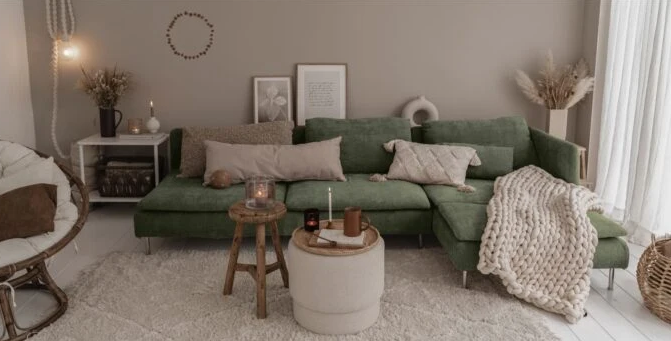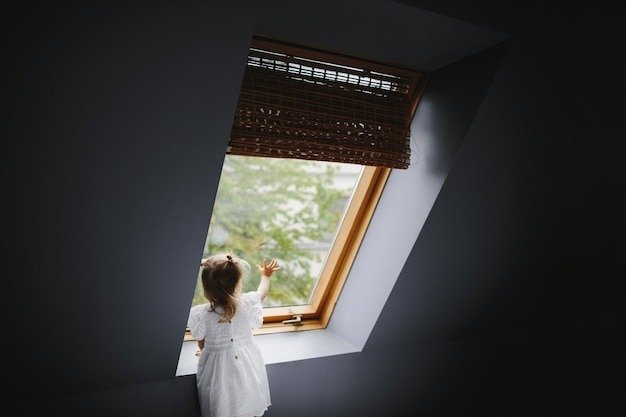

Natural light has become much more than a desirable feature in contemporary home design. It can influence how a room feels, how spaces are used, and how connected a home feels to the outdoors. As homeowners increasingly focus on comfortable, practical, and visually appealing interiors, daylight has become an important part of the design conversation. This is where fixed rooflights can offer an effective way to introduce overhead natural light while maintaining a clean architectural appearance.
Rather than treating daylight as an afterthought, modern design approaches consider it from the earliest planning stages. The result can be brighter interiors, stronger visual connections, and spaces that feel more open without relying entirely on artificial lighting.
Why Natural Light Matters in Modern Interior Design
Natural light can dramatically change the character of an interior. A room with limited windows may feel enclosed, while the same space can appear more inviting when daylight reaches it from above.
The direction, intensity, and distribution of daylight all contribute to the atmosphere of a room. Overhead glazing can be particularly useful where conventional windows are restricted by the surrounding layout or building structure.
Natural light can also help highlight architectural features, textures, colors, and furnishings. Timber, stone, decorative finishes, and plants can all appear different as daylight changes throughout the day.
Modern homeowners are also becoming more interested in creating interiors that feel connected to nature. This approach, often associated with biophilic design, places emphasis on daylight, natural materials, greenery, and views of the outdoors.
The Rise of Daylight-Focused Home Improvements
Home improvement trends are increasingly moving beyond purely decorative upgrades. There is greater interest in improvements that enhance how a property looks and how people experience it.
Daylight-focused design fits naturally into this shift. Instead of simply adding another decorative feature, homeowners can consider how natural illumination affects everyday activities.
- More inviting interiors: Well-distributed daylight can make living spaces feel brighter and more welcoming.
- Better visual balance: Overhead light can complement illumination entering through vertical windows.
- Stronger architectural character: Carefully positioned glazing can become an important part of the room’s visual identity.
- Closer connection with nature: Natural light can help create a more open relationship between indoor and outdoor environments.
These benefits explain why daylight is increasingly being considered alongside layout, materials, ventilation, and overall interior styling.
How Overhead Light Changes a Room
Light entering from above behaves differently from light entering through a traditional wall window. It can reach areas that may otherwise remain comparatively dark, particularly in the center of larger rooms.
This can make overhead glazing useful in spaces where conventional windows cannot provide enough illumination. Kitchens, extensions, hallways, stairwells, and open-plan living areas can all benefit from thoughtful daylight planning.
The effect is not simply about making a room brighter. The changing position of the sun can create subtle variations in light and shadow, giving an interior a more dynamic appearance.
A carefully designed roof opening can also draw attention toward a specific area. For example, daylight can be directed toward a dining space, seating area, reading corner, or architectural feature, helping create a natural focal point.
Combining Daylight With Contemporary Design
Modern interiors often favor clean lines, uncluttered surfaces, and carefully selected materials. Glazing can support this aesthetic when its design complements the surrounding architecture.
The goal is not necessarily to make the rooflight the most noticeable element in a room. In many interiors, the best results come when it integrates naturally with the overall design.
Simple finishes and well-proportioned glazing can help maintain a sense of openness. When combined with neutral surfaces and natural materials, daylight can further enhance the calm appearance often associated with contemporary interiors.
In more characterful homes, overhead glazing can provide an interesting contrast between traditional architectural elements and modern additions. This can create a balanced interior without making the space feel disconnected from the original property.
Making Small Spaces Feel More Open
Limited floor area does not always mean a room has to feel confined. Light can have a strong influence on perceived spaciousness, which makes daylight an important consideration for compact interiors.
A darker room can appear visually heavier because surfaces and corners are less defined. Introducing daylight from above can help distribute illumination more evenly and make the boundaries of the space easier to appreciate.
This can be particularly useful in areas such as narrow extensions, internal corridors, compact kitchens, and rooms positioned away from exterior walls.
The key is to think about where daylight is needed rather than simply adding glazing wherever space permits. A well-positioned opening can have a greater visual impact than several poorly positioned sources of light.
Designing Around Changing Daylight
One of the most interesting aspects of natural light is that it is never completely static. Its appearance changes according to the season, weather conditions, time of day, and position of the sun.
This means interior design should account for variation rather than expecting daylight to remain consistent.
Furniture placement can influence how effectively a room uses natural illumination. Reflective surfaces can help distribute light, while darker finishes may absorb more of it. Wall colors, flooring, curtains, and decorative materials can therefore all affect the final result.
It is also important to consider how direct sunlight may interact with furnishings and interior finishes. Good daylight planning involves balancing brightness with comfort rather than simply maximizing the amount of glazing.
Bringing Daylight Into Different Areas of the Home
There is no single room where overhead daylight works best. Its usefulness depends on the layout and the character of the property.
Kitchens
Kitchens often benefit from strong natural illumination because food preparation, cooking, and cleaning require good visibility. Daylight can also make work surfaces and finishes easier to appreciate.
Living Areas
In living rooms and open-plan spaces, overhead glazing can create a brighter central zone while contributing to a more relaxed atmosphere.
Extensions
Extensions can sometimes have large areas that sit farther from existing windows. Introducing daylight from above can help these spaces feel more integrated with the original home.
Hallways and Staircases
Circulation areas can easily become overlooked when planning natural lighting. Overhead glazing can bring light into spaces that may otherwise depend heavily on artificial illumination.
Home Workspaces
As flexible working arrangements remain common, comfortable home workspaces have become an important consideration. Natural light can create a more pleasant environment while also reducing the feeling of being separated from the rest of the home.
See also: Home Insurance in Dubai: Complete Guide for Homeowners and Tenants
Choosing a Design That Works With the Architecture
The best daylight solution is one that works with the building rather than against it. Roof shape, room proportions, ceiling height, surrounding structures, and the direction of sunlight can all influence the outcome.
For this reason, glazing should be considered as part of the wider architectural plan. The position and proportions need to make sense from both inside and outside the property.
Skylights Roof Lanterns focuses on solutions that can help homeowners bring more natural light into carefully planned living environments while complementing the character of the building.
Good design is ultimately about balance. Too little daylight can leave a room feeling dull, while excessive direct sunlight can create glare and visual discomfort. Thoughtful planning helps achieve a more controlled and comfortable result.
The Role of Energy-Conscious Design
Modern homeowners are also paying closer attention to how their homes use energy. Natural daylight can reduce the need for artificial lighting during suitable parts of the day, although the overall impact depends on the home’s design, occupancy, orientation, and lighting habits.
Glazing performance is equally important. Contemporary products can be designed with insulation and solar-control considerations in mind, helping designers think about daylight without ignoring indoor comfort.
This is why daylight should be considered alongside the wider building envelope. Roof construction, insulation, ventilation, glazing specification, shading, and interior finishes all contribute to how comfortable a room feels.
Creating a More Connected Interior
Another major trend in contemporary design is the desire to make homes feel less divided from their surroundings. Large windows, indoor plants, natural materials, garden views, and overhead glazing can all contribute to this idea.
Daylight is especially effective because it changes naturally. A room can feel different in the morning compared with the afternoon, while cloudy conditions can create a softer atmosphere.
This subtle variation gives interiors a sense of movement that artificial lighting alone may not replicate. It can also make everyday spaces feel more closely connected to the natural environment.
Planning Daylight Before Choosing Finishes
It can be tempting to select flooring, paint, furniture, and decorative features first and consider lighting later. However, daylight can significantly affect how those choices appear.
A material that looks warm under one lighting condition may appear cooler under another. Similarly, a wall color can seem noticeably different depending on how much natural illumination reaches it.
Planning the daylight strategy early allows interior decisions to support the architectural design. It also helps homeowners understand where brighter or softer areas may develop within the room.
This approach creates a more cohesive result because the building, lighting, materials, and furniture are considered as parts of the same environment.
Looking Ahead at Daylight-Led Design
As home design continues to prioritize wellbeing, flexibility, connection with nature, and thoughtful use of space, daylight is likely to remain an important design consideration.
The future of residential interiors is not simply about adding more technology or creating visually impressive spaces. It is also about making homes feel comfortable and responsive to everyday life.
Natural light can contribute to that goal in a simple but powerful way. When planned carefully, overhead glazing can transform an underused area, enhance a contemporary extension, or give an established room a stronger sense of openness.
Conclusion
Modern interior design is increasingly focused on how a home feels as well as how it looks. Natural daylight can play an important role in creating spaces that feel brighter, calmer, more open, and better connected to their surroundings.
From compact hallways to expansive living areas, thoughtful daylight planning can influence everything from material choices to furniture placement. The most successful approach is not about adding as much glazing as possible, but about understanding how light interacts with the architecture and the people using the space.
If you are considering ways to bring more natural light into your home, thoughtful planning can help you identify an approach that complements both the building and your lifestyle. For guidance on creating a brighter, more considered interior, contact us and explore how well-planned daylight can become an integral part of your home’s design.


 By
By