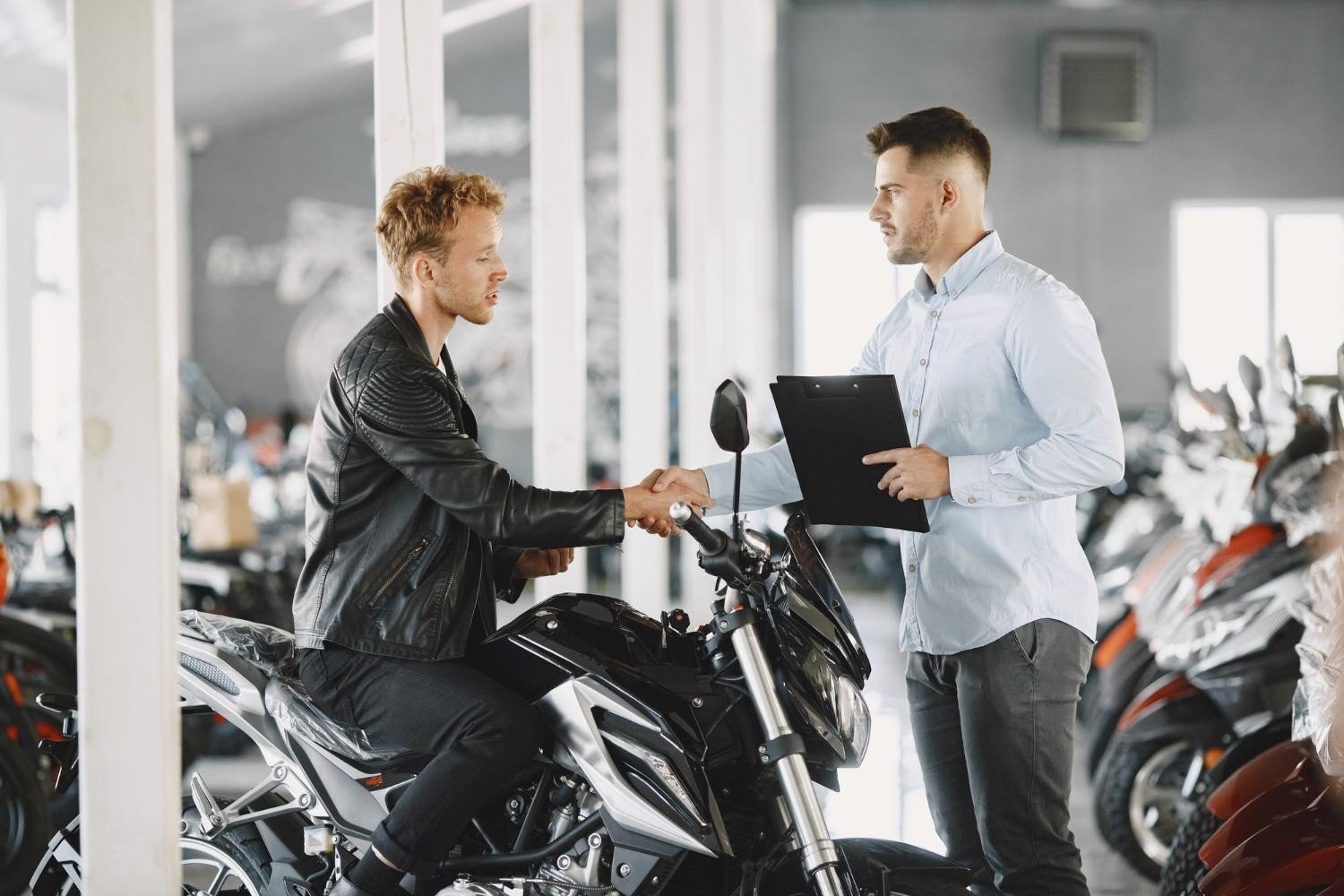

Buying ATVs in wholesale quantities can be a valuable opportunity for dealers and retailers looking to expand their inventory and serve a broader customer base. However, choosing the right wholesale ATV distributor requires more than comparing unit prices. Product quality, available models, inventory consistency, shipping, replacement parts, warranty support, and supplier communication can all affect the success of your business.
Whether you operate an established dealership, manage a recreational business, or are adding ATVs to an existing retail operation, your supplier can have a major influence on your day-to-day operations. A dependable distributor can make inventory planning easier, while an unreliable supplier can create delays, customer complaints, and unexpected costs.
Before placing a wholesale order, it is important to understand what to look for and how to evaluate a distributor based on your actual business requirements.
Understand Your ATV Business Requirements
The first step is to determine exactly what you need from a wholesale ATV distributor.
Dealers and retailers may have different purchasing requirements depending on their customers, location, available storage, sales volume, and budget. A business serving recreational riders may need a different product selection from a retailer serving customers who use ATVs for property work or outdoor activities.
Start by identifying the types of customers you expect to serve.
Consider whether your customers are likely to prioritize:
- Recreational riding
- Utility use
- Outdoor activities
- Family-oriented riding
- Performance
- Practical transportation
- Different engine sizes
- Different price ranges
Once you understand your target market, you can evaluate distributors based on whether their product range matches your customers’ expectations.
Research the Distributor’s Product Range
A wholesale ATV distributor should offer products that give your business enough flexibility without making inventory management unnecessarily complicated.
Review the available models and compare their specifications, intended uses, dimensions, engine options, seating configurations, braking systems, suspension, tires, and other important features.
Do not assume that having a large catalog automatically makes a distributor the right choice. The most useful product range is one that matches the needs of your customers.
For example, if most of your customers are looking for entry-level recreational ATVs, carrying a large selection of products designed for completely different uses may not provide much value.
Focus on models that have a clear purpose within your inventory.
Evaluate Product Quality
Product quality should be one of your main considerations when choosing an ATV distributor.
A low wholesale price may initially look attractive, but poor-quality products can result in returns, warranty claims, customer dissatisfaction, and additional service costs.
Review the construction and specifications of the ATVs you are considering. Look at important components such as:
- Frame construction
- Engine or power system
- Suspension
- Brakes
- Wheels and tires
- Controls
- Lighting
- Seating
- Overall finish
Ask the distributor for detailed product specifications and documentation.
If possible, inspect sample units before making a larger purchase. A sample can help you evaluate the actual construction instead of relying entirely on photographs or brief descriptions.
Compare Wholesale Pricing
Wholesale pricing is an important part of any purchasing decision, but it should not be considered in isolation.
When comparing distributors, calculate the total cost of getting the ATVs into your inventory.
This may include:
- Unit purchase price
- Shipping
- Freight
- Handling
- Assembly
- Preparation
- Storage
- Replacement components
A distributor with a slightly higher unit price may provide better overall value if it offers dependable quality, reliable shipping, strong parts availability, and better support.
Instead of asking only, “Which distributor has the lowest price?” consider asking, “Which distributor gives my business the best overall value?”
This approach can help you make more sustainable purchasing decisions.
Check Minimum Order Quantities
Minimum order quantities can have a significant effect on retailers and smaller dealerships.
Some distributors may require buyers to purchase a certain number of ATVs per order. Others may allow mixed-model orders or offer more flexible purchasing arrangements.
Before placing an order, ask:
- What is the minimum order quantity?
- Can different models be combined?
- Are minimum quantities applied to individual models?
- Can colors or specifications be mixed?
- Do minimum requirements change for repeat orders?
Understanding these conditions in advance can help you avoid ordering more inventory than your business can comfortably manage.
Review Inventory Availability
A distributor’s current inventory and restocking practices are important factors to consider.
Even if a particular ATV sells well, you may struggle to maintain stock if the distributor frequently runs out of popular models.
Ask about current inventory levels and typical restocking schedules.
You should also find out whether the distributor can provide information about upcoming stock. Advance information can help you plan purchasing and avoid unnecessary gaps in your inventory.
Consistent product availability is particularly important when your customers expect quick delivery.
Consider Seasonal Demand
ATV sales may change throughout the year depending on your location and customer base.
Certain seasons may bring increased interest in outdoor recreational products, while other periods may be slower.
Consider your sales history if you already sell ATVs or similar products. For a new retailer, research your local market and create realistic demand estimates.
Work with your distributor to understand typical lead times so you can place orders before demand increases.
However, avoid overstocking simply because you expect seasonal demand. Excess inventory can tie up capital and require additional storage space.
Ask About Replacement Parts
A strong wholesale relationship should extend beyond the initial ATV purchase.
Customers may eventually need replacement components for maintenance, repairs, or normal wear.
Before selecting a distributor, ask whether replacement parts are available for the models you purchase.
Find out:
- Which parts are commonly stocked
- How parts are ordered
- Typical parts delivery times
- Whether individual components can be purchased
- How unavailable parts are handled
- Whether parts support applies to older models
Reliable parts availability can make it easier for dealers to provide after-sales assistance and can reduce delays for customers.
Review Warranty Policies
Warranty support is another important factor when evaluating a wholesale ATV distributor.
Dealers are often the first point of contact when customers experience product issues, so you should understand the distributor’s warranty procedures before selling the products.
Review the warranty terms carefully and ask what is covered.
Important questions include:
- How long is the warranty period?
- Which components are covered?
- What issues are excluded?
- How are claims submitted?
- What documentation is required?
- How are replacement parts provided?
- How are replacement units handled?
- Who is responsible for shipping related to warranty claims?
Clear warranty procedures can make customer service much easier.
Evaluate Shipping and Delivery
ATVs are large products, so transportation can have a meaningful impact on your final cost.
Ask the distributor about shipping methods, freight costs, packaging, estimated delivery times, and handling procedures.
You should also find out whether the ATVs arrive fully assembled or require some assembly before being displayed or sold.
If assembly is required, determine what your team will need to do before the ATV is ready for the customer.
Reliable delivery is particularly important when you are working with limited inventory space or planning around seasonal demand.
Inspect Packaging Standards
Proper packaging helps protect ATVs during transportation.
Ask how the distributor prepares products for shipment and what measures are used to protect vulnerable components.
When receiving an order, inspect the packaging and products for visible damage.
If something is damaged or missing, follow the distributor’s reporting procedure immediately and keep appropriate records.
Good packaging can reduce the amount of time and money your business spends dealing with transportation-related problems.
Check Product Documentation
Documentation can help your business manage inventory and support customers.
Ask what information is included with each ATV. Depending on the product, this may include specifications, operating instructions, maintenance information, warranty details, and parts information.
Your sales team should have access to accurate product information so they can explain differences between models.
Keeping documentation organized can also make future service and warranty processes easier.
Consider Compliance and Local Requirements
Before purchasing ATVs for resale, make sure the products and documentation are appropriate for your intended market.
Requirements can vary depending on location and intended use. Dealers should understand any applicable rules related to product labeling, documentation, operation, transportation, or sale.
Ask the distributor what documentation and product information are supplied with each unit.
It is also useful to keep purchasing records and product documentation organized for future reference.
Evaluate Supplier Communication
Communication can make a major difference in a wholesale relationship.
A distributor should be able to provide clear information about product availability, pricing, shipping, specifications, warranty policies, and replacement parts.
Pay attention to how the distributor responds before you place your first order.
Are questions answered clearly? Is information provided promptly? Can the distributor explain policies without creating confusion?
Good communication during the initial purchasing process can indicate what you may experience when placing future orders or handling customer-related issues.
Consider After-Sales Support
Selling an ATV does not necessarily end the relationship with the customer.
Customers may need help understanding product specifications, maintenance requirements, replacement parts, or warranty procedures.
A distributor that provides useful after-sales support can make it easier for dealers to assist customers.
Ask whether the distributor provides technical information, parts assistance, warranty guidance, or other resources for dealers.
The more support available after the sale, the easier it may be to manage customer needs.
Calculate Your Retail Margin
Before purchasing wholesale ATVs, calculate the potential margin for each model.
Start with the wholesale cost and add the expenses associated with bringing the product to market.
These may include:
- Freight
- Assembly
- Storage
- Preparation
- Marketing
- Sales expenses
- Warranty administration
- Expected service costs
Then compare your estimated total cost with a realistic retail price.
Do not rely entirely on suggested retail pricing. Your local market may support a different price depending on customer demand and purchasing conditions.
Understanding your actual costs will help you choose models that make commercial sense for your business.
Plan Your Storage Space
ATVs require considerable storage space, so this should be considered before placing a large wholesale order.
Measure your available space and determine how many units can be stored comfortably.
Make sure there is enough room for staff to move products and access individual units when necessary.
You should also consider how the ATVs will be protected while waiting for sale.
Good inventory organization can reduce unnecessary handling and make it easier to identify available models.
Start With a Manageable Order
If you are working with a distributor for the first time, consider starting with a manageable order.
This allows you to evaluate the supplier without immediately committing a large portion of your purchasing budget.
During the first order, pay attention to:
- Product quality
- Shipping
- Packaging
- Delivery time
- Documentation
- Communication
- Parts availability
- Warranty support
If the distributor performs consistently, you can increase your order volume as your business grows.
Track Which Models Sell
Once you begin selling ATVs, use your sales data to guide future purchasing decisions.
Track which models receive the most inquiries and which ones actually generate sales.
You should also monitor how long products remain in inventory.
A model that receives many inquiries but takes a long time to sell may require a different pricing or marketing strategy.
Sales data can help you decide which models to reorder and which products should be purchased in smaller quantities.
Build a Long-Term Distributor Relationship
A dependable wholesale ATV distributor can become an important part of your business’s supply chain.
Once you find a distributor that consistently meets your requirements, maintain regular communication about upcoming inventory needs and customer demand.
If certain models sell particularly well, discuss availability and expected restocking with the distributor before your inventory becomes too low.
A long-term relationship can make repeat ordering more predictable and help both sides plan more effectively.
Questions to Ask a Wholesale ATV Distributor
Before placing your first order, prepare a list of questions and compare the answers carefully.
Useful questions include:
- What ATV models are currently available?
- What are the wholesale prices?
- What is the minimum order quantity?
- Can different models be mixed?
- What are the shipping costs?
- How long does delivery usually take?
- Are replacement parts available?
- What warranty coverage is provided?
- How are warranty claims handled?
- What documentation comes with each unit?
- Are products inspected before shipment?
- How often are popular models restocked?
- Can sample units be purchased?
- What support is available for dealers?
Getting clear answers before purchasing can help you avoid unexpected costs and make the supplier comparison process easier.
FAQs About Wholesale ATV Distributors
What is a wholesale ATV distributor?
A wholesale ATV distributor supplies ATVs to businesses such as dealers and retailers, generally at wholesale pricing and in quantities intended for resale or business use. Distributors may also provide product documentation, replacement parts, warranty support, and shipping services.
What should I look for in a wholesale ATV distributor?
Look for consistent product quality, competitive pricing, reliable inventory, clear warranty terms, replacement parts availability, dependable shipping, accurate documentation, and responsive communication. The distributor should also offer products that match your target customers.
Is the lowest wholesale ATV price the best option?
Not necessarily. The purchase price should be considered alongside shipping, product quality, warranty support, parts availability, and expected service costs. A supplier offering better overall value may be more beneficial than one offering the lowest unit price.
What is a minimum order quantity?
A minimum order quantity is the smallest number of units a distributor requires a customer to purchase in an order. Requirements vary between distributors, so it is important to confirm them before planning your inventory.
Should I purchase sample ATVs before a bulk order?
If samples are available, they can help you evaluate product quality, construction, packaging, specifications, and overall suitability. A smaller initial purchase can also give you an opportunity to assess the distributor’s service.
Why are replacement parts important when buying wholesale ATVs?
Replacement parts help dealers support customers after the sale. ATVs can require maintenance and replacement components over time, so dependable parts availability can reduce delays and improve after-sales service.
What should I ask about ATV warranties?
Ask about the warranty period, covered components, exclusions, claim procedures, required documentation, replacement processes, and shipping responsibilities. Make sure the warranty terms are clearly understood before placing an order.
How do I calculate the profitability of a wholesale ATV?
Calculate the total cost of acquiring and preparing the ATV for sale. Include the wholesale price, shipping, handling, storage, preparation, marketing, and expected service expenses. Compare the total cost with a realistic retail selling price.
How many ATVs should a retailer keep in stock?
The appropriate inventory level depends on sales volume, available capital, storage space, customer demand, and supplier lead times. Start with a manageable quantity and use actual sales data to determine future purchasing levels.
How important is supplier communication?
Supplier communication is extremely important. Dealers may need information about inventory, shipping, specifications, replacement parts, and warranty claims. A responsive distributor can make these processes significantly easier.
What documentation should come with a wholesale ATV?
Documentation varies by product and market but may include product specifications, operating information, maintenance details, warranty information, and parts information. Ask the distributor what documentation is supplied before ordering.
How can I choose the right ATV models for my customers?
Start by understanding your target customers and their intended use. Consider their preferred price range, experience level, expected riding environment, and desired features. Then select models that align with those requirements.
How can a dealer avoid overstocking ATVs?
Track sales by model, monitor inventory turnover, understand seasonal demand, and avoid ordering large quantities without reliable sales data. A manageable initial order can help you identify customer preferences before expanding inventory.


 By
By