
Most coverage of trail riding in Southern California is aimed at people who’ve never done it before. That’s understandable — first-timers are the majority of any outdoor activity’s customer base, and their questions are the obvious ones: Is it safe? Do I need experience? What do I wear? But experienced riders bring a different set of questions to a new region, and San Diego’s trail network has answers worth knowing for people who already understand the basics and want to know what actually makes this place worth riding.
The short answer is terrain variety within short distances. Most trail systems that are accessible to guided rides are either scenically interesting or technically varied but not both. The Poway corridor — Blue Sky Reserve and the connecting trail network northeast of San Diego — manages both within a single ride. You can move from creek-bottom oak woodland to exposed ridgeline to chaparral slope inside two hours without covering enough ground to exhaust the legs of a horse that’s being worked at a reasonable pace.
The Specific Qualities of the Poway Trail System
Riders who’ve worked trail systems in other parts of California or the Southwest tend to notice a few things about the Poway terrain. The footing is mostly decomposed granite and packed dirt, which drains well and stays consistent through the dry months — no mud, no deep sand, no unpredictable surface changes. The trail widths vary from single-track through the canyon sections to wide double-track on the ridge approaches, which means the guide can vary the formation and allow riders to move up alongside each other when the terrain opens.
The elevation changes are meaningful without being punishing. The climbs from the canyon bottoms to the ridgelines gain enough height to work a horse at a genuine pace and give riders something to manage in terms of position and balance, but they don’t require advanced technique. For riders who’ve been on flat or gently rolling terrain and want something with more topographic interest, this is the right step up. For riders coming from more technical mountain terrain who want a scenic half-day without technical demands, it’s also the right pitch.
Horse Riding San Diego: Reading the Landscape from the Saddle
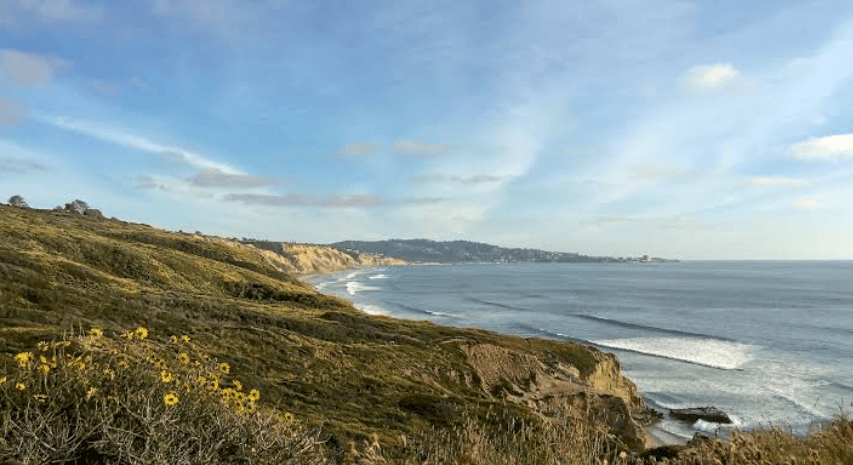
One quality of horse riding San Diego in the Poway area that experienced riders tend to appreciate is the visibility. The chaparral in this part of North County is dense enough to give the landscape texture but not so tall that it blocks sightlines from horseback. From the saddle on the upper sections of the Blue Sky trail network, you can see far enough in multiple directions to get a genuine sense of the geography — the ridge system, the canyon drainage, the distant coastal plain. That spatial awareness is one of the things that makes riding through a landscape different from hiking it, and the Poway terrain is set up for it.
San Diego Trail Company’s guides have enough depth of knowledge about the trail network that experienced riders can have a genuine conversation about route options, seasonal variations in trail condition, and which sections are most interesting at different times of day. The guides aren’t reciting a script — they know the land well enough to discuss it, which is the kind of interaction that experienced riders want and that distinguishes a good guided operation from one that’s running the same loop on autopilot.
Trail Riding Near Me: What to Ask When You Already Know What You’re Looking For
Experienced riders searching for trail riding near me in the San Diego area should ask about group composition before booking. The quality of a guided trail ride for an experienced rider is partly determined by the other riders in the group — a group where half the riders are true beginners will move at a pace and focus level that an experienced rider will find limiting. San Diego Trail Company keeps groups small and can discuss what a given ride’s likely composition looks like, which helps experienced riders book into outings where the pace will actually suit them.
The horse matching question is also worth raising directly. Experienced riders and beginners need fundamentally different horses, and a good operation matches them accordingly. At San Diego Trail Company, the matching is based on an honest assessment of each rider’s background and physical comfort level, and experienced riders are typically given horses with more energy and responsiveness than the horses used for beginners. That’s the difference between a ride that tests your skills and one that just carries you.
See also: Orlando Business Law Attorney: Legal Guidance for Growing Businesses in Central Florida
The Seasonal Angle for Serious Riders
Experienced riders who can choose when to visit tend to arrive outside the summer peak. Late October through early December is the most interesting time on the Poway trails for several reasons. The summer-dried chaparral has been refreshed by the first coastal moisture, the light is at its most dramatic in the afternoons, and the trail traffic from casual visitors has dropped off enough that the rides have a quieter, more immersive quality. Hawk migration through the ridge systems is active through October and November, which adds a layer of wildlife observation that summer rides don’t offer.
San Diego Trail Company runs rides year-round and can advise on which routes are in best condition at any given time. For experienced riders who want to plan around the optimal window for the terrain and conditions, a conversation with the operation before booking is worth the time. The guides know the trail system across seasons in a way that makes their seasonal recommendations reliable rather than promotional.


 By
By