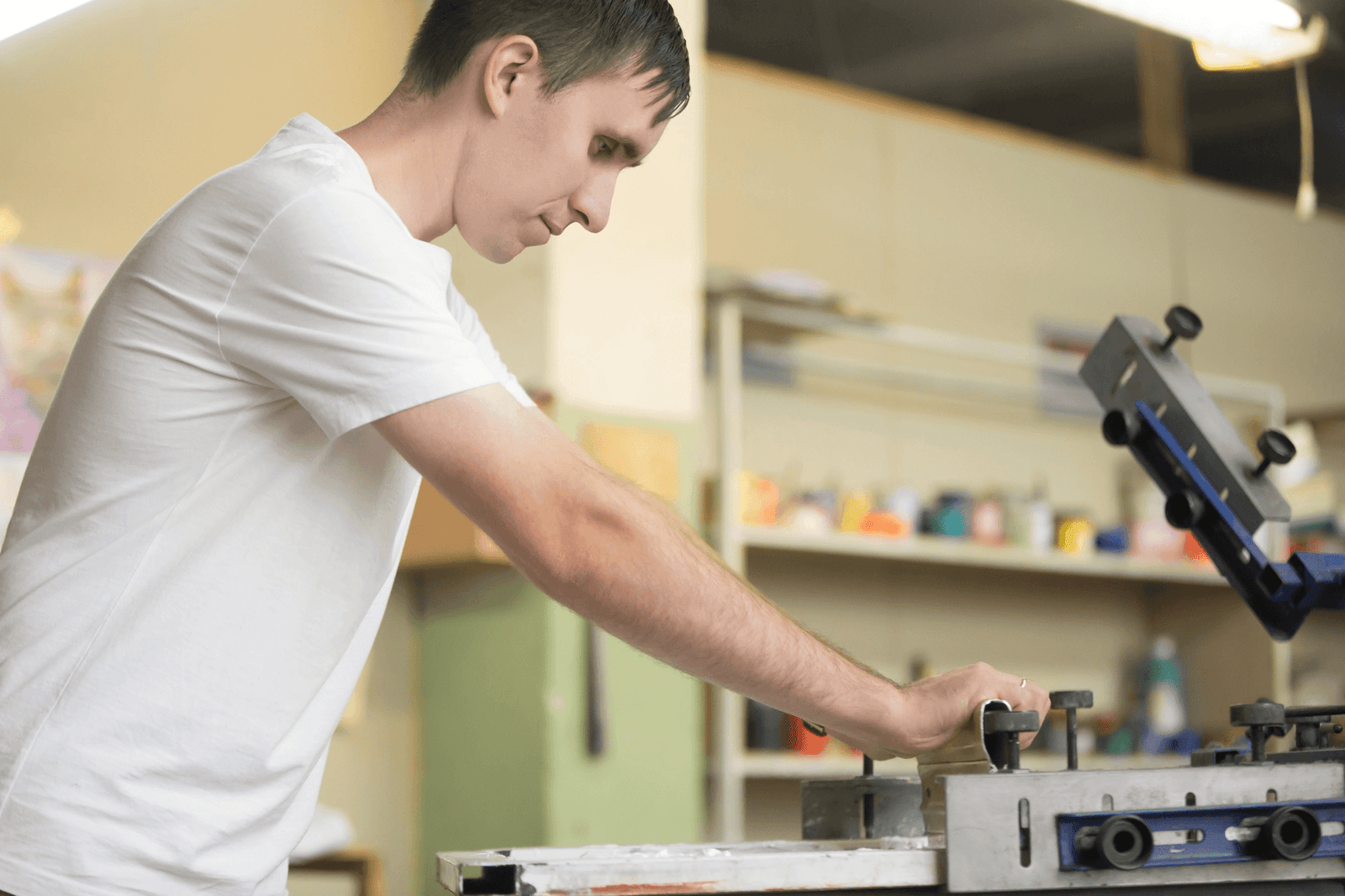

UV printing is a superior option for versatile, modern, high-quality applications, providing vibrant colors, instant curing, and adhesion to rigid materials such as metal and glass. Compared to this, traditional printing is a convenient option for high-volume, massive, and standard paper-based jobs, because of lower bulk costs.
Key Takeaway
- UV printing offers superior quality with vibrant colors, instant curing, and strong adhesion on various materials like glass, metal, and acrylic.
- Traditional printing is a cost-effective choice for high-volume requirements, offering consistency, details, and a classic finish on paper-based materials.
- The best choice depends on your purpose: UV for versatility and long-term performance, while traditional for affordability and large-scale standard printing.
Traditional and UV printing in Dubai cater to various personal and professional requirements, with the first is suitable for standard paperwork, while the latter offers durable and sustainable results on varied materials like wood and acrylic. Key providers specialize in instant-drying UV printing, allowing for versatile branding on several items like badges and mugs. Here, we explore their key aspects and differences, helping businesses and individuals determine which option is more suitable for finish, efficiency, and long-term performance.
What is Traditional Printing?
Traditional printing primarily refers to standard Digital Printing. The ink is transferred from a metal plate to the printing surface, and standard digital printing, in this regard, uses liquid inks or toners, which are absorbed into the substrate.
The Drying Process
The drying method is the most unique characteristic of traditional printing. The ink is usually water or solvent-based, and to dry this, either the ink is absorbed into the material or the solvent evaporates.
- Drying racks are essential for allowing air circulation around screen prints or fresh relief to prevent smearing.
- Oil-based inks often solidify through oxidation-polymerization over a longer period.
Pros of Using Traditional Printing
Here are the key benefits of traditional printing:
- In cases of offset printing or massive use, traditional printing is the most efficient option.
- Offers a sink-in aesthetics on porous papers, which is often preferred for a classic look by designers.
- Traditional offset printing offers 2540-4000 DPI resolution, allowing ultra-fine details and sharper text edges, compared to digital resolutions.
- It can print on a broader range of materials, including wood, metal, textured paper, and fabric. Specialized inks can also be formulated for specific materials, ensuring maximum durability and adhesion.
- Inks used by printing companies in Dubai in traditional processes, such as screen printing, are thick in nature and penetrate materials more effectively, making them wash and fade-resistant.
See also: Why Stroke Recovery Depends Heavily on How Fast the Right Brain Hospital Takes Over
Cons of Using Traditional Printing
Here are some drawbacks of using traditional printing:
- Demands a high initial cost, as it requires press setup and plates, which are expensive for small quantities.
- You cannot change once the plates are created without incurring a high cost. It is not suitable for variable data printing.
- Use of traditional printing produces substantial amounts of ink, paper, and chemical waste.
- High-volume storage risks often lead to unsold inventory.
What is UV Printing?
Ultraviolet (UV) printing is an advanced form of digital printing, with the use of ultraviolet lights to dry the ink. As the printer distributes the ink on the substrate’s surface, the specially designed UV lights cure the inks, coatings, or adhesive on metal, wood, glass, or plastic. It offers durable, high-resolution, and vibrant results, used for personalized products, custom signage, and packaging.
In the fast-paced market, UV printing in Dubai has become a gold standard practice for industrial applications and luxury branding.
The Curing Process
Unlike traditional inks, UV inks are made of liquid monomers and oligomers. They undergo a chemical reaction (polymerization) when exposed to light, which turns the liquid ink into a solid film instantly. Instead of soaking into it, the ink sits on top of the substrate.
- UV lamps – either mercury vapor or LED – specific light wavelengths (200-400 nm).
- Photoinitiators in the ink absorb the UV energy, triggering a chemical reaction, linking oligomers and monomers together.
- The liquid ink turns into a solid polymer, bonding to the surface instantaneously.
Pros of Using UV Printing
The list identifies some of the benefits of using UV printing:
- You can print on almost anything, whether it’s glass, wood, metal, plastic, or even acrylic.
- The chances of smudging or offsetting, where ink transfers to the back of the next sheet, are almost zero.
- Since the ink doesn’t soak in, it stays with a crisp design and leads to higher resolution and more vibrant colors.
Cons of Using UV Printing
- Requires high maintenance to prevent print heads from clogging, including cleaning cycles and shaking white ink cartridges.
- UV curing creates Volatile Organic Compounds (VOCs), and the ink also causes skin sensitization.
- Without UV-shielded equipment, it cannot be conducted.
- Limited flexibility, and the ink can be brittle, leading to cracks or peeling on thin or highly flexible materials.
- Compared to traditional high-speed printing methods, UV printing is slower in cases of large-scale production.
Differences Between UV Printing and Traditional Printing
Here are the key differences between UV and traditional printing.
| Feature | UV Printing | Traditional Printing (Offset/Screen) |
| Drying Time | Instant (cured by UV light) | Slow (air or heat-dried, takes hours/days) |
| Substrates | Versatile: Rigid (glass, metal, wood) & flexible | Limited: Primarily paper, cardboard, textiles |
| Durability | High: Resistant to scratches, chemicals, and fading | Moderate: Often requires lamination for protection |
| Setup/Speed | Fast: Low setup time, ideal for on-demand | Slow: Lengthy, requires plates/screens |
| Customization | Excellent: Great for small, customized runs | Low: Best for large-batch, identical runs |
| Environment | Eco-Friendly: Low VOCs, less waste | Lower: Often uses solvent-based inks |
Table: A Comparison between UV Printing and Traditional Printing
Which One Should You Choose?
Here’s our suggestions on when to choose traditional or UV printing:
When to Choose Traditional Printing
- For large print runs, such as thousands of brochures, books, or magazines, by lowering the unit price, the setup cost becomes more efficient.
- Opt for it, if you’re looking for exact, consistent color matching with Pantone Matching System (PMS) inks across a long run.
- Using Thick inks, such as in screen printing, which are exceptionally durable for apparel or outdoor materials.
When to Choose UV Printing
- You need high-end business cards, menus, or brochures or printing on non-paper materials (acrylic, metal, glass).
- Looking for the most vibrant, “pop-off-the-page” colors, while focusing on an eco-friendly production process.
- Require multi-layered, printing to create embossed or, textured, effects, including, gloss and matte, finishes.
Choose the Best Printing and Branding Company in Dubai for High-Quality Digital Printing, Signage, and Customized Solutions.
Looking for the best printing services for marketing in Dubai? Opt for the best one, reviewing online reputation and experiences. Don’t forget to check the pricing to avoid budget overrun issues.


 By
By