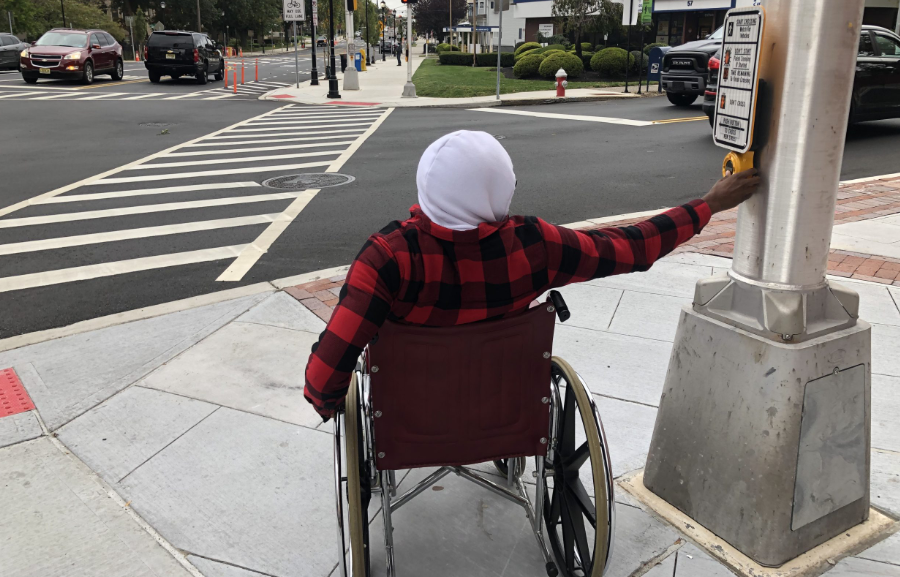

Urban streets are constantly evolving as cities search for better ways to improve safety, accessibility, and mobility for their communities. With increasing populations and higher levels of pedestrian movement, traditional transportation approaches are no longer enough to address the diverse needs of modern society. A successful urban environment must provide safe movement opportunities for everyone, including people with visual impairments and other accessibility requirements. In this changing landscape, the audible pedestrian crossing has emerged as an important solution for creating safer and more accessible streets.
Crossing a road can be a simple task for many people, but it can present significant challenges for those who cannot rely on visual signals. Without proper guidance, navigating busy intersections may become difficult and unsafe. Audible crossing systems help overcome this challenge by providing sound-based information that allows pedestrians to better understand crossing conditions.
As cities continue focusing on inclusive design and smart infrastructure, these solutions are becoming an important part of modern urban planning strategies aimed at improving mobility for all.
The Importance of Safer Urban Streets
Urban streets are shared spaces used by pedestrians, cyclists, and vehicles.
Creating a safe environment requires careful planning that considers the needs of every road user. Poorly designed intersections can increase risks and make movement difficult for vulnerable groups.
Safer street designs help reduce confusion and create better interactions between pedestrians and vehicles.
Accessible crossing systems are an important part of achieving these goals.
Understanding the Challenges of Traditional Crossing Systems
Many traditional crossing systems depend mainly on visual information.
While visual signals are effective for many pedestrians, they may not provide enough assistance for individuals with limited vision.
This creates a need for alternative communication methods that allow different users to interact safely with road infrastructure.
Audible solutions help bridge this gap by adding an additional layer of guidance.
See also: Virikson Holidays Luxury Cuba Escapes – Beaches, Culture & Style
Improving Accessibility Through Sound-Based Guidance
Sound plays an important role in helping visually impaired pedestrians understand their surroundings.
Audible crossing systems provide signals that communicate important information about crossing opportunities.
This additional guidance allows users to make more informed decisions when navigating intersections.
By improving accessibility, cities can create public spaces that are easier and safer for everyone.
Supporting Independent Travel for Visually Impaired Individuals
Independence is a major factor in personal mobility.
People should be able to access public spaces without facing unnecessary barriers.
Accessible crossing technology helps visually impaired individuals move through urban areas with greater confidence.
This supports participation in education, employment, social activities, and everyday tasks.
Creating More Inclusive Public Infrastructure
Modern infrastructure planning focuses on creating spaces that serve diverse communities.
Accessibility should be considered during the design process rather than added later.
Audible pedestrian solutions demonstrate how cities can use technology to create more inclusive environments.
When infrastructure supports different needs, public spaces become more welcoming.
Enhancing Safety at Busy Intersections
Intersections are often some of the most challenging areas for pedestrians.
Heavy traffic, background noise, and complex road layouts can make crossing difficult.
Audible systems provide additional assistance by offering clear signals that support safer decision-making.
This improves pedestrian confidence and helps create more organized movement patterns.
The Role of Technology in Modern Urban Development
Technology is changing how cities manage transportation and public infrastructure.
Smart solutions are helping authorities create systems that are more responsive and user-focused.
Audible crossing technology is part of this wider movement toward intelligent urban development.
By combining accessibility with innovation, cities can improve transportation experiences for their residents.
Supporting Smart and Connected Cities
Future cities will depend on connected infrastructure.
Transportation systems, public services, and digital technologies will increasingly work together to improve urban life.
Accessible pedestrian solutions can become part of these connected networks.
This integration allows cities to create more efficient and inclusive transportation environments.
Benefits Beyond Accessibility
Although audible crossing systems are designed primarily to support visually impaired pedestrians, their advantages can extend further.
Clearer crossing information can also assist elderly individuals, visitors unfamiliar with an area, and people who may have difficulty interpreting traditional signals.
Inclusive infrastructure often creates benefits for the wider community.
Designing for specific needs can improve experiences for everyone.
Helping Cities Achieve Better Mobility Goals
Mobility is a key part of successful urban development.
People need reliable ways to move between homes, workplaces, public services, and community spaces.
Accessible crossing systems help remove barriers and improve connections throughout cities.
Better mobility creates stronger and more active communities.
Preparing Urban Streets for the Future
Cities must prepare for changing populations and evolving transportation needs.
Future infrastructure will require flexibility, accessibility, and intelligent design.
Investing in advanced pedestrian solutions today helps create stronger foundations for tomorrow.
Technology will continue supporting safer and more inclusive urban environments.
The Future of Accessible Street Design
The future of city planning will focus increasingly on human-centered design.
Advanced technologies, improved infrastructure, and inclusive policies will work together to create better public spaces.
Audible crossing systems will continue evolving as part of this transformation.
Their role will become even more important as cities aim to provide equal mobility opportunities.
Final Thoughts
Creating safer and more accessible urban streets requires solutions that consider the needs of all community members. As cities become larger and transportation systems become more complex, inclusive infrastructure will play a vital role in improving everyday mobility. Technology is helping transform traditional street designs into environments that are safer, smarter, and more welcoming.
The growing use of the audible pedestrian crossing highlights how innovative solutions can address real-world accessibility challenges. By providing sound-based guidance, supporting independent movement, and improving pedestrian safety, these systems are helping cities build more inclusive streets for present and future generations.


 By
By