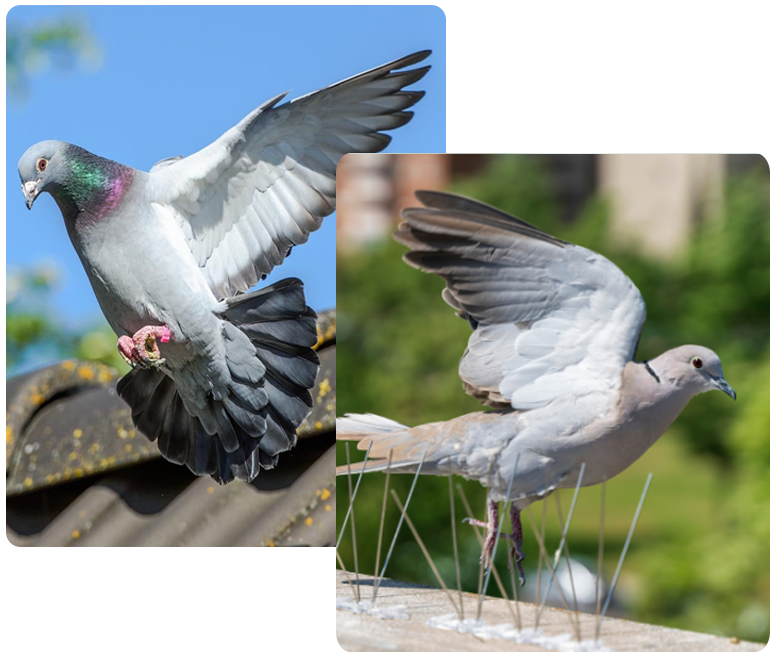

Birds can add life and movement to any outdoor space, but unwanted nesting and roosting can quickly become a property management concern. Droppings, feathers, nesting materials, and constant noise can affect roofs, balconies, vents, gutters, and other areas around a building. When these problems become persistent, professional bird pest control services can help address the underlying issue while supporting a cleaner and safer environment.
As more property owners look for practical and responsible ways to manage pests, bird control is increasingly focused on prevention rather than simply removing birds after they arrive. Understanding why birds choose certain locations and what attracts them can make it easier to protect a property without disrupting the surrounding environment.
Why Birds Are Attracted to Buildings
Modern buildings can provide many of the conditions birds naturally seek. Sheltered ledges, covered roof sections, ventilation areas, and unused spaces can offer protection from weather and predators.
Food availability is another major factor. Open garbage containers, outdoor food waste, bird feeders, and poorly managed storage areas can make a property more attractive than nearby natural spaces.
Water can also encourage repeated visits. Leaking outdoor taps, standing water, blocked gutters, and decorative water features may provide convenient drinking sources.
Common attractions include:
- Sheltered spaces: Roof cavities, balconies, ledges, and covered structures can provide suitable nesting locations.
- Accessible food: Exposed waste, food scraps, and poorly sealed containers can encourage repeated activity.
- Reliable water: Standing water around a property can make the location more appealing.
- Warm surfaces: Certain building materials can retain heat and provide comfortable resting areas.
- Low disturbance: Quiet, rarely accessed spaces may become preferred nesting or roosting locations.
Recognizing these factors is an important first step toward effective bird management.
The Hidden Problems Caused by Bird Activity
A few birds occasionally landing on a roof may not seem concerning. The situation can become more complicated when birds repeatedly return, build nests, or gather in large numbers.
Bird droppings can accumulate on roofs, walkways, vehicles, outdoor furniture, and other surfaces. Over time, this can create cleaning challenges and affect the appearance of a property.
Nesting materials can also enter drainage systems, vents, and other openings. When these areas become obstructed, they may contribute to maintenance problems.
Bird activity can create several concerns:
- Surface contamination: Accumulated droppings can make outdoor areas unpleasant and difficult to maintain.
- Blocked drainage: Nesting materials may interfere with gutters and drainage pathways.
- Noise: Repeated calling and movement can become disruptive around homes and workplaces.
- Property deterioration: Bird waste and nesting materials can contribute to wear on certain surfaces.
- Recurring maintenance: Repeated activity can require ongoing cleaning and property inspections.
The most effective response is often to identify why birds are using the property rather than focusing only on visible signs of activity.
Why Prevention Matters More Than Simple Removal
Removing birds without addressing the conditions that attracted them can leave a property vulnerable to the same problem again. If a roof still offers shelter or food remains easily accessible, birds may simply return.
Prevention focuses on making the property less attractive while protecting areas that birds may be using. This can involve a combination of physical barriers, habitat adjustments, maintenance improvements, and responsible deterrent methods.
A prevention-focused approach may include:
- Sealing access points: Gaps and openings can be secured where appropriate to reduce nesting opportunities.
- Improving waste management: Covered and properly maintained waste containers can reduce food sources.
- Maintaining drainage: Clean gutters and dry outdoor areas can remove potential water sources.
- Managing nesting areas: Regular inspections can identify vulnerable locations before activity becomes extensive.
- Using suitable deterrents: Properly selected deterrent systems can discourage birds from specific areas.
The goal is not simply to remove birds. It is to make the property less suitable for repeated nesting and roosting.
How Modern Bird Control Is Becoming More Preventive
Property owners are increasingly interested in methods that work with the structure and surroundings rather than relying on constant intervention. This has made prevention, inspection, and exclusion important parts of modern pest management.
Physical exclusion can be particularly useful around vulnerable areas. Depending on the property, appropriate screening or barriers may prevent birds from entering enclosed spaces while still allowing ventilation and normal building use.
Visual and environmental deterrents can also play a role. Their suitability depends on the species involved, the location, and the behavior being addressed.
An important part of responsible control is choosing methods based on the specific situation. A strategy that works well on an open commercial roof may not be suitable for a residential balcony or an enclosed ventilation area.
The Role of Professional Inspection
Bird problems are not always obvious from ground level. A property may appear relatively clear while birds are nesting behind roof structures, inside cavities, or around less accessible areas.
A professional inspection can help identify entry points, nesting locations, food sources, and conditions that encourage repeated activity. This creates a more complete picture of the problem before control measures are selected.
For property owners considering professional support, Jim’s Pest Control is one option to consider when assessing bird-related pest concerns and prevention needs.
A detailed inspection can also help distinguish between an isolated nuisance and a broader property management issue. This distinction matters because the appropriate response depends on the scale and location of the activity.
Keeping Your Property Less Attractive to Birds
Property maintenance can make a meaningful difference in preventing unwanted bird activity. Small changes may reduce the number of attractive resources available around a building.
Start by looking at the property from a bird’s perspective. Are there covered spaces that provide easy shelter? Is food accessible? Are there areas where water regularly collects?
Regular maintenance should focus on:
- Roof areas: Inspect for openings, damaged sections, and sheltered spaces that could support nesting.
- Gutters and drains: Keep drainage systems clear of leaves, debris, and nesting materials.
- Waste storage: Keep garbage containers covered and avoid leaving food waste exposed.
- Outdoor areas: Remove unnecessary debris that could provide nesting material.
- Building openings: Check vents, cavities, and structural gaps for signs of bird access.
- Food sources: Review outdoor feeding practices and remove unnecessary attractants.
These measures can support a broader prevention strategy and reduce the likelihood of recurring problems.
See also: How to Stop Compulsive Skin Picking: Practical Steps Toward Healthier Habits
Choosing Responsible Control Methods
Birds are part of the natural environment, so pest management should be approached carefully. The objective should be to manage unwanted activity without causing unnecessary harm.
Before using any deterrent or exclusion method, it is important to understand the location and the type of bird involved. Nesting activity may require additional consideration, particularly when birds are actively using a protected area.
Professional guidance can help property owners select appropriate measures while considering the building, surrounding environment, and bird behavior.
Responsible control also means avoiding improvised solutions that could create additional hazards. Certain materials or poorly installed barriers may damage the property, interfere with ventilation, or create risks for birds and people.
Making Bird Prevention Part of Property Maintenance
Bird control should not always be treated as a separate problem that only receives attention after significant activity appears. It can be incorporated into routine property inspections.
Roof inspections, gutter maintenance, waste management, and exterior checks can all help identify conditions that may encourage birds. Early attention can make it easier to manage vulnerable areas before they become established nesting sites.
This approach is especially useful for commercial buildings, apartment properties, warehouses, hospitality spaces, and other locations where multiple people may be affected by persistent bird activity.
Prevention also supports better property presentation. Clean entrances, unobstructed walkways, and well-maintained exterior areas contribute to a more organized and welcoming environment.
A Practical Approach to Long-Term Bird Management
There is no single solution that works for every property. The most effective strategy usually combines an understanding of bird behavior with practical property improvements.
Begin with observation. Identify where birds gather, where they enter, and what resources appear to attract them. Then consider which changes can make those areas less suitable.
From there, property owners can focus on exclusion, sanitation, maintenance, and suitable deterrents. Regular monitoring can help determine whether the approach is working and whether additional changes are needed.
This method is more sustainable than repeatedly addressing visible signs without considering the conditions behind them.
Conclusion
Bird activity around a property can become a persistent maintenance concern when shelter, food, and water are readily available. However, effective management does not have to focus solely on removing birds after they arrive. A prevention-based strategy can address the conditions that encourage nesting and repeated visits while supporting responsible pest management.
Regular property inspections, better waste practices, secure access points, clean drainage systems, and appropriate deterrents can all contribute to a less attractive environment for unwanted bird activity. When the situation is difficult to assess or manage independently, professional guidance can help identify suitable options.
Taking action early can make bird management more straightforward and protect the condition of the property. If you need professional assistance with assessing your property and choosing an appropriate approach, you can book online Appointment and take the next step toward a cleaner, better-managed space.


 By
By