
Light therapy has become an increasingly popular part of modern wellness and skincare routines. Its simple, non-invasive nature makes it appealing to people looking for convenient ways to support healthier-looking skin and overall self-care.
The term light therapy covers a range of treatments that use specific wavelengths of light for different purposes. Depending on the technology and intended use, light-based devices may be used for skincare, hair care, or other wellness applications. Understanding how these approaches work can help people make more informed choices about incorporating them into their routines.
Modern care can be surprisingly simple.
What Is Light Therapy?
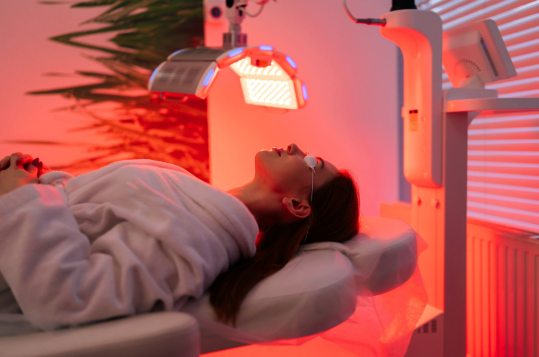
RegenaLight therapy involves exposing the body or a specific area to controlled light from a specialized device. Different wavelengths and colors of light are associated with different applications, which is why not all light therapy devices work in exactly the same way.
In skincare, LED devices are particularly popular because they can be used without needles, surgery, or extended recovery periods. At-home masks and panels have also made light-based skincare more accessible, allowing people to incorporate technology into their regular beauty routines.
The goal is targeted support.
While light therapy can be a useful addition to personal care, results and appropriate uses depend on the specific device, wavelength, treatment schedule, and individual circumstances.
See also: Whole Life vs. Term Life Insurance: Which Is Right for You in Hong Kong?
Red Light Therapy for Skincare
Red light is one of the most widely recognized forms of light used in modern skincare devices. It is commonly incorporated into routines focused on maintaining a smoother, healthier, and more youthful-looking complexion.
Many red light devices are designed to deliver light to the skin without causing the type of thermal damage associated with certain traditional treatments. Users often choose red light masks and panels as a convenient addition to their existing skincare routines.
A consistent routine matters.
Red light therapy should generally be viewed as a complementary skincare practice rather than a replacement for fundamental habits such as moisturizing, cleansing, and protecting the skin from ultraviolet exposure.
Blue Light and Skincare Applications
Blue light is another wavelength commonly found in LED skincare devices. It is frequently associated with routines designed for people concerned about blemish-prone skin and overall complexion management.
Some devices combine blue light with other wavelengths to provide a broader skincare experience. This makes multi-light LED masks particularly popular among consumers who want a versatile at-home device.
However, different devices have different specifications, and users should follow the manufacturer’s instructions carefully. People with persistent or severe skin concerns should also consider consulting a qualified dermatologist rather than relying exclusively on an at-home device.
Light Therapy for Hair Care
Light-based technology is also used in devices designed to support hair and scalp care. Certain red and near-infrared light devices are marketed for hair-growth-related applications and are commonly designed to deliver light to the scalp.
These products have become increasingly popular because they offer a non-invasive approach that can be incorporated into a regular hair-care routine. Devices may include caps, helmets, combs, or other designs intended to make treatment more convenient.
Technology can complement a broader hair-care strategy.
Anyone experiencing significant or sudden hair loss should consider professional evaluation to identify the underlying cause before relying on a light-based device.
Benefits of At-Home Light Therapy Devices
One of the main advantages of at-home light therapy is convenience. Instead of regularly traveling to a clinic or treatment center, users can incorporate certain devices into their personal routines.
LED masks, handheld devices, and light panels are available in different designs to accommodate different preferences. Some are designed for short sessions, while others may require longer or more structured treatment schedules.
Potential advantages of at-home devices include:
- Convenient use at home.
- Non-invasive treatment experience.
- Easy integration into personal routines.
- Availability of different light settings.
- Reduced dependence on frequent appointments for certain applications.
Convenience encourages consistency.
However, consumers should focus on device quality and appropriate use rather than assuming that every light therapy product provides identical results.
Choosing the Right Light Therapy Device
With so many products available, choosing a light therapy device requires careful consideration. The device should be selected according to the user’s specific goal rather than simply its appearance or marketing claims.
Important factors include the wavelengths used, treatment instructions, device design, comfort, safety features, and manufacturer’s reputation. For skincare devices, consumers should also consider whether the product has appropriate regulatory clearances or authorizations for its specific claims and intended use.
Reading the instructions before purchasing can prevent unrealistic expectations and help users choose technology that fits their needs.
Making Light Therapy Part of a Skincare Routine
Light therapy can be incorporated into a broader skincare routine rather than treated as a standalone solution. A simple routine may include gentle cleansing, appropriate moisturizing, daily sun protection, and carefully selected skincare products.
When using an LED device, following the manufacturer’s recommended schedule is important. More frequent or longer sessions are not necessarily better, and excessive use may increase the possibility of irritation depending on the device and individual sensitivity.
Skincare works best as a complete system.
People with sensitive skin or existing skin conditions should consider professional guidance before introducing new light-based treatments.
Safety and Responsible Use
Although light therapy is generally considered non-invasive, responsible use remains important. Not every device is appropriate for every person, and some individuals may have increased sensitivity to light or take medications that cause photosensitivity.
Protective eyewear may be recommended for certain devices, while others are specifically designed to be used without it. Users should always follow the manufacturer’s safety instructions rather than assuming that all LED products operate in the same way.
If irritation, discomfort, or an unexpected reaction occurs, discontinue use and seek appropriate professional advice.
The Growing Future of Light-Based Technology
The popularity of light therapy reflects a broader movement toward convenient, technology-driven personal care. Consumers increasingly want products that can be incorporated into their routines without complicated procedures or significant disruption to their schedules.
As LED and other light-based technologies continue to develop, devices are becoming more specialized and accessible. This may provide consumers with more options for personalized skincare and wellness routines.
Innovation continues to shape modern self-care.
However, informed purchasing remains essential as new products and marketing claims enter the market.
Conclusion
Light therapy offers a modern and convenient approach to skincare, hair care, and personal wellness. From red light and blue light LED devices to specialized hair-care technology, different forms of light therapy provide consumers with a variety of options for supporting their personal-care goals.


 By
By