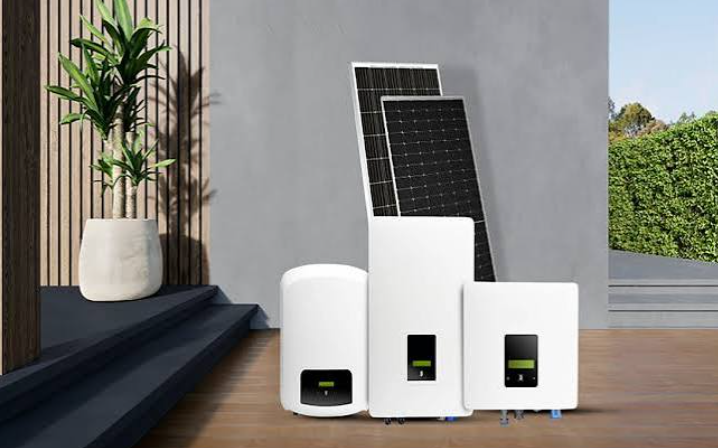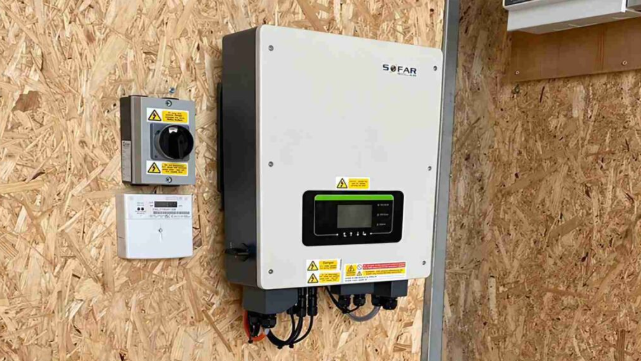

Photovoltaic (PV) inverters rely on power semiconductor components — primarily diodes, IGBTs, and transistors — to convert the direct current (DC) generated by solar panels into usable alternating current (AC) for the electrical grid or on-site equipment. The performance, efficiency, and reliability of these underlying components directly determine how well a solar inverter converts and delivers power over its operational lifespan.
This guide breaks down the core semiconductor components used in PV inverters, what role each plays, and why component selection matters for solar system performance.
Why Semiconductor Components Are Central to Inverter Function
A solar inverter’s core job is deceptively simple to describe but technically demanding to execute: take variable DC power generated by solar panels and convert it into stable, grid-compatible AC power. This conversion process depends entirely on power semiconductor components that switch, regulate, and manage current flow with precision and efficiency.
Because inverters operate continuously during daylight hours and often for years without interruption, the semiconductor components inside them need to maintain consistent performance under repeated switching cycles and variable environmental conditions — making component reliability just as important as raw performance specifications.
See also: Whole Life vs. Term Life Insurance: Which Is Right for You in Hong Kong?
Core Semiconductor Components in PV Inverters
Diodes
Diodes serve several critical functions within PV inverter systems, including current control and protection against reverse current flow, which can occur under certain fault or shading conditions within a solar array. Reliable diode performance helps protect the broader system from damage while supporting efficient power conversion.
IGBTs
IGBTs typically handle the core switching function within an inverter, converting DC input into AC output through rapid, precise switching cycles. Their combination of fast switching speed and high current handling capacity makes them well-suited to the continuous, high-power switching demands of inverter operation.
Transistors
Beyond the primary switching handled by IGBTs, transistors often support additional control and regulation functions within inverter circuitry, helping manage power flow and system responsiveness under varying load and generation conditions.
How These Components Work Together
A detailed breakdown of PV inverter semiconductor components explains how these parts function together within the broader inverter system — from initial DC input handling through the switching process that produces stable AC output. Understanding this full conversion pathway helps clarify why inverter performance depends on more than any single component: it’s the coordinated function of diodes, IGBTs, and supporting transistors that ultimately determines conversion efficiency and system reliability.
Why Component Quality Affects Solar System Performance
Solar inverters represent a significant investment within any PV system, and their performance directly affects overall energy yield. Semiconductor components that underperform — whether through inconsistent manufacturing, inadequate thermal tolerance, or insufficient switching efficiency — can measurably reduce conversion efficiency, shortening the effective return on a solar investment over the system’s operational life.
This is particularly relevant for larger commercial or utility-scale installations, where even small efficiency losses at the component level compound significantly across the total system output over years of operation.
Protecting the System: The Role of Diodes in Fault Conditions
Beyond basic power conversion, diodes play an important protective role within PV systems, particularly in preventing reverse current flow that can occur during partial shading or fault conditions within a solar array. For buyers and engineers evaluating specific component options, reviewing available Goodark diode products provides insight into diode specifications and application-specific configurations relevant to solar power protection circuits, helping match component selection to the specific protective requirements of a given inverter design.
What to Consider When Evaluating Inverter Components
Thermal performance. Inverters often operate in outdoor or semi-outdoor environments with significant temperature variation, making thermal tolerance a critical specification for long-term reliability.
Switching efficiency. Since IGBTs handle continuous switching cycles throughout daylight operation, efficiency at this stage has an outsized impact on overall system performance.
Protective specifications for diodes. Given their role in fault protection, diode selection should account for the specific reverse current and fault conditions relevant to the target solar array configuration.
Certification and quality standards. Given the long operational lifespan expected of solar installations, component certifications and documented quality standards matter significantly for long-term reliability assurance.
Final Thoughts
Photovoltaic inverters depend on a coordinated set of semiconductor components — diodes, IGBTs, and transistors — to convert solar-generated DC power into usable AC output efficiently and reliably. Understanding the specific role each component plays, along with the thermal and switching performance factors that affect long-term reliability, helps engineers and system designers make more informed component selection decisions for solar inverter projects.
FAQs
What semiconductor components are used in PV inverters? PV inverters primarily rely on diodes, IGBTs, and transistors, which together manage current control, high-efficiency switching, and power regulation during the DC-to-AC conversion process.
Why do diodes matter in solar inverter systems? Diodes help protect the system by preventing reverse current flow during fault or shading conditions, supporting overall system reliability alongside their role in power conversion.
What role do IGBTs play in inverter performance? IGBTs handle the core switching function that converts DC input into AC output, making their switching efficiency a major factor in overall inverter performance.
How does component quality affect solar system output? Underperforming semiconductor components can reduce conversion efficiency, which lowers overall energy yield and affects the long-term return on a solar investment, particularly in larger installations.
What should engineers prioritize when selecting inverter components? Key priorities include thermal performance, switching efficiency, protective specifications for diodes, and documented quality certifications, given the long operational lifespan expected of solar installations.


 By
By