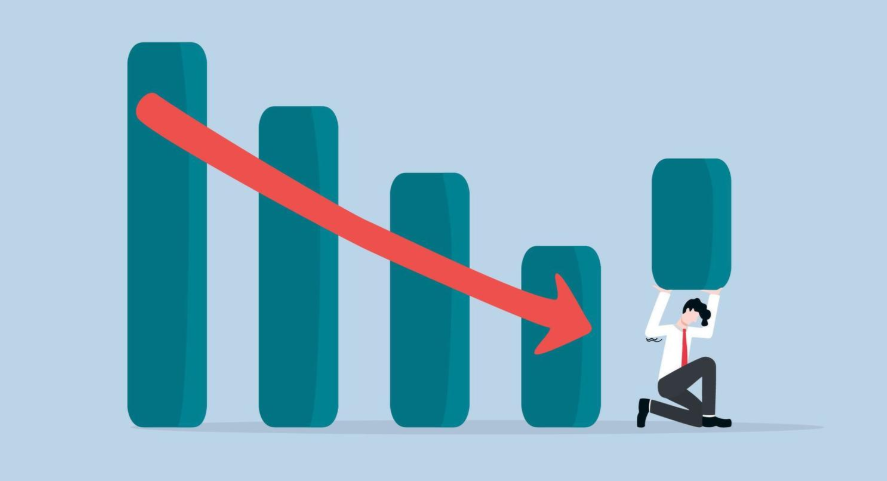

Economic downturns are an unavoidable part of the business cycle. Markets expand during periods of growth and contract during periods of uncertainty. Inflation, geopolitical tensions, supply chain disruptions, and shifts in consumer behavior can all contribute to economic slowdowns. While many businesses struggle or fail during these periods, others not only survive but emerge stronger and more competitive.
The difference between these outcomes is rarely luck. It is preparation, structure, adaptability, and financial discipline. Businesses that survive downturns are built on strong foundations that allow them to absorb shocks, adjust quickly, and continue operating even when conditions are unfavorable.
One often overlooked but important aspect of business resilience is administrative flexibility. Even operational decisions such as the ability to change the company secretary when needed can play a role in maintaining compliance, improving governance, and ensuring that the organization adapts efficiently to changing regulatory or structural requirements. Strong governance systems help businesses remain stable during uncertainty and support long term survival.
This article explores how to build a business that can withstand economic downturns and continue growing over time.
Understanding Economic Downturns
An economic downturn refers to a period of reduced economic activity. It is typically characterized by lower consumer spending, reduced business investment, rising unemployment, and tighter credit conditions.
During downturns, businesses often experience declining sales, cash flow pressure, and increased uncertainty. However, not all industries are affected equally. Some sectors may remain stable or even grow, depending on demand patterns.
Understanding how downturns work is essential for preparing a resilient business model. Companies that anticipate cycles instead of reacting to them are better positioned to survive.
Structural flexibility, including the ability to change the company secretary when governance adjustments are required, ensures that businesses can respond quickly to regulatory or operational challenges during uncertain times.
Building a Strong Financial Foundation
A strong financial foundation is the most critical factor in surviving economic downturns. Businesses must maintain healthy cash reserves, manage debt responsibly, and ensure consistent cash flow.
Cash flow is especially important because many businesses fail not due to lack of profit but due to lack of liquidity.
Companies should regularly monitor expenses and identify areas where costs can be reduced without affecting core operations.
Financial discipline allows businesses to withstand revenue drops and continue operating during difficult periods.
Strong governance structures, including the flexibility to change the company secretary when needed for better compliance oversight, support financial stability by ensuring accurate reporting and regulatory alignment.
See also: Expert Guide to Selling Your Trade Business
Diversifying Revenue Streams
Businesses that rely on a single source of income are more vulnerable during downturns. Diversification reduces risk by spreading income across multiple products, services, or markets.
Diversified businesses are more stable because if one revenue stream declines, others can compensate.
This may include expanding product lines, entering new markets, or offering complementary services.
Diversification also improves long term sustainability and reduces dependence on any single economic condition.
Administrative adaptability, such as the ability to change the company secretary to better align with evolving business needs, supports diversification by ensuring that governance keeps pace with expansion.
Strengthening Customer Relationships
During economic downturns, customers become more selective about spending. Businesses that maintain strong relationships with their customers are more likely to retain them.
Customer loyalty becomes a key survival factor. Businesses must focus on delivering consistent value and maintaining trust.
Clear communication, excellent service, and responsiveness help strengthen these relationships.
Companies that prioritize customer retention often outperform competitors during downturns.
Stable governance structures, supported by effective administrative decisions like the ability to change the company secretary when required, help maintain consistent customer trust by ensuring operational reliability.
Improving Operational Efficiency
Operational efficiency is essential for surviving economic challenges. Businesses must optimize processes, reduce waste, and improve productivity.
Automation, digital tools, and streamlined workflows can significantly reduce operational costs.
Efficient operations allow businesses to maintain profitability even when revenues decline.
Organizations that continuously improve efficiency are more resilient to external shocks.
Strong internal governance, including the flexibility to change the company secretary when necessary, ensures that operational oversight remains effective and aligned with current business needs.
Maintaining Strong Cash Flow Management
Cash flow management becomes even more important during downturns. Businesses must ensure that money is coming in consistently and that expenses are controlled.
Delayed payments, poor invoicing systems, or inefficient financial processes can quickly create liquidity problems.
Businesses should implement strict credit control and maintain emergency reserves.
Cash flow forecasting helps anticipate potential shortages and allows proactive decision making.
Governance adjustments, such as changing the company secretary when improved financial oversight is needed, contribute to better financial management and transparency.
Reducing Unnecessary Expenses
Cost control is a survival strategy during economic downturns. Businesses must distinguish between essential and non essential expenses.
Reducing unnecessary spending helps preserve cash reserves and maintain operational stability.
However, cost cutting should be strategic rather than reactive. Cutting critical investments can harm long term growth.
A balanced approach ensures that the business remains lean without compromising future potential.
Efficient administrative structures, including the ability to change the company secretary for improved compliance efficiency, support better cost oversight and financial discipline.
Strengthening Leadership and Decision Making
Strong leadership is essential during times of uncertainty. Leaders must make difficult decisions quickly and effectively.
Clear communication, strategic thinking, and adaptability are key leadership traits during downturns.
Leadership must also ensure alignment across the organization and maintain employee morale.
Businesses with strong leadership are more likely to survive and recover from economic challenges.
Governance flexibility, including the ability to change the company secretary when organizational needs shift, supports better decision making by ensuring that leadership is backed by efficient administrative support.
Investing in Technology and Automation
Technology plays a crucial role in business resilience. Automation reduces costs, improves efficiency, and enhances decision making.
Digital tools can streamline operations, improve customer engagement, and support remote work models.
Businesses that invest in technology are better equipped to adapt to changing conditions.
Technology also enables better data analysis, which supports smarter financial and operational decisions.
Even administrative systems benefit from modernization, where processes such as changing the company secretary can be managed more efficiently through digital governance platforms.
Building a Flexible Business Model
Flexibility is a key survival trait during downturns. Businesses must be able to adapt their models based on changing market conditions.
This may include adjusting pricing strategies, modifying product offerings, or shifting target markets.
Rigid business models are more likely to fail during economic uncertainty.
Flexible organizations can pivot quickly and take advantage of new opportunities.
Administrative adaptability, including the ability to change the company secretary when structural changes are needed, supports this flexibility by ensuring governance evolves with the business.
Strengthening Risk Management Practices
Risk management is essential for business survival. Companies must identify potential risks and develop strategies to mitigate them.
Risks may include financial instability, supply chain disruptions, regulatory changes, or market volatility.
A proactive risk management strategy helps businesses respond quickly to challenges.
Diversification, insurance, and contingency planning are all part of effective risk management.
Governance processes, including the ability to change the company secretary to improve compliance oversight, strengthen risk management frameworks.
Focusing on Core Competencies
During downturns, businesses should focus on what they do best. Core competencies are the strengths that give a business its competitive advantage.
By concentrating on core activities, businesses can improve efficiency and maintain quality.
Non essential activities can be reduced or temporarily suspended to preserve resources.
Focusing on strengths helps maintain profitability and stability.
Strong governance ensures that strategic focus is maintained, and the ability to change the company secretary when necessary supports alignment with core business priorities.
Enhancing Employee Productivity and Morale
Employees play a critical role in business survival. During downturns, maintaining morale and productivity is essential.
Clear communication, fair treatment, and supportive leadership help maintain employee engagement.
Training and skill development also improve productivity.
A motivated workforce is more likely to contribute to business resilience.
Efficient administrative systems, including the option to change the company secretary for better organizational support, help ensure smooth internal operations.
Preparing for Recovery and Growth
Economic downturns are temporary. Businesses that survive must also prepare for recovery and future growth.
This involves identifying opportunities that will emerge when the economy improves.
Businesses should continue investing strategically even during downturns to position themselves for future expansion.
Those that plan ahead often recover faster and grow stronger than competitors.
Strong governance, including the ability to change the company secretary when strategic shifts are needed, ensures that businesses are ready for post downturn opportunities.
Conclusion
Building a business that survives economic downturns requires discipline, adaptability, and strong foundational systems. Financial stability, operational efficiency, customer loyalty, and risk management all play essential roles in ensuring resilience.
Businesses must also maintain strong governance and administrative flexibility. Even structural decisions such as the ability to change the company secretary when required can contribute to better compliance, improved oversight, and stronger organizational stability.
Ultimately, survival during economic downturns is not about avoiding challenges but about being prepared for them. Businesses that plan strategically, remain flexible, and continuously strengthen their systems are far more likely to endure uncertainty and emerge stronger in the long run.
FAQs
What is an economic downturn
An economic downturn is a period of reduced economic activity characterized by lower spending, reduced investment, and slower growth.
Why do some businesses survive downturns while others fail
Businesses that survive usually have strong financial management, diversified income, and efficient operations.
How does cash flow help during a downturn
Cash flow ensures that a business can cover expenses even when revenue declines.
Why is diversification important
Diversification reduces risk by spreading income across multiple sources.
What role does leadership play in downturn survival
Strong leadership ensures quick decision making and organizational stability.
How does technology help businesses survive downturns
Technology improves efficiency, reduces costs, and enhances adaptability.
What does it mean to change the company secretary in business
It refers to updating or replacing the company secretary to improve governance, compliance, or administrative efficiency.
How can businesses prepare for recovery after a downturn
Businesses can prepare by maintaining strategic investments and identifying future growth opportunities.


 By
By