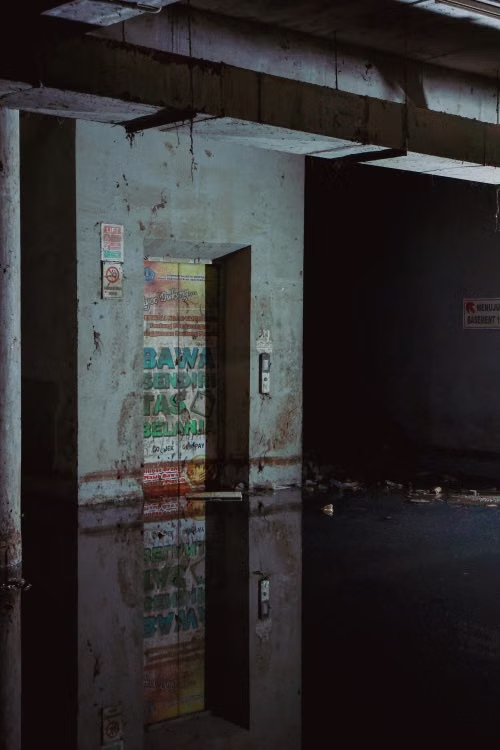

When a sudden flood strikes your property, the first thing that comes to mind is how to handle the water before it can cause further damage. Being aware of the correct actions can make a big difference in such cases. Emergency water removal is not only about pumping out water. It is about doing what you can to rescue your home or business quickly, safely, and methodically to prevent permanent harm. A couple of minutes can make the difference between saving your walls, flooring, and belongings with minimal damage.
First, you may contact a professional service like Restoration Logistics in Lafayette if you are not sure where to start. While you wait for trained professionals to arrive, there are important steps property owners can take themselves. Knowing what to do can save time and money and, in other instances, prevent structural damage that may take weeks to fix.
Shutting Off Electricity and Gas
Always be safe before going into any flooded area. Water and electricity together can be deadly. Switch off the main electrical supply to avoid accidents. Evacuate the premises and call the police if you smell gas or notice a leak. This may sound like a no-brainer, yet panic may cause people to forget. Remaining calm and putting safety first will help you to concentrate on the subsequent steps.
See also: Whole Life vs. Term Life Insurance: Which Is Right for You in Hong Kong?
Removing Valuables and Sensitive Items
When safe, seek to move electronics, valuable documents, and other valuables to a dry place. Items such as laptops, photographs, and family treasures can be damaged by water and mold. Keeping them above the waterline reduces the chances of irreparable harm. These products may be kept in waterproof containers or plastic bins until the water is removed.
Starting Basic Water Removal
You can start with simple water removal even before professional assistance is provided. Clean shallow water with a mop and empty buckets with excess water. Do not use appliances such as vacuum cleaners unless they are water-specific. If possible, open doors and windows to promote ventilation. This can help avoid the build-up of humidity and slow down secondary damage like peeling paint and lifting wallpaper. Here, the hygroscopic knowledge of materials comes in. Other substances like carpets and drywall absorb water quickly and should be addressed first to prevent deep saturation.
Preventing Mold and Mildew
Mold can easily occur in standing water. Even minor spots may turn into severe issues when neglected. Circulate air and dry the area as much as possible using fans and dehumidifiers. Continue to search corners, basements, and behind furniture. Property owners tend to underestimate how quickly spores spread, and timely action is important.
Documenting the Damage
Before professionals start the restoration process, it is a good idea to document everything. Record pictures and videos of damaged property and areas of impact. This assists with insurance claims and ensures nothing is left out. It is also helpful to understand hygroscopic absorption. It explains why some materials retain water more effectively than others and helps determine what can be reused and what should be discarded.
Handling Furniture and Fixtures
Take out furniture, rugs, and other movable fixtures to avoid staining and additional water damage. When the items are heavy, get some help to avoid injury. Move objects slowly and preferably store them in a dry, high place. Wooden furniture can be distorted by a few inches of water, and upholstery destroyed.
Cleaning Surfaces and Contaminated Water
Be particularly cautious in case the floodwater is contaminated with sewage, chemicals, or dirt. Wear protective equipment and do not touch it. Clean surfaces and objects as frequently as possible. Bacteria and molds can be prevented by using a simple bleach solution on hard surfaces. Do not rush through this process. Cleaning now can help to minimize complications in the future.
Communicating with Professionals
Lastly, keep in touch with emergency water removal professionals. Give them information on the property, areas affected, and hazards. This helps them come with the appropriate equipment and resources. What you see in these first moments can save time and enable restoration to commence as soon as you arrive.
Conclusion
Sudden water damage and floods can be overwhelming. However, property owners can reduce the damage and protect their investment by taking swift and cautious measures. The initial steps to effective recovery are to act immediately, stay safe, and understand the fundamentals of water behavior in buildings. Remember that emergency water removal is more about preparedness than action. The right course of action before assistance can be the difference between saving your home or business.


 By
By