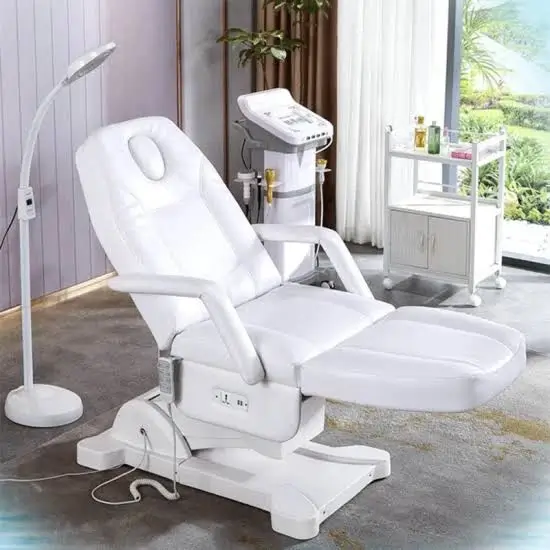

Across the spa industry, electric facial beds have steadily replaced manual, crank-adjusted models, reflecting broader shifts toward efficiency, client comfort, and reduced physical strain on staff during busy service days.
The Practical Case for Electric Adjustment
Manual beds require physical effort to adjust between clients, which adds time and physical strain across a full day of appointments. Electric models allow instant, effortless repositioning, significantly speeding up transitions between clients and reducing physical demands on staff.
Smoother, Quieter Operation
Modern electric beds increasingly prioritise quiet, smooth motor operation, recognising that jarring or noisy adjustments can disrupt the calm atmosphere spas work hard to cultivate for clients during treatment.
Considering Reliability and Maintenance
While electric models introduce more mechanical and electronic components than simple manual designs, well-built units from reputable manufacturers tend to offer strong long-term reliability. Reviewing a range of electric facial beds with attention to build quality and warranty coverage helps ensure this added convenience does not come at the cost of long-term reliability.
Weighing Upfront Cost Against Efficiency Gains
Electric beds typically carry a higher upfront price than manual alternatives, but the efficiency gains and reduced staff strain often justify this investment for busy commercial spas processing a high volume of daily appointments.
See also: Expert Guide to Selling Your Trade Business
Frequently Asked Questions
Are electric facial beds more expensive to maintain than manual models? They can involve more components, but reputable manufacturers generally offer reliable long-term performance with proper care.
Do electric beds significantly speed up appointment turnover? Yes, effortless repositioning between clients can meaningfully reduce transition time compared with manual adjustment.
Is quiet motor operation important for spa settings? Very much so, since disruptive noise can undermine the calm atmosphere central to most spa treatment experiences.
Final Thoughts
The shift toward electric facial beds reflects genuine operational advantages, from faster client turnover to reduced physical strain on staff. For busy commercial spas, this efficiency gain often justifies the higher upfront investment over manual alternatives.


 By
By