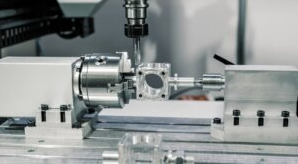

For cylindrical and rotationally symmetric parts, CNC turning remains one of the most efficient and precise manufacturing processes available. This guide explains how the process works and where it delivers the most value.
How CNC Turning Works
CNC turning rotates a workpiece against a stationary cutting tool, removing material to create cylindrical, conical, or other rotationally symmetric features with high precision and repeatability across production runs.
See also: Whole Life vs. Term Life Insurance: Which Is Right for You in Hong Kong?
Common Applications for Turned Parts
Shafts and Rotating Components
Mechanical shafts, spindles, and other rotating machine components frequently rely on CNC turning given the process’s natural suitability for producing precise cylindrical geometries.
Fittings and Connectors
Threaded fittings, connectors, and fasteners often require the dimensional precision and surface finish that CNC turning reliably delivers across high production volumes.
Medical and Precision Components
Applications demanding tight tolerances and excellent surface finish, including certain medical device components, frequently specify CNC turning given its precision capability.
Comparing Turning to Milling for Cylindrical Parts
While milling can also produce cylindrical features, turning generally offers better efficiency and surface finish specifically for rotationally symmetric geometries, making process selection an important design and manufacturing consideration.
For a closer look at available CNC turning capabilities and specifications, custom cnc turning service offers additional detail worth reviewing.
Evaluating Turning Capability for Your Project
Confirming a shop’s typical part diameter range, tolerance capability, and material experience relevant to your specific project helps ensure genuine fit between your requirements and their turning capability.
Frequently Asked Questions
What types of parts are best suited to CNC turning versus other machining processes? Cylindrical, conical, or other rotationally symmetric parts are ideally suited to turning, which produces these geometries more efficiently than alternative processes.
Can CNC turning achieve tight tolerances comparable to other precision machining methods? Yes, modern CNC turning equipment routinely achieves tight tolerances suitable for demanding applications, including medical and precision mechanical components.
Is CNC turning cost-effective for both low and high volume production? Generally yes, with efficiency typically improving at higher volumes, though many shops also support cost-effective low-volume and prototype turning work.
Final Thoughts
CNC turning remains an essential manufacturing process for cylindrical and rotationally symmetric parts across countless industries. Understanding its capabilities and appropriate applications supports smarter manufacturing process selection for your specific part designs.


 By
By