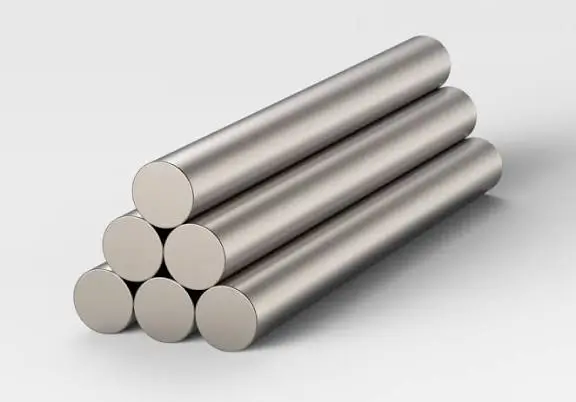

With China’s titanium production sector having grown considerably over recent decades, buyers researching a titanium alloy manufacturer in china face a genuinely broad field of options, making it worth understanding what specifically distinguishes manufacturers capable of consistently meeting demanding industrial specifications from those offering only baseline commodity-grade material.
Why Alloy Composition Consistency Matters More Than Buyers Often Realize
Titanium alloys, particularly grades like Ti-6Al-4V, depend on precise chemical composition control to achieve their specified mechanical properties. Manufacturers with less rigorous process control can produce material technically meeting nominal grade classification while still showing meaningful batch-to-batch variation in actual performance characteristics, a distinction that becomes critically important for applications with tight engineering tolerances.
How Vertical Integration Affects Quality Control Capability
Manufacturers controlling more of their production process internally, from raw material sourcing through melting, forming, and finishing, generally maintain more consistent quality control than those outsourcing significant portions of production to third parties without direct oversight. Understanding how much of a prospective manufacturer’s process happens under their own direct quality management helps clarify their actual control over final material consistency.
Why Testing and Certification Infrastructure Deserves Direct Verification
Rather than accepting quality claims at face value, buyers benefit from directly confirming what testing infrastructure a manufacturer actually maintains internally versus what testing is outsourced to third parties, since in-house testing capability generally supports faster quality feedback loops and more consistent batch-to-batch verification throughout production.
See also: Expert Guide to Selling Your Trade Business
For buyers evaluating options, LINHUI TITANIUM’s overview as a LINHUI TITANIUM titanium alloy manufacturer in china covers their production process and quality control approach across their alloy product range.
Frequently Asked Questions
How important is alloy composition consistency for general industrial applications versus aerospace use? While aerospace applications typically demand the tightest tolerances, even general industrial applications benefit from consistent composition, since unexpected property variation can still cause premature failure or inconsistent performance in service.
Does vertical integration always indicate a better manufacturer? Generally it supports more consistent quality control, though buyers should still verify actual quality outcomes through testing and certification rather than assuming vertical integration alone guarantees superior results.
What certifications should buyers look for when evaluating a Chinese titanium alloy manufacturer? Relevant international quality management certifications, along with material-specific standard compliance documentation appropriate to your intended application, provide useful baseline verification criteria.
Final Thoughts
Identifying a genuinely reliable titanium alloy manufacturer in China requires looking past broad capability claims toward concrete evidence of composition consistency, process control, and verifiable testing infrastructure.


 By
By