
Introduction
Personalization is changing the way businesses communicate with customers through direct mail. Instead of sending the same message to every recipient, brands now create mail pieces that reflect customer interests, buying habits, locations, and preferences. This approach makes printed marketing feel more relevant and encourages stronger engagement.
Businesses using postcard marketing services can create highly targeted campaigns that connect with the right audience using meaningful messages. At iti Direct Mail, personalized direct mail campaigns help businesses build stronger customer relationships while improving campaign performance. By making every postcard feel more personal, companies can increase attention, encourage action, and strengthen long-term customer loyalty.
Why Personalization Matters More Than Ever
Consumers receive marketing messages through many channels every day. Emails, social media advertisements, and online promotions compete for attention, making it difficult for businesses to stand out. Personalized direct mail provides something different. A printed postcard that reflects a customer’s interests feels intentional and receives more attention than a generic advertisement.
People appreciate communication that acknowledges their needs rather than delivering broad promotional messages. Personalization creates that connection by making each recipient feel valued instead of being treated as part of a large mailing list.
Businesses that invest in relevant messaging often experience stronger customer engagement because recipients see immediate value in the communication.
What Personalization Means in Modern Direct Mail
Personalization involves much more than adding a customer’s first name to a postcard. Modern campaigns combine customer data with creative design to deliver information that matches individual preferences.
This may include:
- Product recommendations based on previous purchases.
- Local promotions related to the recipient’s location.
- Seasonal offers that match customer interests.
- Messages based on purchase history or customer behavior.
These personalized elements make every mail piece feel more useful, encouraging recipients to spend more time reading the content before taking action.
Better Customer Data Creates Better Campaigns
Effective personalization begins with accurate customer information. Businesses collect data from multiple sources including online purchases, customer accounts, loyalty programs, surveys, and previous marketing interactions.
Organizing this information helps marketers understand:
- Customer interests.
- Shopping habits.
- Geographic location.
- Buying frequency.
Using quality data allows businesses to send messages that feel relevant instead of random. Accurate customer information also reduces wasted marketing efforts by focusing on audiences most likely to respond.
Variable Data Printing Makes Personalization Possible
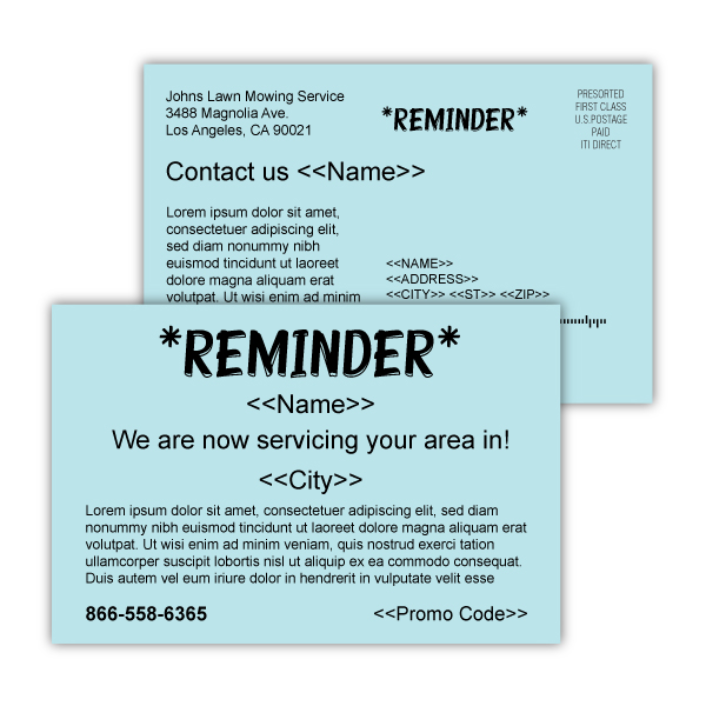
One of the biggest advances in direct mail is variable data printing. Instead of producing identical postcards, this technology allows every printed piece to contain different text, images, offers, and calls to action while maintaining the same design structure.
Businesses using direct mail postcard printing can customize:
- Headlines.
- Images.
- Promotional offers.
- Store locations.
- Personalized greetings.
This flexibility allows large campaigns to feel individually created without sacrificing consistency across the entire mailing.
Personalized Design Improves Reader Engagement
Design plays an important role in personalized marketing. Every element should support the message while guiding the reader toward the desired action.
Effective personalized postcards often include:
- Relevant imagery connected to customer interests.
- Clear and readable typography.
- Personalized offers.
- Strong calls to action.
- Easy-to-follow layouts.
When design and personalization work together, the message becomes easier to understand and more likely to encourage a response.
Audience Segmentation Creates More Relevant Messages
Not every customer has the same needs. Segmenting mailing lists allows businesses to group customers with similar interests before creating customized campaigns.
Common audience segments include:
- New customers.
- Returning customers.
- Loyal buyers.
- Seasonal shoppers.
- Customers who have not purchased recently.
Each group receives messaging designed specifically for its relationship with the business. This improves communication because every message feels more relevant.
Personalized Offers Increase Response Rates
Generic discounts often fail to create excitement because they apply to everyone equally. Personalized offers feel more valuable because they match customer interests or previous purchasing behavior.
Examples include:
- Recommendations based on previous purchases.
- Special promotions for loyal customers.
- Location-specific offers.
- Birthday or anniversary rewards.
- Product reminders.
When customers receive offers that match their interests, they are more likely to pay attention and engage with the campaign.
Combining Print with Digital Experiences
Personalized direct mail works even better when connected with digital marketing channels.
A printed postcard may include:
- QR codes leading to personalized landing pages.
- Individual promotional codes.
- Personalized URLs.
- Mobile-friendly response options.
These digital connections allow businesses to continue customer conversations after recipients receive the postcard. The printed piece becomes the starting point rather than the entire customer journey.
Personalization Builds Customer Trust
Trust develops when customers believe a business understands their needs without overwhelming them with irrelevant promotions.
Personalized mail demonstrates that a company pays attention to customer preferences and communicates thoughtfully. Instead of sending constant generic advertisements, businesses provide information that customers are more likely to find useful.
This approach encourages stronger relationships and supports long-term customer loyalty.
Personalization Supports Different Industries
Many industries benefit from personalized direct mail because customer expectations vary across different markets.
- Retail businesses can recommend products based on previous purchases.
- Healthcare organizations can send appointment reminders or wellness information.
- Educational institutions can provide program information based on student interests.
- Real estate professionals can deliver neighborhood-specific market updates.
- Financial organizations can send information based on customer account activity.
The flexibility of personalization allows businesses across many industries to improve customer communication.
Measuring Personalized Campaign Performance
Personalized campaigns generate valuable insights that help businesses improve future marketing efforts.
Useful performance indicators include:
- Response rates.
- Customer engagement.
- Redemption of personalized offers.
- Website visits from QR codes.
- Repeat customer activity.
Reviewing campaign performance helps marketers understand which messages, designs, and audience segments produce the strongest results.
Businesses working with iti Direct Mail often use these insights to refine future campaigns and improve customer communication over time.
Common Personalization Mistakes to Avoid
Successful personalization requires careful planning. Poor execution can reduce customer confidence rather than strengthen it.
Some common mistakes include inaccurate customer information, outdated mailing lists, irrelevant offers, excessive personalization, and inconsistent branding.
Maintaining accurate data, reviewing campaign content carefully, and respecting customer privacy helps businesses create professional campaigns that build credibility.
Why Direct Mail Continues to Stand Out
Digital marketing continues to grow, but printed communication remains valuable because it creates a physical experience. A personalized postcard is something recipients can hold, revisit, and keep for future reference.
Unlike many digital advertisements that disappear quickly, printed mail often remains visible in homes or offices, increasing opportunities for engagement.
When combined with thoughtful personalization, direct mail becomes a meaningful communication channel that supports stronger customer relationships.
See also: Orlando Business Law Attorney: Legal Guidance for Growing Businesses in Central Florida
How Businesses Can Prepare for Personalized Campaigns
Organizations planning personalized direct mail campaigns should begin with clear objectives and accurate customer information. Understanding the target audience helps create messages that feel relevant while supporting overall marketing goals.
Working with experienced direct mail postcard services also helps businesses coordinate design, printing, mailing, and audience targeting while maintaining consistent quality throughout the campaign.
Successful personalization is not about adding more information. It is about delivering the right information to the right audience in a meaningful and engaging way.
Conclusion
Personalization is reshaping direct mail by making every campaign more relevant, engaging, and customer focused. Businesses that use customer insights, thoughtful design, and targeted messaging create stronger connections while improving overall marketing performance. Personalized postcards help recipients feel recognized instead of treated as part of a general audience, leading to higher engagement and better long-term relationships.
As customer expectations continue to evolve, personalized direct mail will remain an important marketing strategy for businesses that value meaningful communication. Planning campaigns with accurate data, relevant messaging, and quality printing helps maximize every mailing opportunity. Contact us today, to learn how personalized direct mail can strengthen your customer engagement strategy.


 By
By