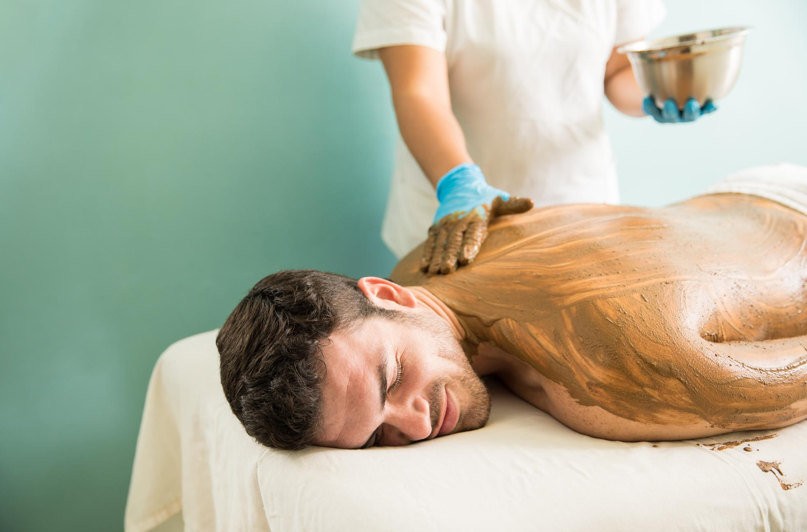

Booking your first professional massage can be an exciting step toward relaxation and self-care. At the same time, it is completely normal to feel unsure about what will happen during the appointment. Questions about the consultation, what to wear, how the session works and what to expect afterward are common for first-time visitors.
A professional massage appointment is designed to help you feel comfortable from the moment you arrive. Massage therapists aim to understand your needs, explain the process and create an environment where you can relax throughout the session. Knowing what to expect beforehand when you search for ‘massage near me’ services can make your first experience more enjoyable and help you feel more confident before your appointment.
Arriving for Your Appointment
Most massage appointments begin with arriving a few minutes early. This allows enough time to complete any necessary paperwork and settle in before the session begins.
You may be asked to provide basic information about your health, previous injuries or any areas of discomfort. This information helps the massage therapist understand your individual needs and determine the most appropriate approach for the session.
Arriving without feeling rushed also gives you a chance to become familiar with the surroundings and begin relaxing before the treatment starts.
See also: Whole Life vs. Term Life Insurance: Which Is Right for You in Hong Kong?
The Initial Consultation
Before the massage begins after your search for ‘massage near me’ services, your therapist will usually have a brief conversation with you.
This consultation is an opportunity to discuss why you have booked the appointment. Some people are looking for general relaxation, while others may want help with muscle tightness or everyday tension. You can also mention any recent injuries, medical conditions or areas that you would prefer the therapist to avoid.
The consultation is also the right time to discuss pressure preferences. Some people enjoy a lighter massage, while others prefer firmer pressure. Open communication helps the therapist tailor the session to your comfort level.
Understanding the Massage Process
Once the consultation is complete, the therapist will explain what happens next.
You will usually be shown to a private treatment room where you can prepare for the massage. The therapist will explain how to position yourself on the massage table and will leave the room while you get ready.
Professional massage therapists respect client privacy throughout the appointment. Proper draping techniques are used during the session so that only the area being worked on is uncovered at any given time.
Knowing these steps in advance often helps first-time clients feel more comfortable before the massage begins.
Creating a Relaxing Environment
The treatment room is typically designed to encourage relaxation.
Many professional massage settings use soft lighting, comfortable room temperatures and calming music to create a peaceful atmosphere. A clean and organized treatment space also helps clients feel at ease.
While the environment contributes to the overall experience, your comfort remains the priority. If the room feels too warm, too cool or if anything makes you uncomfortable, you should let your therapist know. Small adjustments can often make the session more enjoyable.
Communication During the Massage
Many people wonder whether they are expected to talk during the massage.
There is no right or wrong approach. Some clients enjoy quiet relaxation, while others prefer occasional conversation. Your therapist will generally follow your lead and respect your preference.
If you experience discomfort, the pressure feels too strong or too light, or you would like a different position, it is helpful to mention it during the session. Massage therapists welcome feedback because it allows them to adjust the treatment to suit your needs.
Good communication helps create a more comfortable experience from beginning to end.
Different Areas May Receive Different Attention
Every massage is slightly different because each person’s needs are unique.
Depending on your consultation, the therapist may focus on areas such as the neck, shoulders, back, arms or legs. Some appointments involve a full-body massage, while others concentrate on specific muscles that feel tight or tired.
The therapist may spend more time on certain areas if they contain noticeable tension, while still maintaining a balanced and comfortable treatment.
Your preferences discussed during the consultation will help guide the session.
Relaxing During the Session
It is common for first-time clients to wonder whether they need to do anything during the massage.
In most cases, simply relaxing is enough. Breathing normally and allowing your muscles to remain as relaxed as possible can help you enjoy the treatment more fully.
Some people notice that they become so relaxed they nearly fall asleep, while others simply enjoy having uninterrupted time away from everyday responsibilities. Every experience is different, and there is no expectation that you should respond in any particular way.
The goal is simply to create a comfortable environment where you can unwind.
After the Massage
When the massage is complete, the therapist will leave the room so you can get dressed at your own pace.
Many people feel relaxed after a massage, while others notice that their muscles feel looser than before the appointment. Taking a few moments before standing up allows your body to adjust comfortably after lying down for an extended period.
Drinking water after the session is commonly recommended as part of a healthy post-treatment routine. Some people also prefer to avoid rushing straight back into a busy schedule, allowing themselves time to enjoy the feeling of relaxation.
If you have questions about what you experienced during the massage, your therapist will usually be happy to answer them before you leave.
Every Massage Experience Is Personal
No two massage appointments are exactly the same.
Factors such as personal preferences, treatment goals and individual comfort levels all influence how a session is planned. Some people choose regular massage as part of their wellness routine, while others book appointments only occasionally.
The important thing is that the session is adapted to your individual needs rather than following a standard approach for everyone. A professional therapist will work with you to create an experience that feels comfortable and appropriate for your situation.
Understanding this flexibility often helps first-time clients feel more confident about booking their appointment.
Preparing for Future Appointments
Your first massage often provides a good opportunity to learn what works best for you.
You may discover that you prefer a certain level of pressure, specific treatment areas or a particular massage style. Sharing this feedback during future appointments helps create an even more personalized experience over time.
Keeping track of how you feel after each session can also help you decide how often you would like to include massage as part of your personal wellness routine.
Conclusion
A first professional massage appointment is usually a straightforward and comfortable experience designed around your individual needs. From the initial consultation through to the end of the session, every step focuses on helping you feel informed, respected and relaxed.
Knowing what to expect before you arrive can reduce uncertainty and allow you to enjoy the experience with greater confidence. Simple communication with your therapist, a willingness to ask questions and an understanding of the process all contribute to a positive first visit.
Whether your goal is relaxation, relieving everyday muscle tension or simply trying something new, understanding the appointment process helps ensure your first professional massage experience is both comfortable and enjoyable.


 By
By