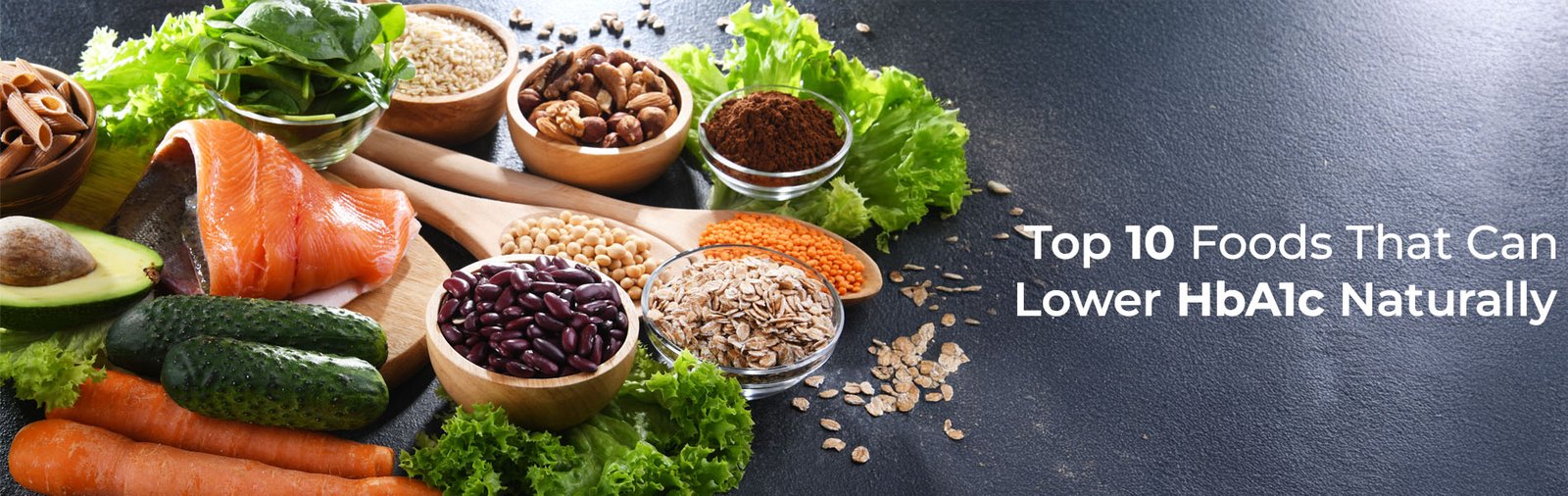

Epidemiological studies conducted in India reveal high rates of elevated blood sugar among people. Based on research, over 27% of people test in the diabetes range, and 22% in the prediabetes range. Having elevated blood sugar levels for an extended period of time can lead to vision problems, nerve issues, amputations and even kidney damage.
The good news is that your HbA1c levels can be effectively managed at home using regular monitoring and a healthy lifestyle, including a well-balanced diet.
If you or a family member has been recently diagnosed with type 2 diabetes or prediabetes, or has been constantly managing these conditions for a long time now, you are more likely aware of the power of balanced and healthy meal planning.
What you eat and drink plays an essential role in balancing your HbA1c levels along with a regular workout routine, proper stress management and medications. Whether your goal is to achieve good control of your blood sugar levels or to lower your HbA1c quickly, certain kinds of foods are even suggested by experts to benefit people with diabetes.
Read along to discover which foods can help you lower your blood sugar and HbA1c levels quickly, without compromising on the taste!
Top 10 Foods That Help Lower HbA1c Levels Quickly
1. Oats
Oats are known for being rich in beta-glucan, which is a soluble fibre that slows the digestion of carbohydrates and reduces post-meal blood sugar spikes. This helps to improve long- term HbA1c levels.
What does research say?
A review and analysis conducted of 16 studies found that the consumption of oats can significantly reduce HbA1c levels by approximately 0.42% while lowering LDL cholesterol and fasting blood glucose in people with Type 2 diabetes.
2. Legumes like Beans, Lentils & Chickpeas
Packed with resistant starch and plant protein, legumes like beans, lentils and chickpeas slow down glucose absorption and improve insulin sensitivity.
What does research say?
An analysis conducted by replacing high- glycaemic carbohydrates with legumes showed a significant improvement in glycaemic control and reduced HbA1c.
3. Leafy Green Vegetables
Green vegetables like kale, amaranth, and fenugreek leaves are low in carbohydrates but rich in fibre, antioxidants and magnesium that support insulin function.
What does research say?
Large studies have consistently concluded that a higher intake of leafy green vegetables is associated with a lower risk of developing type 2 diabetes.
4. Nuts
Loaded with healthy fats, magnesium and fibre, nuts like almonds, walnuts and pistachios help to reduce post- meal glucose spikes and improve the feeling of fullness.
What does research say?
Clinical studies suggest that regular consumption of nuts can improve insulin sensitivity and modestly improve glycaemic control when included in a healthy, balanced diet.
5. Fatty Fish like Salmon & Sardines
Rich in omega-3 fatty acids, fish like salmon, sardines and mackerel reduce inflammation and support cardiovascular health, which is important for people struggling with diabetes.
What does research say?
Studies indicate that regular intake of fatty fish can lower the risk of developing type 2 diabetes and any cardiovascular risks associated with diabetes.
6. Plain Yoghurt or Unsweetened Greek Yoghurt
High in protein and probiotics, consuming unsweetened yoghurt can promote a healthy gut microbiome, which can help insulin sensitivity.
What does research say?
Studies say that regular intake of yoghurt is associated with improved glucose metabolism and can contribute to lower HbA1c levels.
7. Berries
Apart from being a delicious snack, berries like strawberries, blueberries and raspberries are rich in fibre and anthocyanins and low in sugar.
What does research say?
Research links consumption of berries with improved insulin sensitivity and reduced post- meal blood sugar response.
8. Cinnamon
A time- tested spice containing bioactive compounds, cinnamon can enhance insulin signalling.
What does research say?
9. Chia Seeds & Flaxseeds
Excellent sources of fibre and omega-3 fatty acids, chia seeds and flaxseeds can slow down digestion and stabilise blood sugar levels.
What does research say?
Studies suggest that including chia seeds and flaxseeds can reduce postprandial sugar level spikes and overall glycaemic index.
10. Bitter Gourd
Bitter gourd has been used in traditional medicine and contains compounds like charantin and polypeptide-p, which are known for supporting glucose metabolism.
What does research say?
Many clinical studies have shown the effects of bitter gourd on blood glucose levels. It can be included in the diet as a supportive food to help lower HbA1c levels.
Final Thoughts
Lowering your HbA1c naturally is not just about following a restrictive diet; it is about consistently choosing nutrient- rich foods that support stabilising blood sugar levels while maintaining a healthy lifestyle.
Apart from including leafy green vegetables, legumes, nuts, seeds and berries, you should also track your blood sugar levels. To make it easier, consider the Ayushman Diabetes Care package at LifeCell Diagnostics that is designed for adults aged 18 years and above to monitor blood sugar levels and assess diabetes related risks. It includes 4 essential tests, requires only 1 blood sample collection and delivers accurate and reliable results in just 14 hours. LifeCell Diagnostics brings highly skilled phlebotomists and NABL-accredited laboratories with the availability of over 4500+ tests on the platform.
Regular HbA1c testing combined with healthy choices when it comes to your diet can help you take control of your blood sugar and reduce the risks of long- term high HbA1c levels.


 By
By