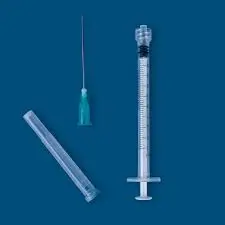

Focusing specifically on luer lock syringe designs, this discussion examines why this particular connector variant has become the preferred choice for numerous clinical applications requiring reliable, secure needle or device attachment.
Why Syringes Commonly Feature Luer Lock Tips
Many clinical applications involving syringes benefit from the enhanced connection security luer lock syringe designs provide, particularly relevant given that syringes are frequently used for injection procedures where accidental needle detachment during use could create both a safety hazard and a failed medication administration requiring correction.
Applications Particularly Suited to Luer Lock Syringes
Procedures involving higher injection pressure, such as certain contrast media administration for imaging procedures, applications requiring sustained pressure like some wound irrigation procedures, and any scenario where the syringe and attached needle or device will experience meaningful handling stress during use particularly benefit from luer lock’s threaded security.
Comparing Luer Lock and Luer Slip Syringe Options
While luer slip syringes offer faster needle attachment and detachment for applications not requiring enhanced connection security, many clinical settings default to luer lock syringes for general use, valuing the additional security margin this design provides across the variety of clinical scenarios syringes are commonly used for.
Proper Technique for Luer Lock Syringe Use
Clinical staff should use appropriate technique when attaching needles or other devices to luer lock syringe tips, ensuring adequate threading engagement to achieve genuine locking security without excessive force that could damage the connector threading or the attached device.
Compatibility With Various Needle and Device Options
Luer lock syringes need to reliably accommodate the range of needle gauges and other luer lock-compatible devices clinical staff might attach, making manufacturing precision in luer lock tip dimensions an important quality consideration supporting reliable compatibility across various attached devices.
See also: Expert Guide to Selling Your Trade Business
Selecting Luer Lock Syringes for Procurement Standardization
Many healthcare facilities standardize on luer lock syringes as their default option across most clinical applications, valuing the consistent connection security this provides, while maintaining luer slip options available for specific applications where their particular advantages, such as faster connection changes, provide meaningful clinical value.
Training Emphasis on Connection Verification
Regardless of syringe type, clinical training should emphasize verifying secure connection before proceeding with injection or other fluid delivery, with luer lock designs providing an additional tactile and visual confirmation point through the threading engagement that staff can specifically verify.
Conclusion
Luer lock syringe designs provide valuable enhanced connection security particularly important for applications involving elevated pressure, sustained use, or scenarios where accidental disconnection could create meaningful clinical risk. Understanding appropriate application contexts and proper technique supports safe, effective use of this widely adopted syringe connector standard.
FAQs
Q1: Why do many clinical applications favor luer lock syringes specifically? The threaded locking mechanism reduces risk of accidental needle detachment during use, particularly valuable given syringes are frequently used for injection procedures where this could create safety hazards.
Q2: What applications particularly benefit from luer lock syringe security? Higher pressure procedures like contrast media administration, sustained pressure applications like wound irrigation, and any scenario involving meaningful handling stress during use.
Q3: What technique consideration matters when attaching devices to luer lock syringes? Ensure adequate threading engagement for genuine locking security without excessive force that could damage the connector threading or attached device.


 By
By