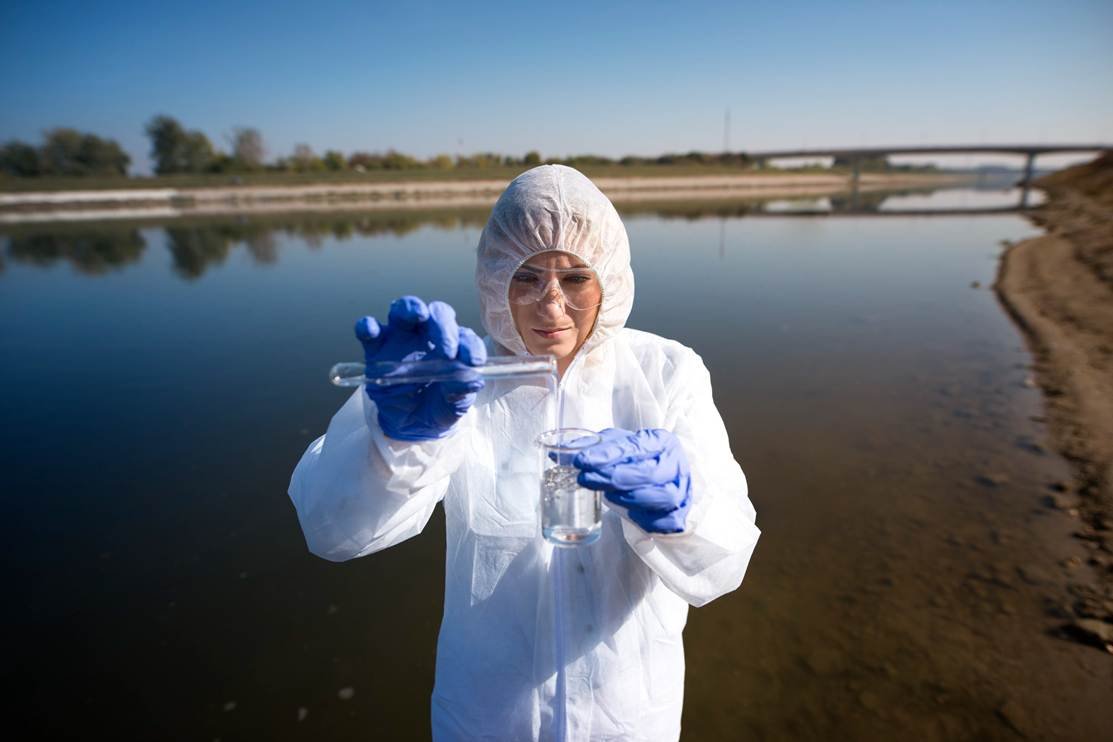

PFAS (per- and polyfluoroalkyl substances) are synthetic “forever chemicals” widely used for their water- and stain-resistant properties. They cause severe soil contamination with heavy accumulation in ecosystems due to their inability to break down naturally. To detect these invisible, trace-level threats, you need highly specialised environmental auditing and state-of-the-art soil testing in Sydney.
Key Takeaways
- PFAS are a group of 4,700+ synthetic chemicals that resist heat, water, and grease. They do not break down in soil, water, or the human body.
- Soil Contamination from PFAS is most common near airports, firefighting training sites, RAAF bases, industrial facilities, and landfills across Sydney and NSW.
- PFAS can easily travel from contaminated soils into groundwater, threatening local water tables and agricultural land.
- The Australian Government has banned the manufacture, import, and use of PFOS, PFOA, and PFHxS since July 1, 2025. However, preexisting contamination remains.
- Detecting PFAS requires NATA-accredited laboratory analysis under the PFAS NEMP 3.0 guidelines that govern compliance across every Australian jurisdiction.
PFAS in the soil can be highly resilient, as they have great resistance to natural decay. As this soil contamination trickles down to the Australian groundwater reserves over time, the risks to the local water tables, along with the agricultural infrastructure, continue to rise. Early detection is key to employing effective remediation practices that can not only save the soil from further or cross-contamination, but also help you avoid a notice from local and national EPAs.
What are PFAS & where are they most commonly used?
PFAS (per- and polyfluoroalkyl substances) are a class of synthetic chemicals that have been around for many years and have traditionally been used in manufacturing or agricultural applications.
PFAS were primarily used for their resistance to heat, water, oil, and staining. However, the same chemical resistance that made them so useful also makes it difficult for them to self-decompose in nature.
As a result, PFAS often remain in soil and water for extended periods of time and, thus, have been deemed “forever chemicals.”
Where are PFAS used?
- Historical use of Aqueous film-forming foam (AFFF) for fire training exercises and extinguishing fires at airports, military bases, and fire stations in Sydney and across New South Wales
- Non-stick coatings on cookware (Polytetrafluoroethylene / (PTFE))
- Waterproof fabric finishes
- Stain-resistant textiles
- Oil/grease-resistant food packaging and containers
- Industrial surfactant and mist suppressant use
| Product Type | Typical Use |
| Firefighting Foams | Airports and emergency response |
| Industrial Coatings | Manufacturing facilities |
| Water-Resistant Materials | Textiles and fabrics |
| Non-Stick Products | Consumer goods |
| Food Packaging | Grease-resistant packaging |
Table: Common products that use PFAS
As PFAS can persist for long periods without natural decay, they have become a major environmental concern throughout Australia and the world at large.
See also: Fashion Brand Storytelling Techniques
What are some high-risk sites for PFAS contamination in Australia?
Soil Contamination from PFAS is invisible, odourless, and trickles through to groundwater reserves by water movement through soil profiles. As a result, it is difficult to detect without specialised machinery and mechanisms.
| Site Type | PFAS Source | Sydney/NSW Examples |
| Airports and airfields | AFFF firefighting foam use over decades | Sydney Airport precinct (Mascot area), regional airfields |
| RAAF and defence bases | AFFF training; firefighting operations | Multiple NSW defence sites under active EPA investigation |
| Fire stations and training grounds | Historical AFFF drills and equipment testing | Station-adjacent residential and commercial land |
| Industrial facilities | Manufacturing processes, chemical storage | Western Sydney industrial corridors |
| Landfills | Disposal of PFAS-containing consumer products | Greater Sydney metropolitan landfills |
| Dry cleaning sites | Legacy solvent use; PFAS-adjacent contamination | Urban commercial strips across the Sydney CBD fringe |
Table: High-risk site categories in Sydney and NSW
If you own property that borders or is adjacent to one of these site types, or if you are purchasing property for development, soil testing in Sydney should be your first step.
How is PFAS detected in the soil?
PFAS contaminants cannot be identified by visual examination, smell, or regular site inspections alone. Structured sampling and a laboratory analytical methodology are required to identify PFAS.
The stages of any competent PFAS Detection Protocol
- Stage 1: Environmental Site Assessment (Desk Study)
This stage includes reviewing histories of the site, reviewing past uses of the land, using aerial photographs, reviewing regulatory databases, and evaluating past documented instances of contamination to ascertain if PFAS use has likely occurred. There is no physical sampling during this stage.
- Stage 2: Specific Soil and Groundwater Sampling
In the field, a team will collect soil samples at three different depths (0-0.1 m, 0.1-0.5 m, and greater depths, if required, due to the possibility of a contamination plume migrating) in areas where PFAS contamination is suspected and may have migrated from outside of the site. Monitoring wells will be installed and then sampled in places where there is suspected subsurface movement of PFAS.
- Stage 3: Laboratory Analysis of Samples
Soil testing in Sydney is done with NATA-accredited laboratory practices, where soil samples are analysed with Liquid Chromatography – Mass Spectrometry (LC-MS/MS). This is the only way of detecting PFAS at the low concentrations required in accordance with NEMP 3.0. The results are measured in ng/L (nanograms per litre) or ng/g (nanograms per gram).
- Stage 4: Risk Assessment Against NEMP 3.0 Guideline Values:
The PFAS NEMP 3.0 (effective 2024) Guidelines for Health-Based and Ecological-Based Guideline Values for soil, groundwater, and surface water for all Australian jurisdictions have been revised. The levels detected are then compared against these guidelines to determine the level of risk associated with the contamination and if there is a human health risk and/or a risk to ecological receptors, and/or a future use risk associated with the particular contaminated site, making recommendations for remediation if required.
Effective detection of PFAS contamination can be challenging, but it is critical
Due to their lack of decay or breakdown in nature, PFAS (also known as “forever chemicals”) create major environmental threats, both locally and globally. Determining the presence and amount of these chemicals requires strict adherence to proper procedures during the collection and soil testing in Sydney, along with advanced analytical techniques to ensure that the risk of cross-contamination is minimised.
Does your Sydney site require PFAS testing?
Choose a NATA-accredited company for soil testing in Sydney and get your site tested for PFAS soil contamination right away. This will help you ensure long-term environmental protection while also protecting you from regulatory violations by Australian EPAs.


 By
By