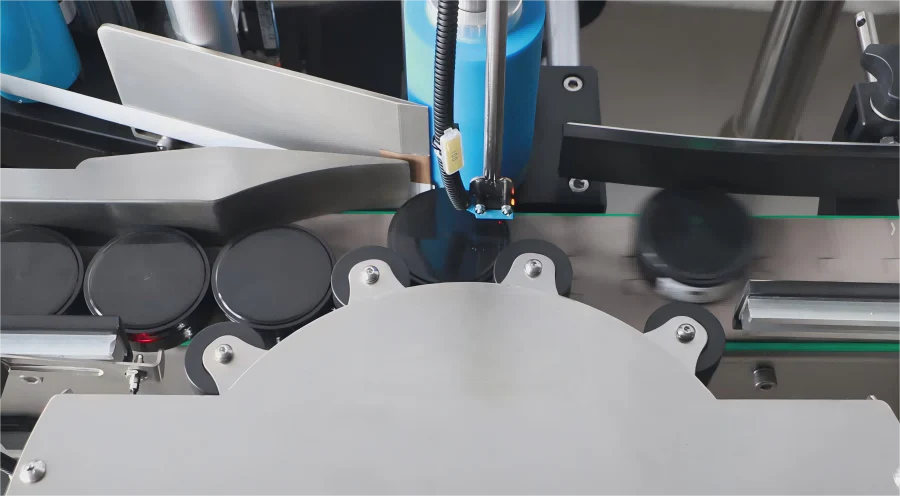

The packaging industry is evolving at a remarkable pace as manufacturers respond to changing consumer expectations, stricter quality standards, and increasingly competitive global markets. Businesses are no longer focused solely on increasing production capacity. Instead, they are investing in technologies that improve efficiency, flexibility, accuracy, and long-term operational performance. Packaging has become a strategic function within manufacturing because it influences product presentation, supply chain performance, and customer confidence. As these priorities continue to shift, the bottle labeling machine is emerging as one of the technologies supporting the next generation of packaging innovation.
Future packaging technologies are expected to deliver much more than automated production. They will help manufacturers manage complex product portfolios, improve resource efficiency, strengthen quality management, and adapt to rapidly changing market demands. Companies that prepare for these developments today are positioning themselves for greater operational resilience in the years ahead.
Innovation is no longer measured only by advanced machinery. It is measured by how effectively different technologies work together to create smarter, more reliable, and more adaptable manufacturing environments.
The Packaging Industry Is Entering a New Era
Manufacturing continues to move beyond traditional production models.
Companies are producing more product variations, entering new international markets, and responding to shorter product life cycles. These changes require packaging operations that can remain efficient despite increasing complexity.
Future packaging systems must support continuous adaptation without sacrificing consistency or operational stability.
This changing landscape is encouraging manufacturers to adopt technologies that provide long-term flexibility rather than short-term production gains.
Innovation Is Driven by Market Expectations
Customer expectations have become one of the strongest forces shaping manufacturing decisions.
Consumers increasingly evaluate packaging based on quality, appearance, information clarity, and overall presentation. Retailers also expect products to meet high standards before reaching store shelves.
These expectations encourage businesses to improve packaging processes while maintaining consistent production performance.
Manufacturers that respond effectively often strengthen both customer satisfaction and long-term brand reputation.
Smarter Production Requires Smarter Packaging
Modern production facilities rely on coordination rather than isolated equipment performance.
Every stage of manufacturing contributes to overall productivity, making packaging an essential part of operational planning.
Smarter packaging environments improve communication between production processes, helping businesses reduce unnecessary delays while maintaining stable workflows.
Integrated production strategies support greater efficiency throughout the manufacturing cycle.
Adaptability Has Become a Competitive Advantage
Manufacturing requirements change frequently.
Businesses regularly introduce promotional packaging, updated branding, regional product variations, and seasonal product launches.
Production systems capable of adapting quickly provide manufacturers with valuable flexibility that supports continued growth.
Adaptability reduces operational disruption while allowing businesses to respond confidently to changing market opportunities.
Quality Management Continues to Evolve
Quality management now extends beyond final product inspection.
Manufacturers increasingly focus on maintaining consistent production conditions throughout every stage of manufacturing.
Reliable packaging contributes by supporting accurate product presentation, reducing unnecessary production errors, and improving operational consistency.
Preventing quality issues before products leave the factory has become more effective than correcting problems later.
See also: Orlando Business Law Attorney: Legal Guidance for Growing Businesses in Central Florida
Digital Manufacturing Supports Better Visibility
Production visibility has become increasingly important in modern manufacturing.
Businesses benefit from monitoring operational performance across multiple production stages rather than evaluating equipment individually.
Access to production information helps improve planning, identify efficiency opportunities, and support informed management decisions.
Greater visibility contributes to stronger operational control while encouraging continuous improvement.
Sustainability Influences Future Packaging
Environmental responsibility continues shaping manufacturing strategies worldwide.
Future packaging technologies are expected to support efficient resource management, reduced waste, and improved production planning alongside traditional productivity goals.
Sustainability is increasingly viewed as an operational objective rather than simply an environmental initiative.
Efficient production systems often contribute to both business profitability and responsible manufacturing practices.
Preparing for Intelligent Manufacturing
Manufacturing is becoming increasingly connected through automation, digital technologies, and integrated production systems.
Future factories will rely on communication between equipment, production planning software, quality management systems, and supply chain operations.
Packaging technology will remain central to these developments because it connects manufacturing output with customer-ready products.
Businesses investing in intelligent manufacturing today are preparing for continued technological advancement tomorrow.
Long-Term Planning Creates Stronger Operations
Successful manufacturers look beyond immediate production requirements.
Long-term planning includes evaluating future market growth, production flexibility, maintenance strategies, workforce development, and technology integration.
Packaging investments support these objectives when they contribute to operational resilience rather than simply increasing output capacity.
Strategic planning helps businesses remain competitive despite changing market conditions.
The Future Will Reward Continuous Improvement
Innovation is an ongoing process rather than a final destination.
Manufacturers that consistently evaluate workflows, adopt practical improvements, and invest in adaptable technologies often build stronger operational foundations over time.
Continuous improvement encourages businesses to remain flexible while maintaining high production standards across changing manufacturing environments.
This mindset will continue influencing the future direction of industrial packaging.
Final Thoughts
Future packaging technologies will depend on much more than automation alone. Manufacturers require intelligent systems capable of improving quality, supporting operational flexibility, reducing waste, and adapting to evolving market expectations. Packaging has become an essential contributor to these objectives because it directly influences production efficiency, customer perception, and overall business performance.
As manufacturing continues advancing toward smarter and more connected production environments, the bottle labeling machine will remain a key technology supporting future packaging innovation. Its role in improving accuracy, enabling flexible operations, strengthening quality management, and supporting sustainable manufacturing ensures that it will continue serving as a foundation for next-generation packaging technologies.


 By
By