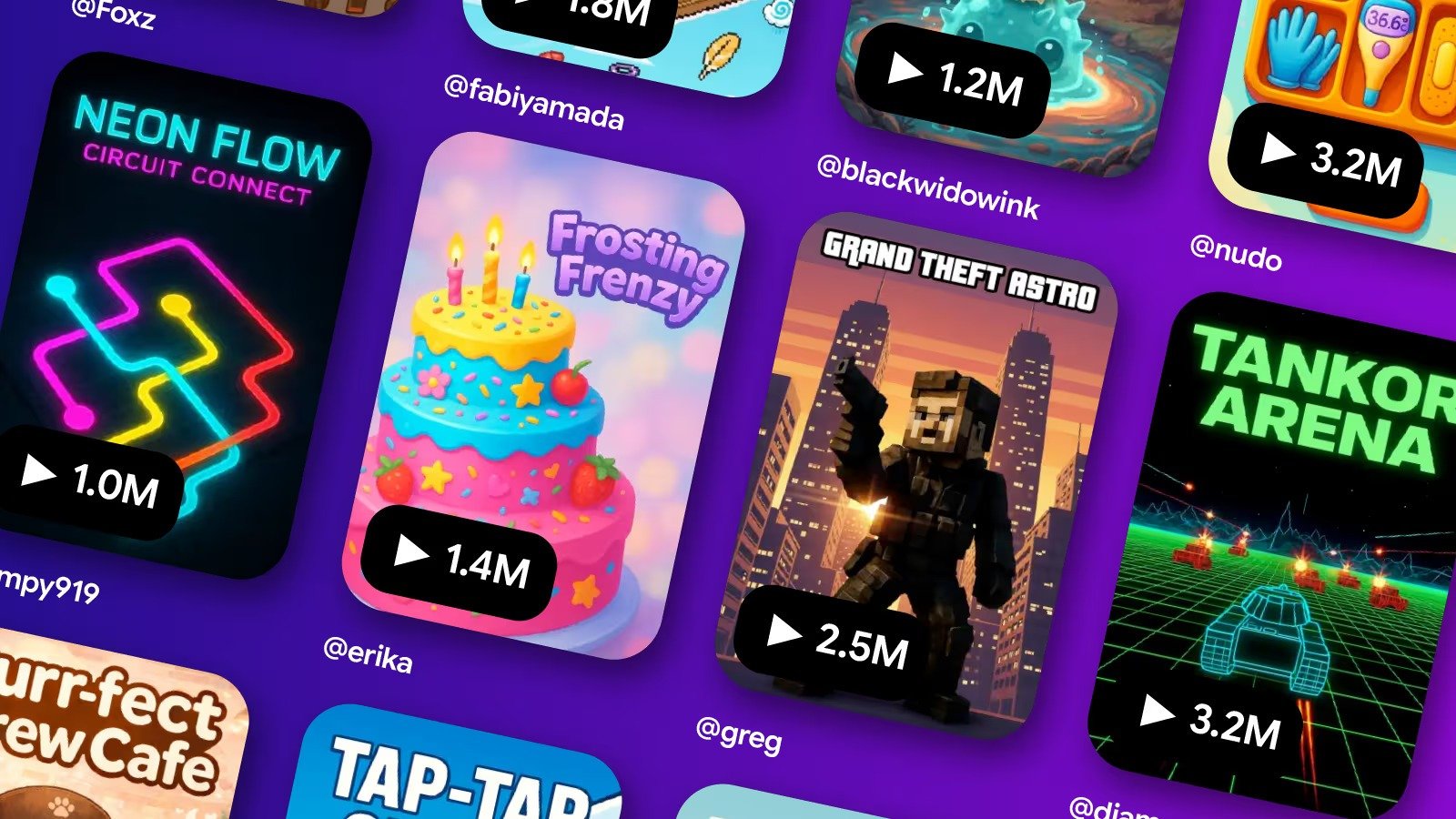

Many creators stop before they start because they believe the wrong things about modern creation tools. They think these tools are only for experts, only for lazy creators, or only for small toy projects. Those ideas can block someone with a good concept from ever testing it. The truth is that tools are changing how people begin game creation, but they do not replace creativity. They help creators move faster from idea to playable draft. If you want to make your own game, you still need to think about the player, the challenge, and the feeling of the first round. The tool helps open the door, but your choices shape the final experience.
These myths matter because they make beginners feel unqualified. A student, hobby creator, teacher, or first time designer may already have a fun idea but may feel scared to try it. Astrocade can help by making the first step feel less technical. Instead of waiting until you know everything, you can begin with one small idea and learn through testing.
Myth One, AI Makes the Creator Unimportant
One common myth is that an AI game maker does all the creative work, leaving the creator with no real role. That is not true. The creator still chooses the idea, mood, rules, audience, and direction. A tool can help shape the first version, but it cannot fully understand your taste without your guidance.
• You decide what the player should feel
• You choose the main challenge
• You test if the idea is fun
• You fix confusing parts
• You improve the player experience
• You add your own style
• You decide when the project is ready
The tool supports your work. It does not remove your creative value.
See also: Virikson Holidays Luxury Cuba Escapes – Beaches, Culture & Style
Myth Two, Beginners Must Know Code First
Many people think they need to learn programming before they can create a game. Coding is useful, but it is not always the first step anymore. Beginners can start by learning simple design thinking. What does the player do? What makes the challenge fair? What happens after a mistake? These questions are part of game design, and they can be learned through practice. A no-code game maker can help beginners test ideas before learning deeper technical skills. This is helpful because a first project should teach you how players react, not make you stuck in setup problems for weeks.
Myth Three, Fast Creation Means Low Quality
Fast creation does not always mean poor quality. A quick first draft is not the final project. It is a starting point for testing, editing, and improving. A game builder can help you reach that starting point sooner, which means you can spend more time improving the real experience.
• Fast drafts help you test ideas early
• Testing shows what players understand
• Small changes can improve balance
• Better controls can change the whole mood
• Clear goals can make simple projects stronger
• Feedback helps remove weak parts
• Good polish comes after the core loop works
Quality comes from revision, not from waiting forever to begin.
Dirt Bike
Dirt Bike is a motorbike stunt game where you ride off road tracks, balance your bike, and complete obstacle courses. It is a useful example because the idea is simple, but the design still needs care. The player must feel the weight of the bike, understand the track, and learn when to speed up or slow down. A creator can study this kind of project to see how one clear loop can carry the whole experience. Ride, balance, avoid mistakes, and finish the course. If you create a game with a similar stunt idea, the fun will depend on timing, track shape, fair obstacles, and smooth control. Dirt Bike shows that simple does not mean carelessness. Simple can still be smart.
Myth Four, AI Tools Are Only for Tiny Projects
Some creators believe that these tools are only useful for tiny ideas that cannot grow. That is another myth. A small first version can become the base for a bigger project. The first track can become more tracks. One obstacle can become many obstacle types. One control idea can become a stronger movement system. This is how game prototyping works. You start with a small test, then build based on what works. Even large projects often begin with a tiny playable loop. Astrocade can help creators test that loop faster, then decide if the idea deserves more time.
Myth Five, No Code Means No Real Skill
No code creation still needs skill. It simply changes which skills come first. You still need to think about game mechanics, game levels, difficulty, rewards, and player choices. A no code tool can remove the need to write early technical systems, but it cannot make weak design feel strong by itself. If the level is boring, the player will feel it. If the controls are confusing, the player will notice. This is why creators must still learn balance, pacing, and feedback. Making games without code is not a shortcut around design. It is a clearer path into design for people who want to learn by building.
What Creators Should Focus On Instead
Instead of worrying about myths, creators should focus on the parts that make a project worth playing. The first version does not need to be perfect, but it should teach you something.
• Make the first goal clear
• Keep the first level small
• Test the controls early
• Watch where players struggle
• Use simple game assets first
• Improve one problem at a time
• Keep the challenge fair
• Let game creation grow through feedback
A game maker online can help you repeat this process faster, which makes learning easier.
Myth Six, You Need a Perfect Idea Before Starting
Many creators wait for the perfect idea. This can become a trap. A perfect idea in your head may not work when someone tries to play it. A simple idea that gets tested can become much stronger. If you want to build a game, start with one action and one goal. For a stunt project, that could be riding across one track without falling. For a puzzle, it could be clearing one board. For an action project, it could be surviving one wave. Once the loop works, you can improve the design. The best ideas often become clear after testing, not before it.
Conclusion
The biggest myths about creation tools all lead to the same problem. They make creators wait too long. You do not need to be an expert, and you do not need a perfect plan before you begin. You need a small idea, a clear player goal, and the courage to test your first version.
Dirt Bike shows how a simple stunt idea can become fun through balance, track design, and fair obstacles. Astrocade helps creators move past fear and into action by making interactive game creation easier to start. The real value is not only speed. It is learning. When your idea becomes playable, you can finally see what works, fix what does not, and grow into a better creator with every version.

 By
By