
Getting a tattoo inked used to mean sitting through hours of discomfort with no real way around it. Cosmetic treatments felt similar. Many people accepted the pain because they wanted the final result badly enough. Still, that mindset has started changing. People now expect comfort during beauty and body procedures, not just good results afterward. That shift feels impossible to ignore now.
The growing demand for numbing gel comes from one simple reason. People do not want pain ruining an experience that is supposed to feel exciting or rewarding. A person walking into a tattoo studio today often feels nervous long before the needle touches the skin. The same thing happens before lip treatments, laser sessions, or cosmetic procedures. A good numbing product can calm that fear surprisingly fast.
Pain affects more than comfort. It changes how long someone can sit through a procedure. Some people begin moving around after a short time because the discomfort becomes too much. Tattoo artists and cosmetic professionals often notice this. Sessions become harder to complete. Lines may suffer. Breaks become longer. Nobody really enjoys that situation.
Why Comfort Matters During Procedures
This is where topical anesthetic creams have begun to attract attention from both clients and professionals. These products help reduce skin sensitivity before treatment begins. Many studios now recommend them before larger tattoo sessions or delicate cosmetic work. Areas like ribs, lips, fingers, and the neck usually feel more sensitive than people expect. Even people with a high pain tolerance sometimes struggle there.
A few years ago, many believed numbing products were only for people who could not tolerate pain. That opinion still exists in some circles, though it feels outdated now. Plenty of experienced tattoo collectors use them regularly. Cosmetic clients do too. The focus has shifted toward comfort, longer sessions, and a smoother overall experience.
When a client stays relaxed, the procedure often moves more smoothly. Artists can focus better. Cosmetic technicians can work with fewer interruptions. The appointment feels calmer from start to finish. Some professionals quietly admit they prefer clients who prepare properly beforehand because anxious movement creates stress during detailed work.
See also: Cultivate Positivity and Mindfulness for a More Meaningful Daily Lifestyle
Fear of Pain Stops Many People
People underestimate how much anticipation affects pain. Sitting in a waiting room while imagining needles repeatedly touching the skin creates tension before the procedure even begins. Muscles tighten. Breathing changes. Skin sensitivity can feel stronger because the body already expects discomfort. A numbing product helps remove part of that mental pressure.
There is another side to this conversation that many people avoid discussing openly. Fear of pain stops some individuals from getting procedures they truly want. Someone may spend months planning a tattoo design and then back out at the last moment. Cosmetic treatments face the same hesitation. Pain becomes the barrier, not a lack of interest.
That emotional side matters more than many expect. Clients want confidence during the process, not just after it ends. Feeling calmer in the chair completely changes the experience. Someone who has one comfortable session is more likely to return later for another treatment. Word spreads quickly, too. Friends recommended places where the process felt manageable rather than overwhelming.
Longer Sessions Need Better Preparation
Pain management has become a larger discussion because procedures are getting more detailed and time-consuming. Tiny fine-line tattoos require precision. Cosmetic procedures may involve repeated passes over sensitive skin. Sessions can last several hours. Without preparation, discomfort builds slowly and then all at once.
Here is a quick breakdown of why comfort matters during different procedures:
| Procedure Type | Common Concern | Why Comfort Matters |
| Tattoo Sessions | Needle sensitivity | Helps clients sit still longer |
| Lip Procedures | Tender skin areas | Reduces anxiety before treatment |
| Laser Treatments | Heat discomfort | Makes repeated sessions easier |
| Microblading | Facial sensitivity | Improves relaxation during detail work |
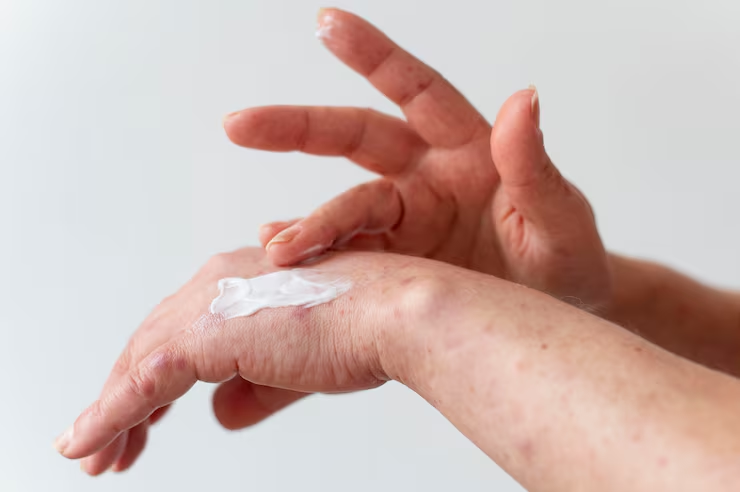
People searching online often come across terms like lidocaine cream while researching pain relief before cosmetic or tattoo appointments. That makes sense because lidocaine is commonly used in many topical numbing products. Reading about ingredients before using any product gives people more confidence and fewer surprises during treatment day.
Proper Timing Changes the Experience
Timing plays a bigger role than expected. Applying a numbing product too early or too late may affect the experience. Many professionals suggest preparing the skin carefully before an appointment. Clean skin, proper wrapping, and correct waiting time can change how well the product works. Small details matter here more than people realize.
Some tattoo artists still debate whether numbing products affect skin texture during sessions. Opinions vary. A few avoid them completely, while others often recommend them. Still, the conversation has shifted noticeably over the last several years. Comfort has become part of the modern client experience, not something people feel embarrassed requesting anymore.
The cosmetic field has changed even faster. Clients now expect treatments to feel manageable. Social media probably influenced that shift. People watch treatment videos daily and become curious about procedures they once feared. Yet curiosity disappears quickly when pain stories dominate online discussions. Comfort products help reduce that hesitation.
Why More Professionals Recommend Numbing Products
Another phrase people may encounter during research is skin desensitization. This refers to lowering the skin’s response to pain before a procedure starts. Many professionals discuss this approach when preparing clients for longer appointments or highly sensitive treatment areas.
A few practical reasons explain why numbing products keep growing in popularity:
- Clients feel calmer before appointments
- Longer sessions become easier to complete
- Artists and technicians face fewer interruptions
- Sensitive body areas become easier to manage
- Repeat appointments feel less intimidating
That last point matters a lot. A bad first experience can discourage someone permanently. One painful appointment may stop future treatments altogether. People remember discomfort vividly. They talk about it too. Comfort creates better memories, even if the procedure still feels slightly uncomfortable at times.
The Future of Comfortable Cosmetic Treatments
Some people expect complete numbness and feel disappointed when they still notice pressure or movement. That expectation creates confusion. Most products aim to reduce discomfort, not erase every sensation entirely. Knowing that beforehand usually creates a better experience and less frustration during treatment.
Preparation matters outside the product itself, too. Staying hydrated, sleeping well, and avoiding skin irritation before appointments can help reduce sensitivity. Professionals mention this often because clients sometimes ignore simple preparation steps and then blame the procedure afterward.
The demand for comfort-focused cosmetic and tattoo experiences will likely continue growing. People now approach self-care differently. They want results, though they also want the process to feel manageable from beginning to end. That expectation has quietly changed the industry over time.
Numbing products no longer feel like a hidden secret. They have become part of the standard preparation for many people entering tattoo studios or cosmetic clinics. The conversation now focuses less on “handling pain” and more on creating a smoother overall experience.

 By
By