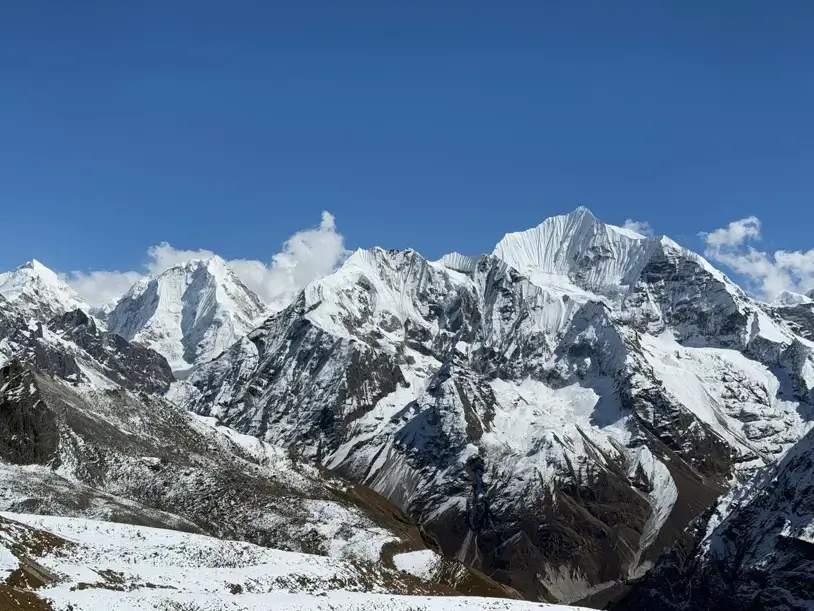

High up near Everest Base Camp, thin air turns into a serious issue fast. As heights climb in the Khumbu Valley, breathing gets harder without enough oxygen around. Nepali guides often talk about AMS because bodies react badly when they cannot adapt quickly enough, going upward too fast. That raises risks – no question. Head pain might show first, then shaky balance or extreme tiredness creeping in. These signals demand attention; brushing them off leads nowhere good. Experts stress knowing the signs before setting foot on trailheads. A smart start matters more than strong legs out here. Awareness builds safer journeys through rugged peaks where help stays far away. Respecting elevation changes shapes how well anyone moves forward.
How trekking agencies design safe acclimatization plans
Most companies that run Everest Base Camp Trek hikes build in extra time so people can adjust to thin air without getting sick. Moving up slowly through places such as Tengboche gives the body a chance to catch up with changes in elevation across Nepal’s peaks. A pause in spots like Namche Bazaar isn’t just for views – it lets blood and lungs reset before going higher. Going too fast upward often leads to headaches, nausea, or worse among climbers on Himalayan trails. Thoughtful timing between climbs shows up clearly in trusted guided trips meant to keep travelers steady and well.
Importance of slow ascent in the Everest trekking routes
One step at a time, that’s how most seasoned guides in Nepal say you should rise. Rushing upward on the path to Everest Base Camp can lead to trouble breathing, even feeling sick. As air thins in the Khumbu hills, bodies must learn to work differently. So routes are planned using an old rhythm: go up during the day, rest at night. This way feels harder, maybe, yet it helps blood change with height. Most teams tackling Himalayan climbs rely on this method – it eases altitude sickness signs. Moving at a steady rhythm makes reaching Everest base feel smoother, less risky. A slow climb keeps bodies coping better, spirits higher.
Hydration and nutrition strategies during high altitude trekking
Water matters more than most think when walking high on Everest trails. Staying wet keeps blood moving oxygen well, guides often mention. If the body runs dry, headaches and dizziness creep in faster – this fact shapes key rules for treks across Nepal. Meals built on rice, noodles, or potatoes help too, since fuel comes more easily from carbs up there. Each step forward depends partly on what went into the stomach hours before. Eating well keeps energy steady in thin mountain air.
Role of Sherpa guides in preventing altitude sickness
Most people heading to Everest Base Camp depend on Sherpas before they even realize it. Spotting trouble like headaches or dizziness? That is where their skill kicks in. When something feels off, decisions happen fast – no waiting. Even tour companies base their entire safety plan around these mountain experts. Each step upward gets checked, watched, and slowed if someone tires too soon. Their presence means fewer surprises at thin-air heights. Out on the trail, their knowledge of Khumbu and high-altitude patterns stands out when weather shifts fast. Because they know how Himalayan terrain behaves, safety improves without extra gear or guesswork. When elevation climbs, experience matters – guides spot early signs of trouble while others miss them. A trek with support means fewer surprises above 5,000 meters. Their presence changes outcomes, even if plans go off track.
Oxygen levels and body adaptation in the Everest region
Guides explain how the human body adjusts over days, step by step. Slow changes inside help people walk farther without struggling. Without this shift, even walking short distances could become too tough. Body rhythms reset when given enough time on the trail. That quiet transformation makes reaching base camp possible. Up high, the path to Everest Base Camp climbs slowly, giving hikers space to adapt step by step. Feeling shifts in the air gives people clearer heads when choosing what comes next on the mountain journey.
Recognizing early symptoms of altitude sickness
Headache, nausea, a drop in hunger, breathing trouble – these often show up on the trail toward Everest Base Camp. Trekking groups in the area keep pushing how crucial it is to spot such signals fast. Guides get lessons on what to watch for, so do travelers walking through high zones. When first warnings are brushed aside, health risks spike sharply across mountain paths. Dropping lower becomes urgent if things start getting worse uphill. Starting each day right means checking how everyone feels before moving forward on Nepal treks. When signs show up, acting fast makes a difference – especially where the air gets thin. Noticing changes early helps avoid bigger issues later down the trail.
Emergency response and evacuation planning in the Everest trek
Out on the trail, each agency crafts its own way to react fast when altitude illness strikes. When things get serious, helicopters can lift people out from spots across Khumbu. Safety like this fits into how guided treks operate in Nepal by design. If someone struggles more as the air things, guides know exactly who to reach. A solid safety net matters just as much as strong boots on an Everest trail. When plans shift fast, knowing help can arrive brings quiet confidence high in the mountains.
See also: Captivating Tales of Travel: Journeying Through Exotic Destinations
Medication and preventive measures used in the Everest trekking
Not every trekking company pushes pills, yet a few mention meds to lower the chances of altitude issues on Everest routes. Acetazolamide pops up now and then, but only if a doctor says so, helping bodies adjust when the air gets thin. Still, it’s stressing one thing loud: popping tablets isn’t a shortcut around that. That’s climbing habits. Moving upward too fast? That’s where trouble begins – locals know patience beats Nepal’s all. Slow climbs win, every time, across Nepal’s trails. Staying well hydrated helps a lot on the Everest Base Camp trail. When rest comes at the right time, the body copes better. Moving forward without rushing makes a difference most forget. If medicine enters the plan, doctors show how it fits safely.
Everest Base Camp trek safety depends on the guide’s quality.
Starting slow helps dodge altitude problems on the Everest Base Camp trail. Good planning matters more than most think when climbing high. Guides who know the mountains often spot trouble before it grows. Some days are meant just for resting – this keeps bodies adjusting safely. Travelers learn what dizziness or headaches really mean up there. Smart pacing beats rushing every single time near those heights. Help arrives faster because local teams train hard for emergencies. Not all companies teach warning signs – but better ones do. Spending nights at mid-level elevations prepares the lungs gradually.
Success shows not in summit photos but steady breathing along the way. Fewer risks appear when each step follows tested routines. The best trips feel calm even when the air gets thin. Knowledge spreads quietly among those who listen closely. Breathing changes, thinking slows – that’s nature talking loud enough. Strong support turns tough paths into manageable journeys. Most surprises up high come from ignoring small signals too long. A solid plan sticks – not shifts – with weather or eagerness. Mountains care little for dreams; they respect readiness alone. Every safe return tells a story built on patience first. Real adventure hides in how steadily one moves forward.


 By
By