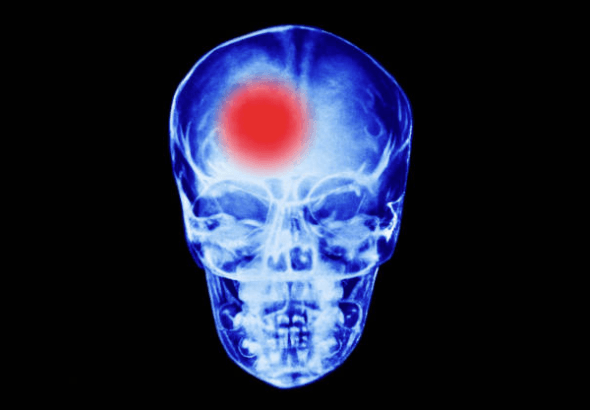

Stroke arrives without warning and leaves the concerned person in a dire state. One moment a person is speaking clearly, and the next, their face has drooped, words have stopped making sense, or one arm will not lift. Families often freeze, unsure whether to wait or act immediately. That hesitation, brief as it may seem, can determine whether a patient regains full function or carries permanent damage.
Brain cells die at a rate of nearly two million per minute during a stroke, and every hour of delay permanently narrows the range of treatment options available. Reaching a brain doctor in Ranchi at the first sign of symptoms connects patients to immediate neurological evaluation, emergency brain imaging, and time-critical treatments that directly prevent long-term disability and functional loss.
What the Brain Loses When No One Acts Fast Enough
The Speed of Cellular Breakdown: The brain is remarkably intolerant of oxygen deprivation. Within minutes of a blocked vessel, neurons in the affected zone begin deteriorating rapidly. Surrounding tissue struggles to compensate, and damage spreads outward steadily. What begins as a localised blockage can expand into a wide region of permanent impairment if blood flow is not restored within the critical window.
The Window That Closes Faster Than Most Expect: Thrombolytic therapy, used to dissolve clots in ischaemic stroke, is only viable within four and a half hours of symptom onset. After this window closes, patients lose access to one of the most effective interventions available. Arriving late at a neurologically equipped hospital does not simply delay treatment. It often removes the possibility of the most impactful treatment entirely.
Late Transfers and the Damage They Leave Behind
Observation Without Action Is Its Own Harm: Keeping a stroke patient under observation without initiating neurological protocols is a pattern that consistently worsens outcomes. In the hours following onset, the brain’s affected zone widens quietly. Speech, memory, and motor control each deteriorate with time, and families often do not realise this is happening because the patient may appear stable from the outside.
Recovery That Starts Late Costs Far More: Neurological rehabilitation after a severe stroke can span months or years, requiring consistent physiotherapy, speech therapy, and cognitive retraining. Many patients who arrive late at a capable facility spend significantly longer recovering, and some never fully regain prior function. The scale of rehabilitation required is directly tied to how many hours passed before proper emergency brain care began.
See also: Transform Your Space with Trendsetting Ideas for a Chic and Cozy Home
Symptoms That Should Never Be Explained Away
Recognising What the Body Is Trying to Signal: Stroke symptoms are often dismissed as tiredness, anxiety, or a passing headache. The problem is that the brain is already in a serious crisis when these signs appear. Recognising which signs demand immediate neurological attention, rather than a wait-and-see approach, is the real difference between a patient who recovers well and one who does not.
Stroke warning signs that require immediate action:
- Sudden weakness or numbness affecting one arm, leg, or side of the face, appearing without any prior warning.
- Loss of the ability to speak clearly, find words, or understand what others are saying during normal conversation.
- A severe, sudden headache with no identifiable cause, often described as the worst headache one has ever experienced.
- Blurred vision, double vision, or a sudden complete loss of balance and spatial coordination.
- Confusion or difficulty following simple commands, often mistaken for exhaustion or disorientation by those nearby.
Why Mini-Strokes Deserve Maximum Urgency: A transient ischaemic attack, often called a mini-stroke, may resolve within minutes and leave the person feeling completely fine. This is precisely where the danger lies. Many people who experience a mini-stroke suffer a major stroke within the following days. Treating these events as emergencies and seeking specialist care immediately is the only reliable way to prevent what follows.
Inside a Neuro Emergency Unit That Means Business
Round-the-Clock Readiness That Does Not Compromise: A functioning neuro emergency unit operates at full capacity through nights, weekends, and public holidays. MRI and CT imaging must be available immediately, not within hours. Specialist brain doctors need to be accessible within minutes, not summoned the following morning. This consistency is what genuinely separates a hospital that manages stroke from one that truly treats it.
Intensive Monitoring After the Emergency Passes: Once a patient is stabilised, ongoing monitoring in a Neuro ICU setting tracks vitals, intracranial pressure, and neurological function continuously. Secondary complications, including seizures, brain swelling, or repeat events, are caught before they escalate. This phase of care is often overlooked when families compare hospitals, yet it plays a direct role in determining how much function a patient recovers.
The Hours You Act On Are the Hours That Heal
A stroke does not wait, and neither should the people around it. The treatment window narrows faster than most families realise, and delayed decisions leave consequences that last a lifetime. If someone nearby shows even one of these signs, act immediately. Reach a specialised neuro emergency facility and ensure a qualified brain specialist begins assessment within the first hour of symptoms appearing.


 By
By