
Turkey sits in a strange position on the map. Two continents converge here and it straddles them. Three empires left their marks on the same streets. And most travelers, the ones who book a quick city tour and a hotel near Sultanahmet, only see a sliver of what the country actually has to offer. Turkey private tours offer an experience like no other. But not because of the vehicle or the guide, which are both significant elements.
Turkey private tours make a difference because someone with intricate knowledge about the alleys can lead you through them. You stop for everything insignificant.
The History You Walk Through Without Realizing It
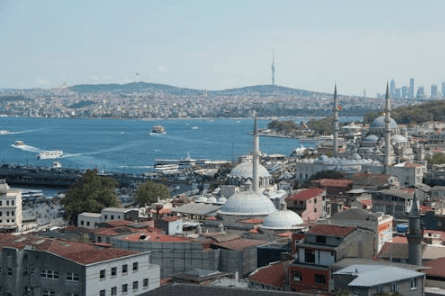
Istanbul has itself served as the capital of no less than three empires, those being the Roman Empire, the Byzantine Empire, and the Ottoman Empire. If one walks through Sultanahmet on an empty morning, one walks across centuries of accumulated stone layers. The famous Hippodrome used to house thousands who would gather for races.
The Hagia Sophia is the obvious stop, and yes, you should see it. Built in 537 AD under Emperor Justinian, it stood as the largest cathedral in the world for nearly a thousand years. Then the Ottomans converted it. Then it became a museum. Now a mosque again. The walls remember every shift.
But here is the part travelers often miss. Just a few minutes from the Hagia Sophia sits the Basilica Cistern, a sixth-century underground water reservoir with 336 columns and two stone Medusa heads at the base. It is dim and cool and quiet. You can spend twenty minutes there or two hours, depending on how much you want to feel the weight of the place.
A private guide will point out the Medusa heads. A group tour will rush you past them.
The Bazaars Are Not What You Think
The Grand Bazaar is one of the oldest covered markets in the world. Construction began in 1455, just two years after Mehmed II took Constantinople. It now has more than 4,000 shops across 61 streets. Most travelers walk in, get overwhelmed, buy a scarf, and leave.
It’s a pity. Transactions aren’t what make the bazaar tick; it’s the connections. If you’ve got an experienced guide, he’ll tell you who really weaves his own kilims and who just sells somebody else’s factory products. He’ll tell you about the man who has sold gold from that counter since the twenties. You come in with your guide, sit down, have some tea, and learn the difference.
The Spice Bazaar, smaller and a bit gentler, opened in 1664. Saffron, sumac, dried figs, and Turkish delight were made the day before. The smells alone are worth the visit, but again, the value is in the people behind the counters. A private guide can introduce you. A cruise excursion will not.
Cappadocia and the Roads That Lead There
Most people fly into Cappadocia, ride a hot air balloon at sunrise, and fly out the next afternoon. There is nothing wrong with that, but you miss the road. The drive from Ankara takes you through farmland, salt lakes, and small towns where the bread is still baked in stone ovens.
Cappadocia itself is a strange and beautiful place. The fairy chimneys, the cone-shaped rock formations, formed over millions of years from volcanic ash. Early Christians carved entire underground cities into the soft stone, some going eight stories deep, to hide from Roman and later Arab raids. Derinkuyu held an estimated 20,000 people.
You can climb down into them. With a private guide, you can also visit the rock-cut churches in the Ihlara Valley, where Byzantine frescoes still cling to the cave walls. Most tour buses skip this part. Too far, too slow, not on the standard loop.
See also: Transform Your Space with Trendsetting Ideas for a Chic and Cozy Home
Ephesus, Pamukkale, and the Aegean You Never Hear About
Ephesus draws the cruise crowd, and for good reason. The Library of Celsus, built in 117 AD, is one of the most photographed Roman ruins anywhere. The Great Theater once seated 25,000. Walking the marble main street, you almost forget what year it is.
But the Aegean coast holds smaller sites that most itineraries ignore. Priene, perched on a hillside, has a council chamber from the fourth century BC and almost no tourists. Sirince, a hill village known for fruit wines and stone houses, sits just twenty minutes from Ephesus.
Pamukkale, the white travertine terraces, looks like something out of a dream. Calcium-rich thermal water has been flowing down the hillside for thousands of years. Cleopatra is said to have bathed in the pools at Hierapolis, the ancient Roman spa city built on top.
Planning Your Trip
Turkey is replete with places to behold, and ten days is barely enough to scratch the surface. A private tour gives you the freedom to slow down where you want and skip what does not interest you.
If you want to start planning, reach out to All Private Tours. Share what you care about, how long you have, and the rest gets handled. The roads most visitors miss are the ones worth taking.


 By
By