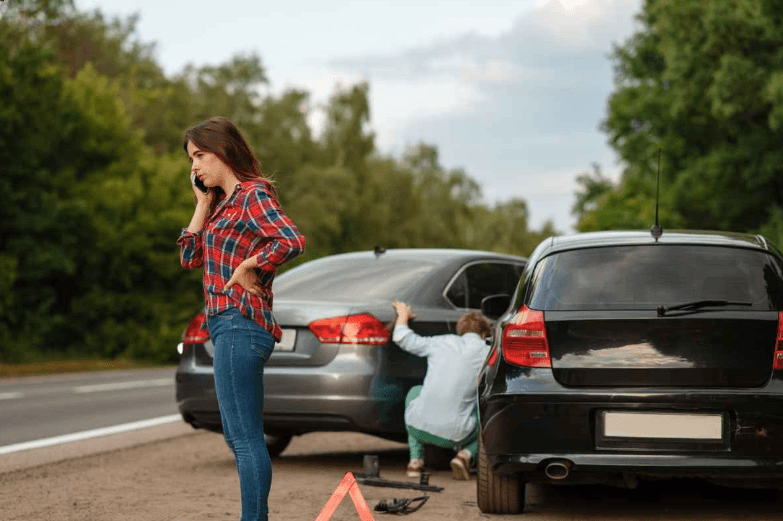

A U-turn is a 180-degree maneuver that sends a driver back the way they came. Most people have made one after missing a turn or trying to save time.
Done correctly, a U-turn should be slow, deliberate, and signaled well in advance. When it isn’t, the results can be catastrophic for everyone nearby.
Illegal or careless U-turns are a common cause of serious collisions. Understanding fault after a U-turn accident can make a real difference in whether an injured person recovers fair compensation.
Are U-Turns Actually Legal?
U-turns are legal in many situations, but the rules are stricter than most drivers assume. Even a technically legal U-turn can lead to a citation if it’s performed carelessly, such as without signaling or at an unsafe speed.
Violations tied to an improperly executed turn can carry fines and points on a driving record. Those citations often become important evidence when sorting out liability after a U-turn accident.
When a U-Turn Is Typically Legal
- Across a double yellow line, in most circumstances
- In a residential area, if no vehicles are approaching within roughly 200 feet
- At an intersection with a green light, unless signage says otherwise
- On a highway, where a designated turn opening is provided
When a U-Turn Is Typically Illegal
- Anywhere posted with a “no U-turn” sign
- At a railroad crossing
- Within a business district
- On a one-way street
- In front of a fire station driveway
- On a divided highway marked with double yellow lines or a raised median
Why U-Turn Accidents Are So Dangerous
A driver making a U-turn is pulling directly into the path of oncoming traffic, often with little time for other drivers to react. That driver must also yield to vehicles turning right, which adds another layer of risk.
Because the turning driver isn’t facing the direction they’re moving into, rear-end collisions are common. A U-turn accident can also involve far more than two vehicles, since the maneuver cuts across multiple lanes of traffic at once.
Drivers aren’t the only ones at risk. Pedestrians and cyclists are frequently caught in the path of a car completing this kind of turn.
Pedestrians Struck During a U-Turn
A pedestrian who has the right-of-way in a crosswalk and is struck by a turning vehicle generally has grounds to file an injury claim. Older adults and children face a higher risk in these situations, which makes driver awareness critical.
Cyclists Struck During a U-Turn
Cyclists have a legal right to share the road, and most areas provide a marked lane for them. A cyclist turning right at an intersection can easily be hit by a driver attempting a U-turn into that same stretch of road.
Sharing the road responsibly matters for everyone’s safety. Anyone hurt in this kind of collision should speak with an experienced car accident attorney about their legal options.
Who Is Liable for a U-Turn Accident?
When a driver makes an illegal U-turn and causes a crash, that driver can typically be held liable for the resulting damages. To recover compensation, an injured person generally needs to show that the turn itself violated the law.
This is where the concept of negligence per se comes in. Proving that a driver broke a specific traffic law is often more straightforward than proving ordinary negligence, since the violation itself establishes a legal breach.
That said, liability isn’t limited to illegal turns alone. A driver who was intoxicated, distracted, or ran a red light while turning can still be held responsible, even if the U-turn itself was technically permitted.
Every U-turn, legal or not, calls for full caution from the driver making it. A thorough investigation is often needed to determine exactly what happened and who should be held accountable.
What to Do After a U-Turn Accident
Getting prompt medical attention should always come first, even if injuries seem minor at the outset. Adrenaline can mask pain that surfaces hours or days later.
If it’s safe to do so, take photos of the intersection, the vehicles involved, and any visible damage. This kind of documentation can be difficult to recreate later and often proves valuable during a claim.
Common Injuries in These Collisions
U-turn accidents can result in head-on impacts, T-bone collisions, or rear-end crashes, depending on how the vehicles come together. Common injuries include spinal damage, head trauma, broken bones, and internal organ injuries.
Because these injuries can be severe and long-lasting, prompt legal guidance matters just as much as prompt medical care.
See also: Orlando Business Law Attorney: Legal Guidance for Growing Businesses in Central Florida
How an Experienced Attorney Can Help
Sorting out fault after a U-turn accident often means analyzing traffic laws, gathering witness statements, and reviewing physical evidence from the scene. An experienced personal injury attorney knows how to build that case and knows what insurance companies look for when trying to minimize a payout.
A local law firm can also identify every liable party, not just the obvious one, which matters when multiple factors contributed to the crash. This can include a distracted driver, a speeding driver, or another motorist who failed to yield.
Handling a claim alone often means going up against an insurance adjuster whose job is to limit what gets paid out. Having a dedicated legal advocate, specializing in that practice field, levels the playing field and helps ensure injuries, lost wages, and other damages are fully accounted for.
Anyone injured in a U-turn accident deserves a clear explanation of their legal options and a strong advocate fighting for fair compensation on their behalf.

 By
By