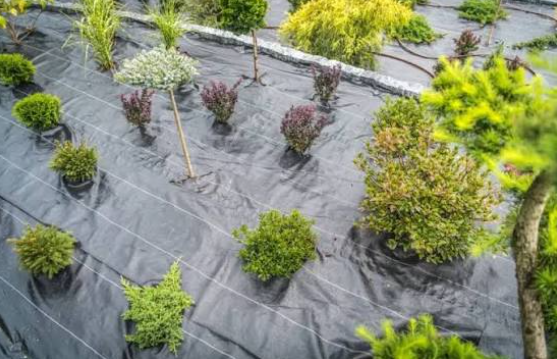

Homeowners and landscaping professionals alike have increasingly turned to geotextile landscape fabric as a foundational tool for creating low-maintenance, long-lasting outdoor spaces, understanding that what lies beneath decorative mulch or gravel matters just as much as the visible surface layer above it.
What This Material Actually Does
At its core, geotextile landscape fabric creates a permeable barrier between soil and whatever surface material sits above it, allowing water and air to pass through while blocking weed growth and preventing decorative materials like gravel or mulch from gradually working their way down into the underlying soil over time.
See also: Whole Life vs. Term Life Insurance: Which Is Right for You in Hong Kong?
Why Permeability Matters So Much
A common misconception treats any barrier material as equally effective, but genuine landscape fabric needs to allow water infiltration and soil aeration to maintain healthy conditions for any desired plants while still blocking unwanted weed growth, a balance that distinguishes purpose-built geotextile products from simple plastic sheeting alternatives.
Woven Versus Non-Woven Construction
Landscape fabric generally comes in woven or non-woven varieties, each offering different characteristics in terms of durability, water flow rate, and weed-blocking effectiveness. Understanding which construction type suits a specific project’s conditions and expected use helps ensure appropriate material selection.
Common Applications Beyond Basic Weed Control
While weed suppression represents the most commonly discussed application, geotextile landscape fabric also plays a role in erosion control on sloped garden areas, moisture retention for certain plantings, and creating stable separation layers beneath pathways or decorative hardscaping elements.
Homeowners and professionals researching this material can find detailed specifications and application guidance through this resource on Geotextile Landscape Fabric for landscaping projects.
Proper Installation for Long-Term Effectiveness
Simply laying fabric down isn’t sufficient for lasting results. Proper installation involves adequate ground preparation, appropriate overlap between fabric sections, and secure anchoring to prevent shifting that could create gaps allowing weeds to eventually penetrate through unprotected seams.
Longevity and Material Quality Considerations
Not all landscape fabric offers comparable longevity, with quality varying considerably based on material thickness and UV resistance, factors that directly affect how long the fabric continues performing effectively before degradation allows weeds to break through or the material itself begins deteriorating.
Final Thoughts
Geotextile landscape fabric offers a genuinely practical foundation for creating lower-maintenance outdoor spaces, provided the right material type and proper installation technique are matched to a project’s specific conditions and long-term expectations.
Frequently Asked Questions
Does landscape fabric completely eliminate the need for any weeding?
It significantly reduces weed growth but rarely eliminates it entirely, since some weeds can still establish in accumulated debris on top of the fabric over time.
How long does quality landscape fabric typically last?
This varies by material quality and installation conditions, but well-installed, quality fabric can often perform effectively for many years before needing replacement.
Is woven or non-woven fabric better for most landscaping applications?
This depends on specific project needs, with each construction type offering different tradeoffs between durability, water flow, and weed-blocking performance.


 By
By